
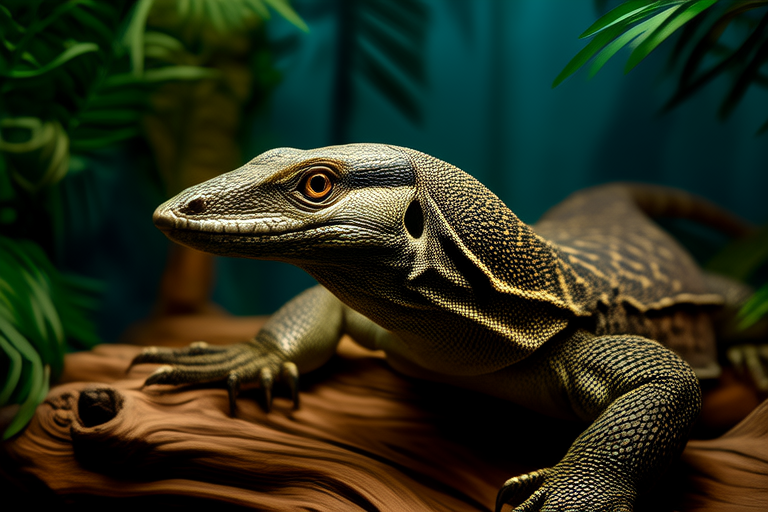
The Ultimate Guide to Caring for Your Water Monitor at Home
Water monitors (Varanus salvator) are fascinating, intelligent reptiles that can make rewarding pets for experienced herpetoculturists. However, their large size, specific care requirements, and potential for aggressive behavior make them unsuitable for novice keepers. This guide aims to provide you with all the necessary information to ensure your water monitor thrives in captivity.
Habitat Setup
A properly set up habitat is crucial for the health and happiness of your water monitor. Water monitors are semi-aquatic, meaning they spend time both in and out of water. They require a spacious enclosure that mimics their natural environment as closely as possible.
Tank Size
Water monitors grow rapidly and can reach lengths of over 6 feet. A young water monitor should be housed in a minimum of a 4x2x2 foot (120x60x60 cm) tank. As they grow, this space must increase significantly. An adult water monitor will need a custom-built enclosure or a very large commercial enclosure.
Substrate
The substrate, or bedding material, should be non-toxic and easily cleaned. Many owners prefer reptile-safe wood chips or coconut fiber, which holds moisture well and provides some cushioning. Avoid substrates that could cause impaction if ingested, such as sand or small gravel.
Enrichment Activities
Water monitors are highly intelligent and benefit from mental stimulation. Provide various climbing structures like branches, logs, and rocks. Additionally, include water areas where the monitor can swim and bask. Floating platforms and ramps can also be added to enhance their environment.
Lighting
Proper lighting is essential for your water monitor’s health. Use UVB-emitting bulbs to simulate natural sunlight, which aids in calcium absorption and overall well-being. Ensure the bulb covers at least 75% of the enclosure and replace it every six months. Supplemental heat lamps are necessary to maintain the appropriate temperature gradient.
Temperature and Humidity Requirements
Maintaining the correct temperature and humidity levels is vital for your water monitor’s health. The enclosure should have a thermal gradient, with a basking spot reaching 95-100°F (35-38°C) and cooler areas around 80-85°F (27-29°C). Nighttime temperatures can drop slightly but should not fall below 75°F (24°C).
Humidity should be kept between 60-80%. This can be achieved through misting, humidifiers, and ensuring there is a large enough water area within the enclosure. Regularly check humidity levels with a hygrometer to avoid respiratory issues.
Feeding Guidelines
Water monitors are carnivorous and require a varied diet to thrive. Their diet should consist primarily of rodents, insects, and fish. Younger monitors can eat smaller prey items like crickets, mealworms, and pinky mice. As they age, larger prey like adult mice, rats, and chicks can be introduced.
Feed your water monitor 2-3 times a week, adjusting the frequency based on its activity level and body condition. It is important to gut-load feeder insects with nutritious food before offering them to your monitor. Always supervise feeding sessions to prevent injury to either the monitor or the feeder animal.
Health Care Tips
Regular veterinary check-ups are crucial for the long-term health of your water monitor. Look for signs of illness such as lethargy, loss of appetite, or changes in feces. Common health issues include metabolic bone disease due to improper calcium intake, parasites, and respiratory infections.
To help prevent these issues, ensure a balanced diet rich in calcium and vitamin D3, maintain optimal temperature and humidity levels, and perform regular hygiene checks. Quarantine any new additions to your collection for at least 30 days before introducing them to your existing animals.
Social Behavior
Water monitors are solitary creatures by nature and do not typically tolerate the presence of other monitors or even members of their own species. Housing multiple monitors together can lead to stress, fighting, and injuries. Therefore, it is best to keep only one water monitor per enclosure unless you have extensive experience managing multiple reptiles.
While they are solitary, water monitors can become quite affectionate with their human caretakers. They may enjoy being handled and can recognize their keepers. However, always approach them with caution and respect their personal space.
Common Challenges of Owning a Water Monitor
Owning a water monitor comes with several challenges. One of the most significant is providing adequate space. These animals require a much larger living area than many other reptiles. Another challenge is maintaining the right environmental conditions, which can be difficult to achieve consistently.
Additionally, water monitors can be quite strong and powerful, potentially causing damage to their enclosures. Ensure that any materials used in the enclosure are sturdy and secure. Lastly, these animals have a long lifespan, often exceeding 15 years. Be prepared for a long-term commitment.
In conclusion, while caring for a water monitor requires dedication and resources, the rewards are immense. With the right setup, diet, and care, you can provide a wonderful home for your water monitor and enjoy a unique bond with this remarkable reptile.