
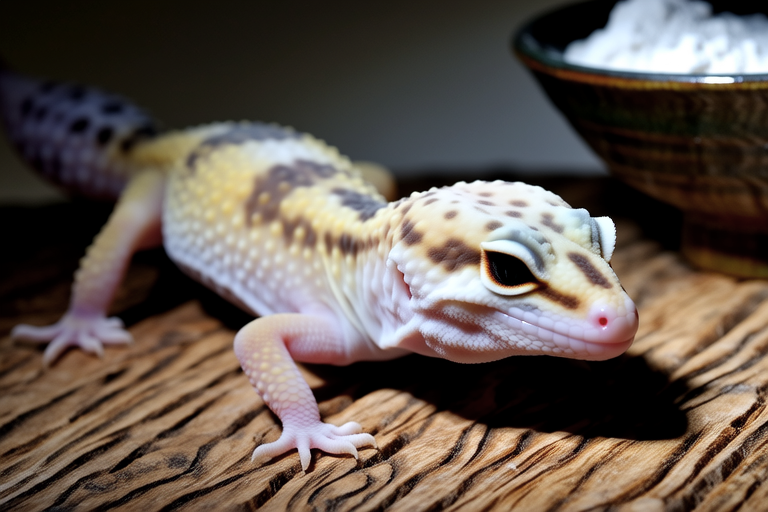
Leopard Gecko Care Made Easy: Tips and Tricks for Happy, Healthy Reptiles
Welcome to the wonderful world of leopard geckos! These charming little creatures are beloved by reptile enthusiasts for their unique appearance, gentle demeanor, and relatively low maintenance. Whether you’re a first-time pet owner or an experienced herpetologist, this guide will help you provide the best possible care for your new friend. Let’s dive into the essentials of leopard gecko care, ensuring a stress-free environment that promotes optimal health.
Habitat Setup
Creating the perfect home for your leopard gecko is crucial for their happiness and well-being. Start by choosing a spacious terrarium, at least 10 gallons for one gecko, and 20 gallons for two. A larger enclosure allows your gecko more room to explore and exercise. Line the bottom with a substrate that is safe for digging and burrowing. Reptile carpet or paper towels are excellent choices as they are easy to clean and pose no risk of impaction. Avoid substrates like sand or gravel, which can lead to digestive problems if ingested.
Provide a variety of hiding spots within the enclosure. Leopard geckos love to hide and feel secure. Use caves, half logs, or even simple cardboard boxes. Ensure that there is enough space for your gecko to move comfortably between hiding spots. Additionally, include a shallow water dish for drinking and soaking. Change the water daily to keep it fresh and clean.
Temperature and lighting are also vital components of your gecko’s habitat. Leopard geckos require a temperature gradient within their enclosure, ranging from 78°F to 90°F (26°C to 32°C). Place a heat mat or under-tank heater on one side of the tank to create a warm area. The cooler side should be around 78°F (26°C) to allow your gecko to thermoregulate. Avoid using heat lamps, as they can dry out the air and cause burns. A UVB light is not necessary for leopard geckos, as they are nocturnal and obtain all their vitamin D through their diet.
Temperature and Humidity Requirements
Maintaining the correct temperature is critical for your leopard gecko’s health. As mentioned earlier, the temperature gradient ensures that your gecko can regulate its body temperature. The warm end of the tank should be around 90°F (32°C), while the cool end should be around 78°F (26°C). Use a thermometer to monitor the temperature regularly and adjust heating elements as needed.
Humidity levels should be kept low, around 30-40%. Leopard geckos come from arid environments and are prone to respiratory infections if the humidity is too high. To maintain proper humidity, avoid misting the enclosure and ensure good ventilation. If you notice condensation forming on the glass, reduce the amount of water in the water dish and increase airflow.
Feeding Guidelines
Feeding your leopard gecko a balanced diet is essential for their growth and overall health. In the wild, leopard geckos primarily eat insects, so live food is the best option for your pet. Crickets, dubia roaches, and waxworms are popular choices. Offer food items that are appropriately sized; generally, the length of the prey should not exceed the width of your gecko’s head.
Dust the insects with a calcium supplement before feeding them to your gecko. This is especially important for young, growing geckos and females who may be producing eggs. Vitamin D3 supplements are also beneficial, but use them sparingly, as excess can lead to toxicity. Feed adult geckos every other day, and juveniles daily, adjusting portions based on their appetite and size.
Ensure that your gecko has access to fresh water at all times. Clean the water dish daily to prevent bacterial growth. Some geckos may not drink from standing water, so providing a shallow water dish or a humid hide might encourage hydration.
Handling Tips
Handling your leopard gecko should always be done gently and carefully. Leopard geckos have sensitive skin, and rough handling can cause stress or injury. Always support the gecko’s entire body when holding them, avoiding lifting them by the tail. Leopard geckos can drop their tails as a defense mechanism, although it will eventually grow back. However, regrowth can take several months and may not look exactly like the original.
Begin handling sessions slowly, allowing your gecko to get used to your touch. Start by placing your hand in the enclosure and letting the gecko approach you. Gradually increase the duration and frequency of handling sessions as your gecko becomes more comfortable. Remember, each gecko is different, so pay attention to your pet’s behavior and adjust your handling accordingly.
Health Indicators and Common Issues
Observing your leopard gecko’s behavior and physical condition can help you identify potential health issues early. Regularly check for signs of illness such as lethargy, loss of appetite, weight loss, or abnormal stool. If you notice any concerning symptoms, consult a veterinarian specializing in reptiles immediately.
One common issue among leopard geckos is metabolic bone disease (MBD), caused by a lack of calcium or vitamin D3. Symptoms include swollen limbs, softening of the jaw, and difficulty moving. Prevent MBD by providing a balanced diet rich in calcium and vitamin D3. Another frequent problem is impaction, often resulting from ingesting inappropriate substrates. Signs of impaction include bloating, constipation, and loss of appetite. Always use safe substrates and monitor your gecko’s eating habits closely.
Respiratory infections can occur if the humidity is too high or if the gecko is exposed to cold temperatures. Look for signs such as wheezing, nasal discharge, or labored breathing. Maintain appropriate temperature and humidity levels to prevent respiratory infections. Parasites are another concern, especially if your gecko has been exposed to contaminated environments. Regular veterinary check-ups can help detect and treat parasites before they become a serious issue.
Maintaining a Stress-Free Environment
Creating a calm and peaceful environment for your leopard gecko is essential for their well-being. Keep the enclosure in a quiet area of your home, away from direct sunlight and drafts. Limit disturbances during feeding and sleeping times, as leopard geckos need uninterrupted rest to stay healthy. Establish a routine for feeding, cleaning, and handling to provide consistency and security for your pet.
Providing environmental enrichment can also contribute to your gecko’s mental and physical health. Introduce novel objects, such as small toys or tunnels, periodically to stimulate curiosity and exploration. Rotate these items to keep the environment interesting without overwhelming your gecko. Regular interaction and gentle handling can strengthen the bond between you and your pet, fostering a joyful experience for both of you.
Conclusion
Caring for a leopard gecko is a rewarding experience that requires attention to detail and a commitment to their well-being. By following these tips and tricks, you can create a stress-free environment that promotes optimal health and happiness for your pet. Remember to provide a spacious, properly heated enclosure with hiding spots, maintain appropriate temperature and humidity levels, offer a balanced diet, handle your gecko gently, and watch for signs of illness. With proper care, your leopard gecko will thrive and bring years of joy to your life.