
Leopard Geckos: Unique Pets with Endearing Traits
Leopard geckos have gained immense popularity among pet enthusiasts due to their distinctive appearance, docile temperament, and ease of care. These charming reptiles are known for their unique physical characteristics, which set them apart from other pets. Their distinctive spots and color patterns contribute to their allure, while their nocturnal habits, tail autonomy, and feeding preferences add to their mystique. This article delves into the fascinating world of leopard geckos, highlighting their unique traits, care requirements, and the emotional bond one can form with these delightful creatures.
Aesthetic Appeal: Distinctive Spots and Color Patterns
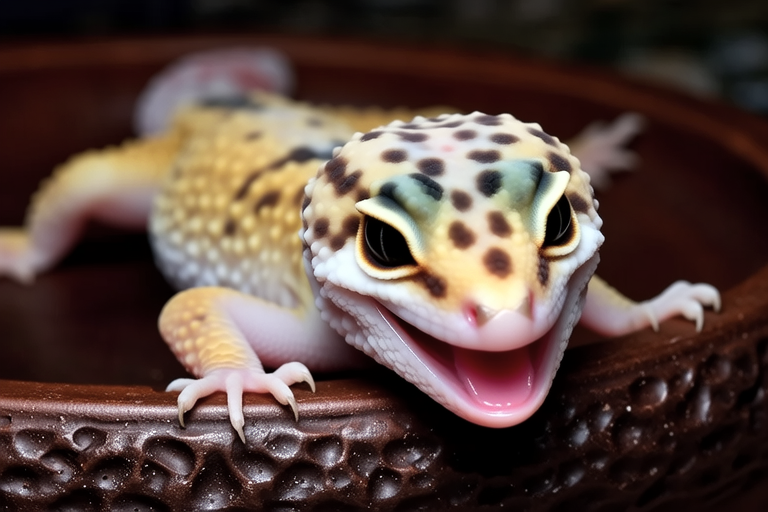
One of the most striking features of leopard geckos is their appearance. They come in a variety of colors and patterns, ranging from the classic yellow and black to more exotic shades like red, albino, and patternless morphs. The leopard gecko’s skin is covered in small, irregularly shaped spots, which resemble those of a leopard, hence their name. These spots can vary in size, shape, and distribution, making each gecko unique. Some geckos even display vibrant coloration, such as bright orange or white, adding to their aesthetic appeal.
Their distinctive appearance makes them stand out from other pets, and their unique color patterns have earned them a special place in the hearts of reptile enthusiasts. Leopard geckos are often referred to as “alien-like” due to their unusual looks, which can be captivating and intriguing. Their appearance contributes significantly to their charm, making them popular choices for both children and adults who appreciate their distinctiveness.
Docile Nature and Ease of Care
Leopard geckos are known for their gentle demeanor, making them ideal pets for first-time reptile owners. Unlike some other lizards, leopard geckos are generally calm and docile, rarely displaying aggressive behavior. They are easy to handle, provided proper care and respect are given. Their docility allows owners to interact with them without fear of bites or scratches, fostering a strong emotional bond between the pet and its owner.
Caring for a leopard gecko is relatively straightforward compared to other pets. They require minimal space, and their dietary needs are simple. Leopard geckos are insectivores, primarily feeding on crickets, mealworms, and waxworms. Providing a balanced diet is essential for their health and well-being. Additionally, maintaining the appropriate temperature and humidity levels within their enclosure is crucial for their survival. A well-maintained habitat ensures that your leopard gecko thrives in a domestic setting.
Nocturnal Habits
Leopard geckos are nocturnal creatures, meaning they are most active during the night. Their natural habitat consists of rocky deserts and scrublands, where they spend their days hiding from predators and basking in the sun. At night, they emerge to hunt for food and explore their surroundings. Their nocturnal habits make them fascinating pets to observe, as they become more active when their human companions are likely to be awake.
To accommodate their nocturnal lifestyle, it is important to provide a suitable environment that mimics their natural habitat. A dark, quiet area with ample hiding spots is essential for their comfort and well-being. Ensuring that your gecko has access to a warm basking spot and a cool retreat will help regulate their body temperature, promoting healthy activity during their waking hours.
Tail Autonomy
One of the most remarkable features of leopard geckos is their ability to detach their tails in times of danger. This phenomenon, known as caudal autotomy, allows them to escape predators by leaving behind their tail, which continues to wiggle and distract the attacker while the gecko makes its getaway. While losing a tail can be distressing for the gecko, it typically regenerates over time. However, the regenerated tail may not match the original in length or appearance.
This unique adaptation highlights the resilience and survival instincts of leopard geckos. It serves as a reminder of the importance of providing a safe and secure environment for your pet, minimizing the risk of injury or stress. By understanding and respecting their natural behaviors, you can help ensure the well-being of your leopard gecko.
Feeding Preferences
Leopard geckos are insectivores, meaning their diet consists primarily of insects. Crickets, mealworms, and waxworms are common staples in their diet. It is essential to offer a varied diet to ensure they receive all the necessary nutrients. In addition to live prey, calcium and vitamin supplements should be dusted onto their food to prevent deficiencies. Feeding your leopard gecko appropriately is crucial for their overall health and longevity.
Proper hydration is also vital for your gecko’s well-being. While they obtain much of their moisture from their food, it is recommended to provide a shallow water dish in their enclosure. Regular misting can further aid in maintaining humidity levels, ensuring your gecko stays hydrated and comfortable.
Emotional Bond and Quirky Behaviors
Forming an emotional bond with a leopard gecko is possible through consistent interaction and care. These creatures can become accustomed to their owners’ presence, recognizing them as a source of safety and comfort. Owners often report feeling a sense of connection with their geckos, appreciating their quirky behaviors and unique personalities.
Leopard geckos exhibit various endearing behaviors that can bring joy and fascination to their owners. For example, they may engage in “arm waving,” a behavior where they lift one front leg and wave it back and forth. This gesture is thought to be a sign of submission or a way to attract potential mates. Observing such behaviors can deepen the bond between pet and owner, fostering a sense of companionship and mutual understanding.
Creating an Optimal Habitat
To ensure your leopard gecko thrives in a domestic setting, it is essential to create an optimal habitat that meets their specific needs. A spacious terrarium with proper ventilation is crucial for their well-being. The enclosure should be large enough to allow your gecko to move around freely and explore its surroundings. A substrate that is safe and easy to clean, such as reptile carpet or paper towels, is recommended to prevent impaction and maintain hygiene.
In addition to providing adequate space, it is important to offer a variety of hiding spots and climbing structures. These elements not only enrich their environment but also promote natural behaviors. A warm basking spot and a cool retreat should be included to facilitate thermoregulation. Maintaining the appropriate temperature and humidity levels is essential for your gecko’s health and well-being.
Conclusion
Leopard geckos are unique pets that offer a combination of charm, docility, and ease of care. Their distinctive appearance, nocturnal habits, tail autonomy, and feeding preferences make them stand out from other pets. Forming an emotional bond with a leopard gecko is possible through consistent interaction and care, and observing their quirky behaviors can bring joy and fascination to their owners. By creating an optimal habitat and providing proper care, you can ensure that your leopard gecko thrives in a domestic setting. Whether you are a child or an adult, these adorable and somewhat alien-like creatures are sure to captivate your heart and imagination.