
The Three-Striped Box Turtle: An In-Depth Exploration
The three-striped box turtle (Trachemys scripta triseriata) is a captivating species that has long fascinated reptile enthusiasts and nature lovers alike. This article delves into the unique characteristics, habitat, diet, and behaviors of this remarkable creature, providing an engaging and educational overview suitable for readers of all ages.
Physical Attributes
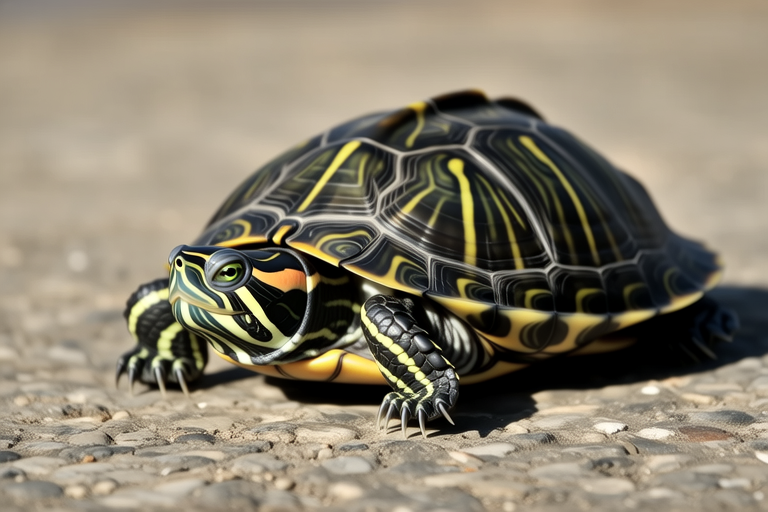
The three-striped box turtle derives its name from the three distinctive yellow stripes that run along each side of its head. These stripes serve as a striking visual marker, contrasting against the dark brown or black shell and skin. The carapace, or upper shell, is domed and typically ranges from 4 to 6 inches in length. The plastron, or lower shell, features a hinge that allows the turtle to close itself completely inside its protective shell when threatened. This adaptation is one of the key reasons why the species is called a “box” turtle.
Aside from the prominent stripes, the three-striped box turtle also exhibits other notable physical features. Its legs are strong and sturdy, enabling it to dig burrows and navigate various terrains. Additionally, the turtle’s eyes are large and expressive, contributing to its appealing appearance. Overall, the combination of its vibrant markings and robust build makes the three-striped box turtle a visually striking reptile.
Habitat and Distribution
Native to North America, the three-striped box turtle thrives in a variety of environments, including woodlands, grasslands, and wetlands. It is primarily found in the eastern United States, extending from southern Maine to Florida and westward to Michigan and Texas. Within these regions, the turtle prefers habitats characterized by moist soil, abundant vegetation, and proximity to water sources such as streams, ponds, and marshes.
The species exhibits adaptability, allowing it to thrive in diverse ecosystems. However, its preference for specific environmental conditions underscores the importance of maintaining suitable habitats for its survival. Conservation efforts focus on preserving natural landscapes and ensuring the availability of essential resources for the three-striped box turtle.
Diet and Behavior
As an omnivore, the three-striped box turtle enjoys a varied diet that includes both plant matter and animal protein. Its menu consists of fruits, vegetables, flowers, insects, worms, and occasionally small amphibians or fish. Juvenile turtles tend to consume more protein-rich foods, while adults favor a higher proportion of plant-based items. This dietary flexibility contributes to the species’ resilience and adaptability in different habitats.
The three-striped box turtle is known for its slow and deliberate movements, reflecting its generally calm demeanor. It spends much of its time basking in the sun, which is crucial for regulating body temperature and synthesizing vitamin D. During colder months, the turtle enters a state of dormancy, retreating into underground burrows or seeking shelter under logs or rocks. This behavior, known as brumation, helps the turtle conserve energy during periods of inactivity.
Place in the Ecosystem
The three-striped box turtle plays a vital role in its ecosystem, serving as both predator and prey. By consuming a wide range of plant and animal matter, it aids in nutrient cycling and contributes to the overall balance of its habitat. Additionally, the turtle’s presence can influence the distribution and abundance of certain species within its environment. For instance, its predation on insects may help control pest populations, while its consumption of fruits and seeds assists in seed dispersal.
The three-striped box turtle also serves as a food source for various predators, including raccoons, foxes, and birds of prey. This dynamic relationship highlights the interconnectedness of ecosystems and underscores the importance of protecting keystone species like the three-striped box turtle.
Conservation Status and Threats
The International Union for Conservation of Nature (IUCN) currently lists the three-striped box turtle as “Near Threatened.” Several factors contribute to its vulnerable status, including habitat loss, fragmentation, and degradation. Urbanization, agricultural expansion, and infrastructure development have encroached upon many of the turtle’s natural habitats, reducing the availability of suitable living spaces and increasing the risk of human-turtle conflicts.
Other significant threats include road mortality, illegal collection for the pet trade, and climate change. Roadways pose a particular danger, as turtles frequently attempt to cross roads during their seasonal migrations or in search of mates. Climate change further exacerbates these challenges by altering weather patterns and disrupting the delicate balance of ecosystems.
Tips for Adopting a Three-Striped Box Turtle
For those considering adopting a three-striped box turtle as a pet, several important factors must be considered to ensure the well-being of both the turtle and its owner. First and foremost, it is crucial to research local laws and regulations governing the ownership of exotic pets. Some areas may have restrictions or require permits, so compliance with legal requirements is paramount.
Proper housing is another critical aspect of turtle care. A spacious enclosure that mimics the turtle’s natural habitat is ideal. The enclosure should provide ample space for swimming, basking, and exploring. Water should be clean and shallow enough for the turtle to easily exit if needed. Additionally, the enclosure should include hiding spots, such as caves or plants, to allow the turtle to feel secure.
Dietary needs must also be carefully managed. A balanced diet rich in nutrients is essential for the turtle’s health. Owners should offer a mix of fruits, vegetables, and protein sources, ensuring variety and nutritional completeness. Regular veterinary check-ups are recommended to monitor the turtle’s health and address any potential issues promptly.
Interesting Facts and Myths
The three-striped box turtle has inspired numerous myths and misconceptions throughout history. One popular myth suggests that touching a turtle’s shell will cause it to stop growing. In reality, the growth rate of a turtle is determined by genetics and environmental factors, not external touch. Another misconception is that turtles can survive indefinitely without food. While they can go for extended periods without eating, proper nutrition remains crucial for their health and longevity.
One fascinating fact about the three-striped box turtle is its ability to live for several decades, sometimes exceeding 30 years in captivity. This longevity underscores the commitment required for turtle ownership and highlights the importance of providing a stable and enriching environment throughout the turtle’s life.
Conclusion
The three-striped box turtle is a remarkable species with unique characteristics, behaviors, and ecological significance. Its striking appearance, adaptability, and role in its ecosystem make it a captivating subject for study and admiration. As we continue to face environmental challenges, understanding and conserving this species becomes increasingly important. By learning about the three-striped box turtle and taking steps to protect its habitat, we can contribute to its survival and ensure that future generations can appreciate this incredible reptile.