
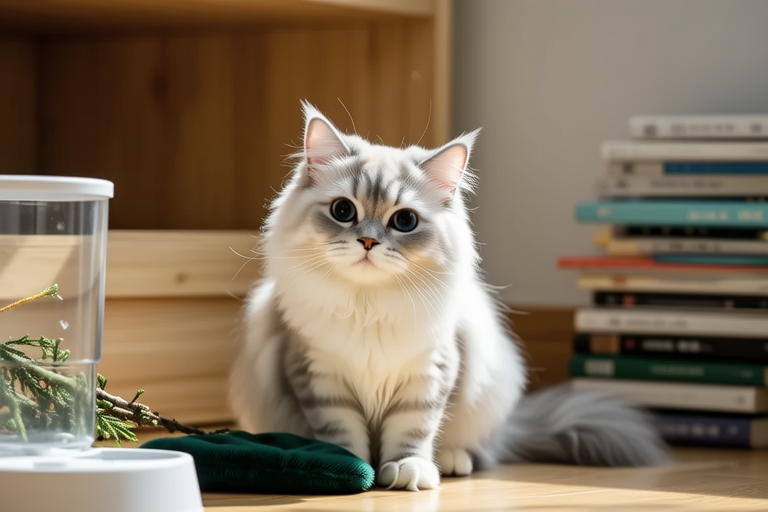
Beyond Cute: The Unique Needs and Behaviors of Pet Chinchillas
Chinchillas are often seen as adorable, fluffy pets that capture hearts with their oversized ears and soft fur. However, these animals are much more than just cute companions; they have unique needs and behaviors that stem from their origins in the rugged Andean mountains. Understanding these aspects is crucial for anyone considering adopting a chinchilla as a pet.
Origins and Physical Characteristics
Native to the high Andes of South America, chinchillas live at elevations above 3,000 meters. Their natural habitat is characterized by cold, dry climates, which has shaped their distinctive physical traits. One of the most notable features is their incredibly dense fur, which consists of up to 60 hairs per follicle, making it among the thickest in the animal kingdom. This luxurious coat serves as insulation against the harsh mountain conditions. Another striking feature is their large, rounded ears, which help them detect predators and regulate body temperature.
Dietary Needs
Proper nutrition is essential for maintaining the health of your chinchilla. A balanced diet primarily consists of high-quality timothy hay, which should always be available. This hay aids digestion and keeps teeth worn down, preventing overgrowth. Pellets designed specifically for chinchillas should also be provided in limited quantities, as they can become overweight if fed too many pellets. Fresh, clean water is vital, and it’s best to offer it in a sipper bottle to prevent contamination.
Housing Requirements
Adequate housing is critical for the well-being of your chinchilla. A spacious cage is necessary, providing enough room for the chinchilla to move around and exercise. Multi-level cages are ideal as they allow the chinchilla to explore different heights. Additionally, the cage must be escape-proof and secure, as chinchillas are excellent climbers and jumpers. One of the most important aspects of chinchilla care is the provision of dust baths. These baths are essential for grooming their dense fur, helping to remove oils and debris without the risk of over-bathing, which can strip away natural oils.
Behavioral Traits
Chinchillas are nocturnal creatures, meaning they are most active during the night. They are naturally social animals, often living in colonies in the wild, and they thrive on interaction with humans or other chinchillas. However, they can be shy and may take time to become comfortable with new environments or people. Patience and gentle handling are key when building trust with your chinchilla.
Handling and Interaction Tips
When handling your chinchilla, it’s important to support its entire body, as they are delicate and can easily injure themselves if dropped. Use a towel or a small blanket to gently wrap them, which can make them feel more secure. Always handle them with care and avoid sudden movements. Chinchillas enjoy playing and exploring, so providing safe toys and tunnels can enhance their environment and mental stimulation.
Maintaining Health and Happiness
To keep your chinchilla healthy and happy, regular veterinary check-ups are essential. Look for signs of illness, such as changes in eating habits, unusual droppings, or lethargy. Dental health is particularly important, as chinchillas’ teeth continuously grow. Providing appropriate chew toys can help keep their teeth in check. Socialization is also crucial; spending quality time with your chinchilla daily will strengthen your bond and ensure they remain content.
In conclusion, while chinchillas may appear to be simple, cute pets, they require thoughtful care and attention. Their unique origins, physical characteristics, dietary needs, and behavioral traits all contribute to their distinctiveness as pets. Adopting a chinchilla is a significant commitment, but with proper knowledge and dedication, you can provide a loving home for these charming animals.