
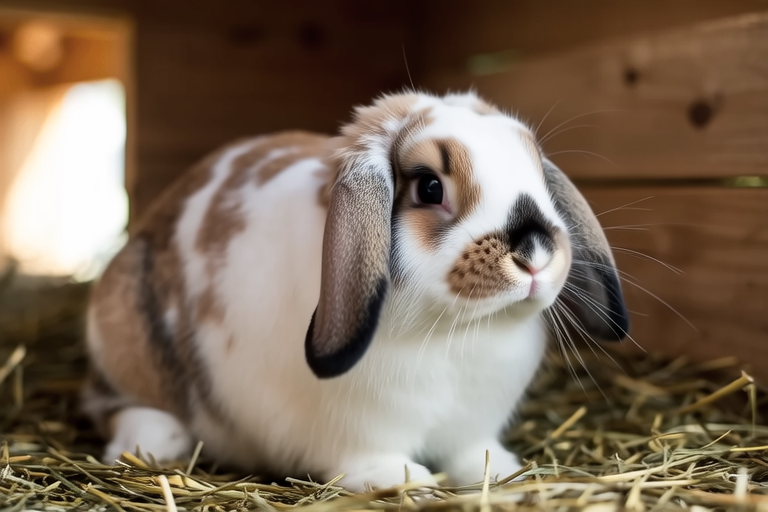
Top 10 Fun Facts About the Tiny but Tame Dutch Dwarf Rabbit
The Dutch Dwarf Rabbit, with its diminutive size and charming personality, has captured the hearts of many rabbit lovers around the world. This article delves into ten fascinating aspects of these delightful creatures, from their origins to their unique characteristics, providing you with a comprehensive understanding of what makes them such wonderful companions.
1. The Miniature Marvel: Size and Proportions
Standing at only 8-10 inches tall and weighing between 2-4 pounds, the Dutch Dwarf Rabbit is one of the smallest domesticated rabbit breeds. Their compact size makes them ideal for small living spaces, and their proportions are perfectly balanced, giving them a cute, rounded appearance. These rabbits are often compared to toys due to their petite stature, making them popular choices for families and apartment dwellers alike. Their size also contributes to their manageable dietary needs, which we will explore further in this article.
2. A Gentle Giant in Miniature Form: Temperament
Beyond their physical attributes, Dutch Dwarfs are renowned for their friendly and docile nature. They are known to be very social animals, often bonding closely with their human caretakers. Unlike some larger rabbit breeds that might be more aloof or skittish, Dutch Dwarfs tend to enjoy human interaction and can even become lap bunnies when properly socialized. Their calm demeanor makes them particularly appealing to children and first-time rabbit owners. However, like all pets, they require consistent handling and positive reinforcement training to maintain a gentle and trusting relationship.
3. Origins and Evolution: From Wild to Domestic
The history of the Dutch Dwarf Rabbit traces back to the early 20th century in the Netherlands, where breeders sought to create a smaller version of the Dutch Rabbit, a breed already recognized for its striking color patterns. By selectively breeding smaller individuals, they eventually developed the Dutch Dwarf, preserving the signature white blaze on the face and the distinctive colored patches on the body. Today, these rabbits are widely appreciated for both their aesthetic appeal and their suitability as companion animals. Their popularity has spread globally, with enthusiasts participating in shows and competitions to showcase the best examples of the breed.
4. Distinctive Markings: Nature’s Artwork
One of the most captivating features of the Dutch Dwarf Rabbit is its coat pattern. Typically, they have a white blaze that runs from the nose down to the chin, along with white feet and a white tail. The rest of their body is adorned with patches of color, usually black, chocolate, blue, or fawn. This unique combination of colors creates a striking visual effect that has earned them the nickname “Dutch.” The distinctiveness of their markings not only sets them apart visually but also serves as a key characteristic in breed standards for competitions and exhibitions.
5. Dietary Needs: What Do They Eat?
Dutch Dwarf Rabbits have specific dietary requirements to maintain their health and well-being. A balanced diet primarily consists of high-quality hay, fresh vegetables, and a limited amount of pellets. Alfalfa hay should be avoided as it is too rich in calcium and protein for adult rabbits, potentially leading to obesity or urinary tract issues. Instead, offering timothy hay is recommended. Fresh vegetables such as leafy greens (like romaine lettuce), carrots, and bell peppers provide essential vitamins and minerals. It’s important to introduce new foods gradually to prevent digestive upset. Always consult with a veterinarian or a professional breeder for tailored advice based on your rabbit’s age and health status.
6. Exercise Requirements: Keeping Them Active
Despite their small size, Dutch Dwarf Rabbits need ample space to move around and exercise. Providing them with a large enclosure or play area allows them to hop, stretch, and engage in natural behaviors. Daily out-of-cage time is crucial for their physical and mental stimulation. Interactive toys and tunnels can enhance their playtime, encouraging exploration and curiosity. Ensuring they get enough exercise helps prevent obesity and promotes overall good health. Regular exercise also aids in maintaining muscle tone and flexibility, contributing to a longer, healthier life for your furry friend.
7. Common Health Issues: Staying Vigilant
Like any other pet, Dutch Dwarf Rabbits are susceptible to certain health problems. One of the most common issues is dental disease, which can occur if their diet lacks sufficient fiber. Overgrown teeth can lead to pain, difficulty eating, and weight loss. Regular veterinary check-ups and proper nutrition are vital for preventing and managing dental issues. Other potential health concerns include respiratory infections, gastrointestinal stasis, and skin conditions. Early detection and prompt treatment are key to addressing these problems effectively. Familiarizing yourself with the signs of illness and maintaining regular visits to a qualified vet can significantly improve your rabbit’s quality of life.
8. Lifespan: How Long Can They Live?
With proper care, Dutch Dwarf Rabbits can live up to 8-12 years. Factors influencing their longevity include genetics, diet, exercise, and healthcare. Providing a stimulating environment, a nutritious diet, and routine veterinary care can help extend their lifespan. It’s important to note that individual variations exist, so some rabbits may live shorter lives while others exceed expectations. Regardless, ensuring your rabbit enjoys a happy and healthy life is the ultimate goal for any responsible owner.
9. Popularity as Pets: Why Are They So Adored?
The Dutch Dwarf Rabbit’s appeal as a pet stems from several factors. Their small size makes them easy to manage in various living situations, from spacious homes to smaller apartments. Their gentle disposition and sociable nature make them excellent companions for people of all ages, including families with children. Additionally, their unique appearance, characterized by their white blazes and colorful patches, adds to their charm. The breed’s popularity continues to grow as more people discover how rewarding it can be to welcome one of these tiny, lovable creatures into their homes.
10. Historical and Cultural Significance: A Brief Overview
In addition to their role as beloved pets, Dutch Dwarf Rabbits hold some cultural significance. In the Netherlands, where they originated, they were initially bred for show purposes and later became popular as family pets. Their involvement in rabbit shows and exhibitions highlights the importance placed on preserving and promoting this breed. Over time, their presence has expanded beyond their homeland, becoming cherished members of households worldwide. Today, they serve not only as companions but also as ambassadors for responsible pet ownership, educating people about the joys and responsibilities of caring for small animals.
Whether you’re an experienced rabbit owner or considering adding one to your family, learning about the Dutch Dwarf Rabbit provides valuable insights into their care and characteristics. Their blend of cuteness, companionship, and manageable needs makes them an attractive option for those seeking a loving and low-maintenance pet.