
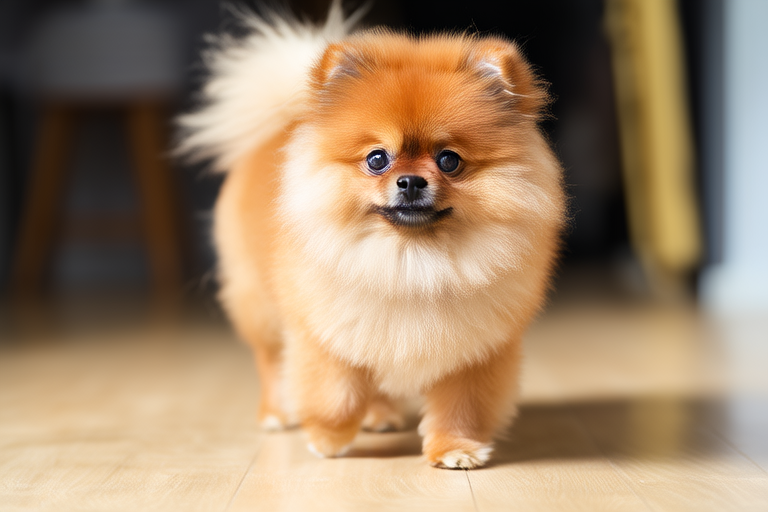
From Fluffy Companion to Furry Friend: All You Need to Know About Pomeranians
Pomeranians, those tiny, fluffy bundles of energy, have captured the hearts of dog lovers worldwide. With their expressive eyes, luxurious coats, and playful personalities, it’s no wonder they’ve become one of the most popular small dog breeds. Known for their charming demeanor and adaptability, Pomeranians make excellent companions for families, singles, and seniors alike. This article will delve into the world of Pomeranians, offering insights into their history, characteristics, care, and more.
Introduction: A Popular and Adorable Breed
Pomeranians are often described as the perfect mix of cuteness and sass. Their small size, typically weighing between 3 to 7 pounds, makes them ideal for apartment living. Despite their diminutive stature, these dogs possess a big personality that can fill any room with joy. They are known for their alertness and lively nature, which makes them great watchdogs. However, their bark is often much louder than their bite, so potential owners shouldn’t expect much protection beyond the occasional warning bark.
A Brief History and Evolution
The origins of the Pomeranian trace back to the Pomerania region in Central Europe, which encompasses parts of modern-day Germany and Poland. These dogs were originally much larger, belonging to the Spitz family of dogs, which includes breeds like the Alaskan Malamute and the Siberian Husky. Over time, selective breeding reduced their size significantly, transforming them into the toy breed we know today.
Their journey from working dogs to beloved companions began in the 18th century when they caught the attention of royalty. Queen Victoria of England was particularly fond of Pomeranians, and her influence helped popularize the breed across Europe and eventually around the globe. The breed has since evolved, retaining its intelligence and affectionate nature while becoming smaller and more suited for indoor living.
Physical Traits
Pomeranians are characterized by their thick, double coats that come in a variety of colors, including orange, black, cream, and sable. Their coats require regular grooming to prevent matting and to maintain their plush appearance. Their expressive faces feature large, dark eyes and small, pointed ears that stand erect. Pomeranians also have a distinctive tail that curls over their backs, adding to their overall charm.
Temperament and Common Health Issues
Pomeranians are known for their friendly and outgoing personalities. They are highly intelligent and quick learners, making them relatively easy to train. However, their independence and occasional stubbornness can pose challenges for new owners. Early socialization is crucial to ensure they grow up to be well-rounded and confident dogs.
While generally healthy, Pomeranians are prone to certain health issues. One of the most common is dental problems, so regular brushing and check-ups are essential. Other concerns include luxating patellas (slipped kneecaps) and tracheal collapse. Proper diet and weight management can help mitigate some of these risks.
Grooming Needs
Grooming is a significant part of caring for a Pomeranian. Their thick coats require brushing at least three times a week to prevent tangles and mats. Bathing should be done every few weeks or as needed. Regular nail trimming, ear cleaning, and dental care are also important aspects of maintaining their health and appearance.
Dietary Requirements
Pomeranians have specific dietary needs due to their small size and high metabolism. A balanced diet rich in protein and low in fat is recommended. Consultation with a veterinarian can help determine the appropriate amount and type of food for your Pomeranian. Avoid feeding them table scraps or foods that could be harmful, such as chocolate, onions, or garlic.
Exercise Routines
Despite their small size, Pomeranians need regular exercise to stay healthy and happy. Daily walks or play sessions in a secure area are ideal. Mental stimulation is just as important as physical activity, so consider incorporating puzzle toys or interactive games into their routine. Always supervise them during outdoor activities to ensure their safety.
Training Techniques
Training Pomeranians requires patience and consistency. Positive reinforcement methods, such as treats and praise, work best. Start training early to establish good habits and address any behavioral issues promptly. Basic commands like sit, stay, and come should be taught first, followed by more advanced tricks as they progress.
Socialization Methods
Early socialization is vital for Pomeranians to develop into well-adjusted adults. Expose them to various environments, people, and other animals from a young age. Puppy classes can provide structured socialization opportunities and help build confidence. It’s important to introduce them gradually to new situations to avoid overwhelming them.
Tips for Potential Owners
If you’re considering adopting a Pomeranian, there are several factors to keep in mind. First, choose a reputable breeder who prioritizes the health and well-being of their dogs. Research the breed thoroughly to understand their needs and challenges. Once you bring your new furry friend home, create a nurturing environment that meets their physical and emotional requirements.
Provide a comfortable bed, safe toys, and a consistent daily routine. Spend quality time with your Pomeranian, engaging in activities that both of you enjoy. Remember, they thrive on love, attention, and positive reinforcement.
Conclusion
From their regal beginnings to their current status as beloved companions, Pomeranians have a rich history and a bright future. Their unique blend of charm, intelligence, and loyalty makes them an excellent choice for many households. By understanding their needs and providing proper care, you can ensure a lifetime of happiness with your Pomeranian. Whether you’re a seasoned dog owner or new to the experience, a Pomeranian can bring endless joy and companionship into your life.