
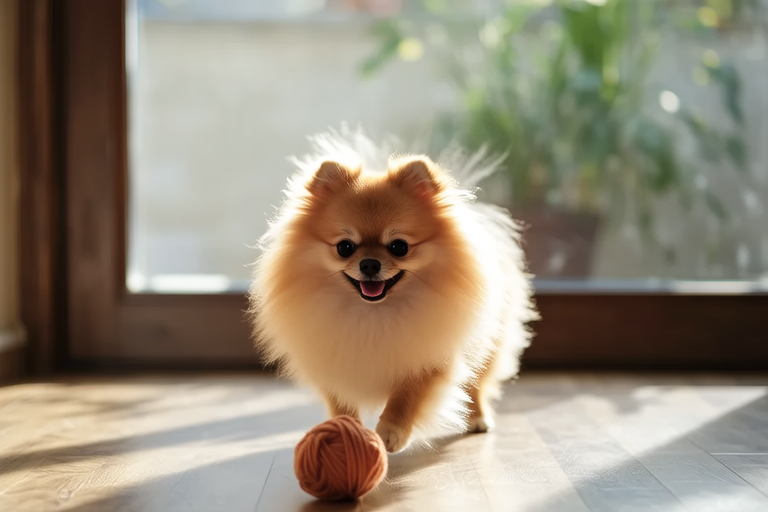
A Day in the Life of a Pomeranian: Unraveling Their Playful World
Welcome to the enchanting world of the Pomeranian, a breed known for its charming size, fluffy coat, and boundless energy. This article will take you through a typical day in the life of this delightful companion, offering insights into their morning routines, favorite activities, social interactions, dietary habits, exercise needs, and resting patterns. By the end, you’ll have a comprehensive understanding of what makes a Pomeranian such a lovable and unique addition to any family.
Morning Routines: The Start of a Playful Day
The day begins early for most Pomeranians, as they are often early risers. Typically, a Pomeranian will wake up around sunrise, ready to greet the day with enthusiasm. Their morning routine usually starts with a stretch and a shake, shedding some of the night’s fur in the process. They may then head straight to their food bowl, eager for breakfast.
After breakfast, it’s time for a bathroom break. Depending on where you live, this could mean a quick trip outside or a visit to a designated indoor area. Pomeranians are generally clean dogs, and many can be trained to use litter boxes if outdoor access isn’t always available. Once back inside, they’re ready for some playtime.
Favorite Activities: Engaging in Playful Pastimes
Pomeranians are full of energy and love to engage in various activities. One of their favorite pastimes is chasing toys, particularly small plush toys that mimic prey. Fetch is also a popular game, though their small size means they may not retrieve the toy themselves; instead, they might bring it back for you to throw again. Puzzle toys that dispense treats are another favorite, keeping their minds engaged while rewarding them with tasty snacks.
Another activity that Pomeranians enjoy is grooming. While they require regular brushing from their owners, they also like to groom themselves. You might see your Pomeranian licking their paws or grooming their coat, especially after a bath or a particularly active play session. This self-grooming helps them maintain their luxurious coat and provides a sense of comfort.
Social Interactions: Building Bonds with Humans and Other Pets
Pomeranians are social creatures and thrive on interaction with their human families. They often follow their owners from room to room, seeking attention and affection. A few scratches behind the ears, a gentle pat, or simply sitting nearby can make a Pomeranian feel loved and content. They also enjoy being part of family activities, whether it’s watching TV, reading a book, or preparing dinner.
If there are other pets in the household, Pomeranians can get along well with them, especially if they were introduced at a young age. However, due to their small size, they may need to be protected from overly exuberant playmates. Supervision is key when introducing a Pomeranian to new pets or children, ensuring everyone understands how to interact safely and respectfully.
Dietary Habits: Nourishing the Playful Spirit
A healthy diet is crucial for maintaining a Pomeranian’s energy levels and overall well-being. Their meals should consist of high-quality dog food formulated for small breeds, providing balanced nutrition. It’s important to avoid overfeeding, as Pomeranians are prone to obesity, which can lead to health issues such as joint problems and diabetes. Regular meals, rather than free feeding, help regulate their weight and digestion.
In addition to their regular meals, Pomeranians appreciate treats. These can be used as rewards during training sessions or simply as a way to show affection. However, treats should be given sparingly to avoid disrupting their balanced diet. Look for low-calorie options or homemade treats made from ingredients like carrots, sweet potatoes, or apples.
Exercise Needs: Keeping Fit and Happy
Despite their small size, Pomeranians require regular exercise to stay fit and healthy. Daily walks are essential, allowing them to explore their surroundings and burn off excess energy. Aim for at least 30 minutes of walking each day, broken into shorter walks if necessary. Additionally, playtime indoors or in a fenced yard provides opportunities for running, jumping, and playing fetch.
It’s important to note that Pomeranians can be sensitive to extreme temperatures. In hot weather, limit outdoor activities to cooler times of the day and provide plenty of shade and water. In cold weather, consider dressing your Pomeranian in a small jacket or sweater to protect against the chill. Indoor play areas equipped with ramps or stairs can help keep your Pomeranian active even when the weather outside is less than ideal.
Resting Patterns: Finding Comfortable Nooks
While Pomeranians are active and playful, they also need ample time to rest and recharge. They tend to nap throughout the day, finding cozy spots around the house to curl up in. Common resting places include soft beds, blankets, or even cuddling next to their human companions. Providing a comfortable, warm bed in a quiet area of the home can encourage your Pomeranian to settle down for a good nap.
Establishing a consistent bedtime routine can also help your Pomeranian wind down at the end of the day. This might include a final walk, a gentle grooming session, and some quiet time together before settling in for the night. A peaceful sleep environment is essential for their physical and emotional well-being.
Unique Characteristics: What Makes Them Stand Out
Pomeranians possess several unique traits that set them apart from other dog breeds. Their double coat, consisting of a soft undercoat and a longer outer coat, gives them their signature fluffy appearance. Regular brushing is necessary to prevent matting and keep their coat looking its best. Their small stature, typically weighing between 3 to 7 pounds, belies their big personalities. Pomeranians are often described as “big dogs in little bodies,” displaying confidence and curiosity that far exceed their size.
One of the most distinctive features of Pomeranians is their alertness. They have a keen awareness of their surroundings and are quick to bark at unfamiliar sounds or movements. This makes them excellent watchdogs, although their barking can sometimes be excessive. Training and socialization are key to managing their barking tendencies and ensuring they remain calm and well-behaved in different situations.
Tips for Caring for a Pomeranian
Caring for a Pomeranian involves more than just meeting their basic needs; it requires attention to their unique requirements and behaviors. Here are some tips to ensure your Pomeranian lives a happy and healthy life:
- Grooming: Brush your Pomeranian’s coat regularly to prevent tangles and mats. Pay special attention to areas that are prone to matting, such as behind the ears and around the legs.
- Training: Early training is important for establishing good behavior and obedience. Use positive reinforcement techniques, such as treats and praise, to encourage desired behaviors.
- Healthcare: Regular veterinary check-ups are essential for monitoring your Pomeranian’s health. Keep up-to-date with vaccinations and schedule annual exams to catch any potential issues early.
- Exercise: Provide regular exercise to keep your Pomeranian physically and mentally stimulated. Incorporate both outdoor walks and indoor play sessions into their daily routine.
- Hydration: Ensure your Pomeranian has access to fresh water at all times. Hydration is vital for their overall health and can help prevent urinary tract infections, which are common in small breeds.
By following these tips and understanding the unique needs of your Pomeranian, you can provide them with a loving and enriching environment that allows them to thrive.
Conclusion: Embracing the Joy of Pomeranian Ownership
A day in the life of a Pomeranian is filled with excitement, playfulness, and companionship. From their energetic mornings to their cozy naps, every moment offers a glimpse into the joy and charm of this beloved breed. With their playful nature, curious behavior, and unique characteristics, Pomeranians make wonderful companions for those who appreciate a small but mighty friend. By understanding their daily routines and needs, you can ensure that your Pomeranian lives a happy, healthy, and fulfilling life. Whether you’re a seasoned pet owner or considering adding a Pomeranian to your family, embracing their world is sure to bring countless moments of delight and companionship.