
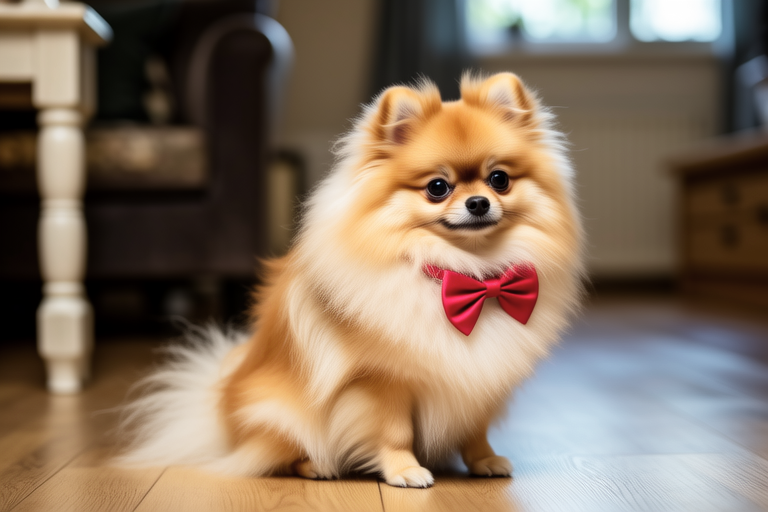
The Ultimate Guide: Caring for Your Lively Pomeranian Companion
Welcome to the world of Pomeranians! These charming, energetic, and intelligent little dogs have captured the hearts of many pet lovers. With their fluffy coats and expressive eyes, it’s easy to see why they’re so popular. However, owning a Pomeranian comes with its own set of responsibilities. This guide will walk you through everything you need to know to provide your furry friend with the best possible care.
Basic Information About Pomeranians
Pomeranians are a small breed of dog that originated from the Pomerania region in Central Europe. They are part of the Spitz family and were originally bred as working dogs, used for herding sheep and guarding property. Over time, they became smaller and more suited to being companion animals. Today, Pomeranians are known for their loyalty, playfulness, and affectionate nature.
These dogs typically weigh between 3-7 pounds and stand about 6-7 inches tall at the shoulder. Their lifespan ranges from 12 to 16 years, making them a long-term commitment. Despite their small size, Pomeranians are full of energy and require plenty of attention and stimulation to stay happy and healthy.
Dietary Needs
Feeding your Pomeranian a balanced diet is crucial for maintaining their health and well-being. A good quality dog food specifically formulated for small breeds or toy dogs is ideal. Look for foods that contain high-quality protein sources like chicken, fish, or lamb. Avoid foods with fillers such as corn, soy, or artificial preservatives.
Portion control is important when feeding your Pomeranian. Overfeeding can lead to obesity, which may cause joint problems and other health issues. Consult with your veterinarian to determine the appropriate amount of food based on your dog’s age, weight, and activity level. It’s also recommended to divide their daily food intake into two meals instead of one large meal.
In addition to commercial dog food, you can offer your Pomeranian occasional treats. Choose healthy options like small pieces of cooked chicken, carrots, or apples. Remember to limit the amount of treats given to avoid disrupting their regular meals.
Grooming Tips
Pomeranians have a double coat consisting of a soft undercoat and a longer outer coat. This luxurious fur requires regular grooming to keep it looking its best and prevent matting. Brush your Pomeranian at least three times a week, ideally every day if possible. Use a slicker brush to remove loose hair and prevent tangles.
Bathing your Pomeranian should be done every 4-8 weeks depending on their activity level and how dirty they get. Always use a gentle, pH-balanced shampoo designed for dogs. Be sure to rinse thoroughly to avoid any residue that could irritate their skin. After bathing, dry them thoroughly with a towel and consider using a blow dryer on a low heat setting if necessary.
Nail trimming is another important aspect of grooming. Long nails can cause discomfort and affect your Pomeranian’s gait. Trim their nails every few weeks, ensuring you don’t cut too close to the quick, which can cause bleeding and pain. If you’re unsure about trimming your dog’s nails, consult a professional groomer or your veterinarian.
Regular dental care is essential for your Pomeranian’s overall health. Brush their teeth at least twice a week using a toothbrush and toothpaste made specifically for dogs. Dental chews and toys can also help promote good oral hygiene.
Exercise Requirements
Despite their small size, Pomeranians are quite active and require regular exercise to maintain their physical and mental health. Aim for at least 30 minutes of exercise per day, broken down into shorter sessions if needed. This can include walks, playtime in a fenced yard, or interactive games like fetch.
It’s important to note that Pomeranians can be sensitive to extreme temperatures. In hot weather, avoid exercising during the hottest parts of the day and ensure they have access to shade and plenty of water. In cold weather, consider using a coat or sweater to protect them from the chill.
Mental stimulation is just as important as physical exercise. Engage your Pomeranian with puzzle toys, treat-dispensing toys, and training sessions. This helps keep their mind sharp and prevents boredom-related behaviors such as chewing or barking.
Health Concerns
Like all breeds, Pomeranians are prone to certain health issues. Being aware of these conditions allows you to catch potential problems early and provide proper care.
- Patellar Luxation: This occurs when the kneecap dislocates from its normal position. Symptoms include limping or difficulty walking. Treatment may range from conservative management to surgical intervention depending on the severity.
- Tracheal Collapse: Common in small breeds, this condition involves the windpipe weakening and collapsing, leading to coughing, especially after excitement or eating/drinking. Management typically involves weight control and avoiding neck collars; harnesses are preferred.
- Hypoglycemia: Low blood sugar can be dangerous for toy breeds, including Pomeranians. Early signs include weakness, lethargy, or seizures. Feeding frequent small meals can help prevent hypoglycemic episodes.
- Eye Problems: Pomeranians are susceptible to cataracts, progressive retinal atrophy (PRA), and corneal ulcers. Regular eye examinations by a veterinarian are recommended.
- Ear Infections: Due to their floppy ears, Pomeranians are prone to ear infections. Clean their ears weekly with a vet-approved solution and check for redness, odor, or discharge.
Training Techniques
Training your Pomeranian is essential for building a strong bond and teaching them good behavior. Start training as early as possible, ideally when they are puppies. Positive reinforcement methods work best with this breed. Reward desired behaviors with praise, treats, and affection. Be consistent and patient throughout the training process.
Housebreaking is an important skill for any dog. Establish a routine where you take your Pomeranian outside first thing in the morning, after meals, and before bedtime. Praise them when they eliminate outside and bring them inside immediately afterward. Crate training can also be effective, as Pomeranians generally dislike soiling their sleeping area.
Socialization is key to raising a well-adjusted Pomeranian. Expose them to different people, environments, and situations from a young age. This helps prevent fear-based aggression and ensures they become comfortable in various settings. Puppy classes are a great way to introduce your dog to other dogs and humans in a controlled environment.
Advice on Socializing Your Pomeranian
Socializing your Pomeranian involves introducing them to various stimuli and experiences to help them become confident and well-rounded. Begin socialization early, around 8-12 weeks of age, when puppies are most receptive to new experiences. Continue socializing throughout their life to reinforce positive interactions.
Expose your Pomeranian to different people, including children, adults, and those with varying appearances or disabilities. Introduce them to other animals, both within and outside your household. Gradually increase the complexity of the environments they encounter, such as parks, streets, and public spaces.
During socialization, always prioritize safety. Keep your Pomeranian leashed or in a secure area when interacting with others. Supervise all interactions closely to ensure they remain positive and stress-free. If your Pomeranian shows signs of fear or anxiety, reassure them calmly and remove them from the situation.
Remember that socialization is an ongoing process. Even well-socialized dogs may need reminders and refresher sessions. Stay attentive to your Pomeranian’s comfort level and adjust their exposure accordingly. With patience and consistency, you’ll help your Pomeranian become a confident and friendly companion.
Conclusion
Owning a Pomeranian is a rewarding experience filled with love, laughter, and companionship. By understanding their dietary needs, grooming requirements, exercise preferences, and common health concerns, you can ensure your Pomeranian lives a long, healthy, and happy life. Proper training and socialization will help your furry friend become a well-behaved and socially adept member of your family. With the right care and attention, your Pomeranian will be your loyal and lively companion for many years to come.