
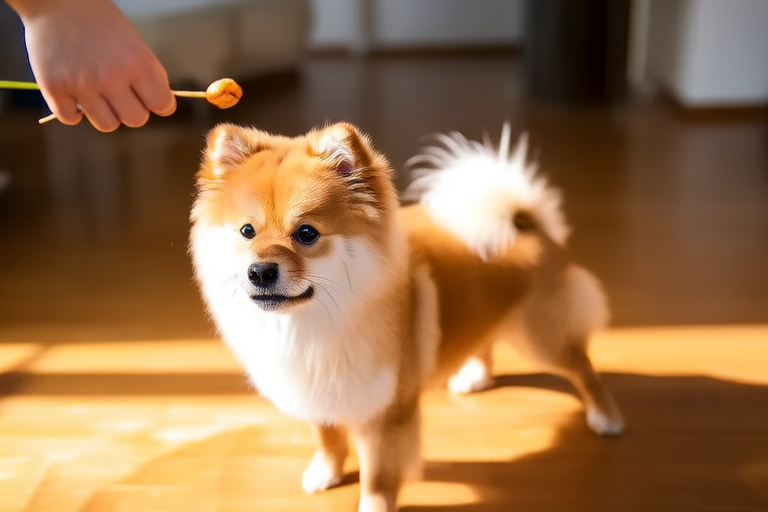
Pomeranian Training Hacks: Raising a Well-Behaved Little Fireball
Welcome to the world of Pomeranians! These little fireballs are full of energy, charm, and personality. If you’re looking to raise a well-behaved Pomeranian, it’s important to understand that they require consistent training, positive reinforcement, and plenty of mental and physical stimulation. This guide will walk you through practical training tips to help you build a strong bond with your Pomeranian while ensuring they grow into a well-mannered companion.
Basic Obedience Training
Teaching your Pomeranian basic commands is the foundation of good behavior. Start with simple commands like ‘sit,’ ‘stay,’ and ‘come.’ Use treats as rewards to encourage desired behaviors. Keep sessions short—about five minutes at a time—and be patient. Pomeranians are intelligent but can also be stubborn, so consistency is key. Practice these commands daily until your Pomeranian responds reliably.
Potty Training Strategies
Potty training your Pomeranian requires patience and a clear routine. Establish a specific area outside for bathroom breaks and take your puppy there frequently, especially after meals or playtime. Use a command like ‘go potty’ to signal when it’s time to relieve themselves. Reward them immediately after they go in the right spot. Crate training can also be effective; puppies generally avoid soiling their sleeping areas. Place your Pomeranian in the crate when you cannot supervise them, and always take them to the designated potty area before and after crate time.
Addressing Common Behavioral Issues
Excessive Barking
Pomeranians are known for their vocal nature, but excessive barking can become problematic. To address this, identify triggers such as doorbells or other dogs. When your Pomeranian starts barking, calmly say ‘quiet’ and wait for them to stop. Once they are quiet, reward them with a treat. Avoid yelling or punishing, as this can escalate the barking.
Nipping and Chewing
Nipping and chewing are common behaviors in young Pomeranians, often stemming from teething or boredom. Provide appropriate chew toys and redirect any biting onto these toys. If your Pomeranian nips during play, make a sharp sound to startle them and then offer a chew toy. Consistent redirection and positive reinforcement will help them learn what is acceptable.
Fostering Good Socialization Skills
Socializing your Pomeranian early is crucial for their development. Expose them to various environments, people, and animals in a controlled and positive manner. Take them to dog parks, invite friends over, and introduce them to different experiences. Always ensure they feel safe and secure during these interactions. Proper socialization helps prevent fearfulness and aggression later in life.
Managing High Energy Levels
Pomeranians have abundant energy, which can lead to destructive behavior if not properly managed. Regular exercise is essential. Daily walks, play sessions, and interactive toys can help burn off excess energy. Consider activities like agility training or fetch to engage both their body and mind. Mental stimulation is equally important; puzzle toys and training games can keep their minds active.
Positive Reinforcement Techniques
Positive reinforcement is the most effective way to train your Pomeranian. Use treats, praise, and affection to reward desired behaviors. Avoid punishment, as it can lead to fear and anxiety. Instead, focus on rewarding good behavior consistently. This approach builds trust and strengthens the bond between you and your pet.
Consistency in Training
Consistency is vital in training your Pomeranian. Stick to a regular schedule for feeding, potty breaks, and playtime. Use the same commands and methods for each training session. If multiple family members are involved in training, ensure everyone uses the same approach. Consistency helps your Pomeranian understand what is expected of them and reinforces learning.
Maintaining a Strong Bond Through Training
The training process itself is an excellent opportunity to strengthen the bond between you and your Pomeranian. Spend quality time together during training sessions, and use these moments to reinforce your relationship. Engage in activities that both of you enjoy, and celebrate small victories along the way. A strong bond built on mutual respect and understanding will result in a happier, more well-adjusted Pomeranian.
In conclusion, raising a well-behaved Pomeranian involves a combination of positive reinforcement, consistency, and lots of love. By following these training hacks, you’ll be able to channel your Pomeranian’s energy into positive behaviors and create a harmonious living environment. Remember, every Pomeranian is unique, so tailor your approach to suit their individual needs. Enjoy the journey of raising your little fireball!