
5 Myths Debunked About Chameleon Care That Every Owner Should Know
Chameleons, those fascinating reptiles known for their ability to change color, have long captured the imagination of pet enthusiasts. These creatures, native to Africa, Madagascar, and southern Europe, offer a unique and rewarding experience for owners willing to learn and provide the specialized care they require. However, misinformation can often lead to inadequate care, jeopardizing the health and well-being of these delicate animals. It’s crucial for any chameleon owner, whether novice or seasoned, to separate fact from fiction when it comes to chameleon care. This article aims to debunk five common myths that circulate among chameleon enthusiasts, providing scientifically-backed information and practical advice to ensure your chameleon thrives.
Myth 1: Chameleons Change Color to Match Their Environment
One of the most enduring myths about chameleons is that they change color to blend into their surroundings. While it’s true that chameleons can alter their pigmentation, this behavior primarily serves other purposes. Chameleons change color to regulate their body temperature, communicate with other chameleons, and express emotions. For instance, a stressed chameleon might display dark colors, while a relaxed one may show lighter hues. Understanding these signals is vital for assessing your chameleon’s health and happiness.
Owners should create an environment that mimics the natural habitat of chameleons, ensuring appropriate lighting, temperature, and humidity levels. This setup will help your chameleon feel comfortable and reduce stress-related color changes. Providing plenty of foliage and hiding spots also helps create a secure environment.
Myth 2: Chameleons Can Survive on Just Water From Misting
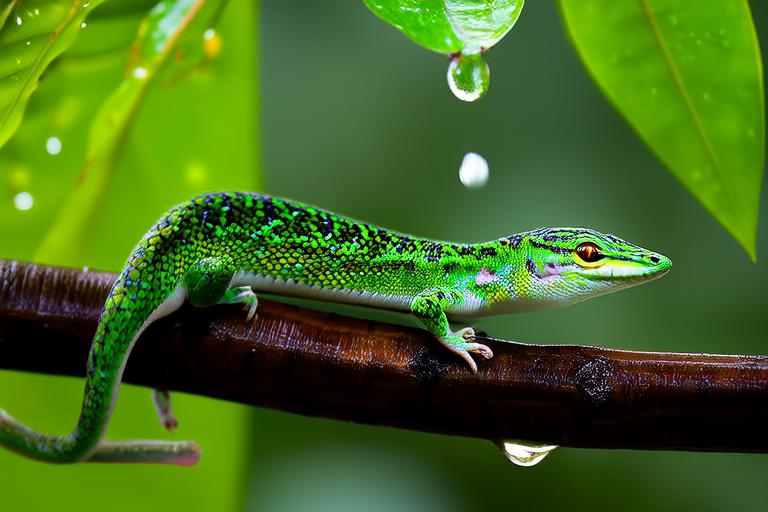
Another widespread misconception is that misting alone provides sufficient hydration for chameleons. While misting does contribute to maintaining the necessary humidity levels, it is not enough to meet their daily water needs. Chameleons are adapted to catching water droplets from leaves in their natural environment, but in captivity, they require a more reliable source of drinking water.
To ensure your chameleon stays hydrated, place a shallow water dish at the bottom of the enclosure. Additionally, dripping systems or automatic misters can be beneficial. Observing your chameleon drink can help you adjust the frequency and duration of misting sessions accordingly.
Myth 3: Chameleons Thrive in Group Housing
Chameleons are solitary creatures by nature and do not thrive in group settings. Housing multiple chameleons together can lead to aggressive behavior, stress, and even fatal injuries. Each chameleon requires its own space to feel secure and avoid conflicts.
Creating a spacious and well-furnished enclosure for each chameleon is essential. Provide ample vertical space with branches, vines, and foliage to allow them to climb and explore. This setup not only satisfies their territorial instincts but also ensures they have enough room to move around comfortably.
Myth 4: Chameleons Need Daily Handling
Many owners mistakenly believe that handling their chameleons frequently helps build a bond. In reality, chameleons are not social animals like dogs or parrots and do not enjoy being handled. Excessive handling can cause stress, leading to health issues such as decreased appetite, lethargy, and even respiratory infections.
It’s important to respect your chameleon’s need for solitude. Limit handling to necessary tasks such as cage cleaning and health checks. When handling is required, always support the chameleon properly and keep interactions brief and gentle.
Myth 5: Chameleons Can Eat a Variety of Insects
While it may seem logical to feed chameleons a diverse diet of insects, not all insects are safe or nutritious. Feeding inappropriate insects can lead to nutritional deficiencies and health problems. For example, crickets, which are commonly fed to chameleons, should be gut-loaded with nutritious foods before feeding to ensure they provide adequate nutrition.
The ideal diet for a chameleon consists mainly of appropriately sized insects such as crickets, dubia roaches, and silkworms. Always supplement insects with calcium and multivitamins to prevent deficiencies. Avoid feeding wild-caught insects, as they may carry parasites or harmful substances.
Conclusion: The Importance of Proper Research and Care
Understanding the truths behind these common myths is crucial for providing the best possible care for your chameleon. By recognizing that chameleons change color for reasons other than camouflage, ensuring they have a reliable source of water, housing them individually, minimizing handling, and carefully selecting their diet, you can create an environment that promotes their health and well-being.
Proper research and care are indispensable when owning a chameleon. Take the time to learn about their specific needs and preferences, and always consult with veterinarians specializing in exotic pets. With the right knowledge and dedication, you can enjoy a rewarding relationship with these captivating creatures. Remember, every chameleon is unique, so tailor your approach based on individual behaviors and health needs.