
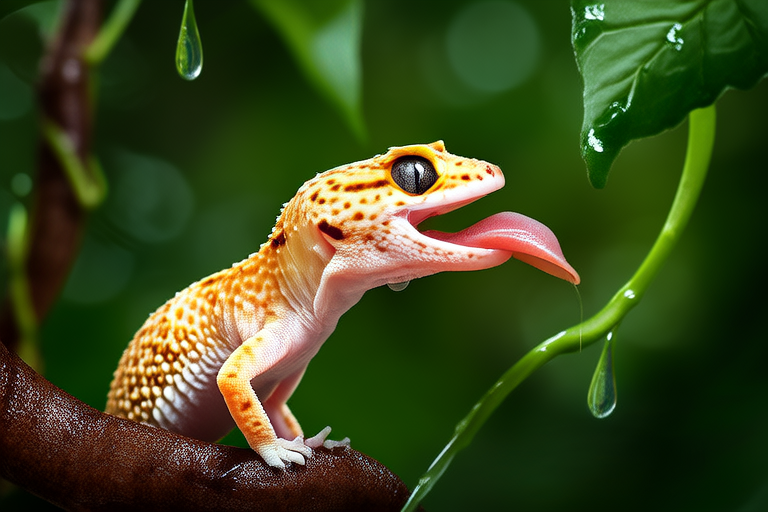
Chameleon Diet Secrets: What These Colorful Creatures Really Eat
Introduction: Chameleons, those fascinating reptiles known for their ability to change colors, have long intrigued both scientists and pet enthusiasts alike. Their unique appearance is matched by equally unique dietary needs that are crucial for their health and longevity. Understanding what chameleons eat in the wild can help us provide the best care for our pet chameleons. This article delves into the dietary secrets of these colorful creatures, exploring the variety of insects they consume, the importance of gut loading, necessary supplementation, proper feeding techniques, and monitoring their health through diet.
The Natural Diet of Wild Chameleons
In the wild, chameleons are insectivores, meaning their diet primarily consists of insects. They have a specialized tongue that can extend up to twice their body length to catch prey. The variety of insects they consume in their natural habitat includes crickets, grasshoppers, locusts, mealworms, wax worms, and even small vertebrates like lizards or birds. Each type of insect provides different nutrients essential for a chameleon’s well-being.
- Crickets: Rich in protein, crickets are a staple food for many chameleons. They also contain calcium, which is vital for bone health.
- Grasshoppers and Locusts: These insects offer high levels of vitamins and minerals, making them an excellent source of nutrition.
- Mealworms: While nutritious, mealworms should be fed sparingly as they are higher in fat and lower in calcium compared to other insects.
- Wax Worms: Although tasty for chameleons, these worms are fatty and should be considered a treat rather than a regular part of the diet.
Gut Loading: Enhancing Nutritional Value
Before feeding insects to your pet chameleon, it’s important to gut load them. Gut loading involves feeding the insects a nutrient-rich diet prior to offering them to your chameleon. This process ensures that the insects themselves become a more nutritious meal. For example, feeding crickets a diet of fresh vegetables, fruits, and commercial gut-loading supplements can significantly increase the vitamin and mineral content available to your chameleon when it eats the crickets.
Commercial gut-loading products are widely available and can be easily incorporated into your routine. These products come in powder form and are sprinkled over the insects’ food. They typically contain a blend of vitamins, minerals, and sometimes even probiotics to enhance the overall health of the insects.
Necessity and Types of Supplementation
Even with a varied diet of gut-loaded insects, chameleons may still require additional supplementation to ensure they receive all necessary nutrients. The most critical supplements for chameleons include calcium and vitamin D3.
- Calcium: Essential for maintaining strong bones and preventing metabolic bone disease (MBD), calcium is often provided in the form of calcium powder. It is recommended to dust insects with this powder at every feeding for juveniles and young adults, and every other feeding for adult chameleons.
- Vitamin D3: This vitamin helps in the absorption of calcium. While some UVB lighting can assist in the production of vitamin D3 within the chameleon’s body, additional supplementation might be necessary depending on the quality of the lighting.
- Multivitamins: These can be used occasionally to provide a broad spectrum of nutrients, but care should be taken not to over-supplement, as excess vitamins can be harmful.
Tips for Feeding Pet Chameleons
Proper feeding techniques are crucial for ensuring your chameleon stays healthy. Here are some tips:
- Frequency: Young chameleons should be fed daily, while adults can be fed every other day. Adjust the frequency based on the chameleon’s age, size, and activity level.
- Portion Sizes: Offer as many insects as your chameleon will consume in 10-15 minutes. This prevents overfeeding and keeps the chameleon active and interested in hunting.
- Feeding Methods: Use feeding tongs or a shallow dish to present insects to your chameleon. Avoid leaving live insects in the enclosure unsupervised, as they could stress or harm the chameleon.
- Hydration: Insects should be hydrated before feeding. Mist them lightly or place them in a container with moistened paper towels for a few hours. Hydrated insects provide better hydration for the chameleon.
Monitoring Health Through Diet
Regular monitoring of your chameleon’s diet is essential for maintaining its health. Signs of dietary imbalance can manifest in various ways:
- Metabolic Bone Disease (MBD): Symptoms include softening of the jawbones, swollen limbs, and lethargy. MBD is often caused by a lack of calcium or vitamin D3.
- Weight Loss: If your chameleon is losing weight despite adequate feeding, it might indicate an underlying health issue or improper nutrition.
- Lethargy: A chameleon that appears unusually tired or inactive may not be receiving enough nutrients or could have other health concerns.
- Stunted Growth: Slow growth or stunted development in younger chameleons can be a sign of insufficient nutrients.
If you notice any of these signs, consult a veterinarian specializing in reptiles. They can provide a thorough examination and recommend adjustments to your chameleon’s diet and care routine.
Conclusion:
Understanding the dietary needs of chameleons is key to providing them with a healthy and balanced life. By mimicking their natural diet as closely as possible, gut loading insects, using appropriate supplementation, and carefully monitoring their health, you can ensure your pet chameleon thrives. Remember, each chameleon is unique, so pay attention to individual preferences and adjust their diet accordingly. With the right care and attention to their nutritional needs, your chameleon will lead a vibrant and fulfilling life.