
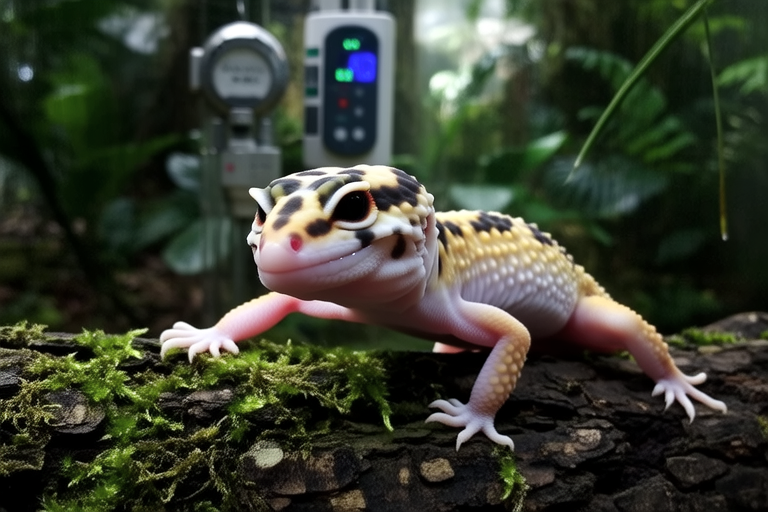
Chameleon Care Tips: What Every New Owner Needs to Know
Welcome to the fascinating world of chameleons! These unique reptiles have captured the hearts of many with their vibrant colors and intriguing behaviors. As a new owner, you’re embarking on an exciting journey, but it’s crucial to understand the specific needs of your pet. This guide will provide you with essential information on setting up the perfect habitat, ensuring a balanced diet, recognizing signs of illness, and fostering a strong bond with your chameleon.
Habitat Setup
The first step in chameleon care is creating a suitable environment. Chameleons require a spacious enclosure that mimics their natural habitat. The ideal enclosure size depends on the species, but generally, it should be at least three feet wide, two feet deep, and four feet tall. A larger enclosure allows for more climbing space and better air circulation.
Proper lighting is vital for your chameleon’s health. Use a combination of UVB bulbs and heat lamps. UVB light helps them synthesize vitamin D3, which is essential for calcium absorption. Place the UVB bulb on one side of the enclosure and ensure it covers at least half of the cage. Replace the bulb every six months or as recommended by the manufacturer. Heat lamps should maintain a basking spot between 90-100°F (32-38°C) during the day, with the rest of the enclosure around 75-85°F (24-29°C).
Humidity levels should be kept between 40% and 60%. Mist the enclosure twice daily to raise humidity levels and provide fresh drinking water. Automated misting systems can help maintain consistent moisture levels. Ensure there are plenty of branches and vines for your chameleon to climb and bask on, and include live plants to create a lush, natural environment.
Diet Specifics
Feeding your chameleon correctly is key to their health. Their diet should consist primarily of insects such as crickets, dubia roaches, and waxworms. Offer a variety of prey items to ensure a balanced diet. Gut-load the insects by feeding them nutritious foods like fruits, vegetables, and commercial insect diets before offering them to your chameleon.
Supplemental vitamins and minerals are necessary. Dust the insects with a high-quality calcium supplement without vitamin D3 twice weekly, and a multivitamin once a week. Avoid over-supplementation, as it can lead to imbalances. Feed your chameleon insects daily, offering as much as they can eat within 10-15 minutes. Remove any uneaten insects to prevent stress or injury to your pet.
Health Care Basics
Regular monitoring is crucial for maintaining your chameleon’s health. Signs of illness may include lethargy, loss of appetite, abnormal coloration, or difficulty breathing. If you notice any of these symptoms, consult a veterinarian specializing in exotic pets immediately.
Veterinary care is essential for your chameleon’s well-being. Schedule annual check-ups and vaccinations as recommended by your vet. Be prepared for emergencies by having a list of local reptile veterinarians and emergency contacts. Regular visits can catch potential issues early, preventing more serious health problems.
Common Behaviors
Understanding your chameleon’s behavior is key to providing proper care. Shedding is a normal process, and your chameleon will periodically shed its skin. Ensure humidity levels are adequate to assist with the shedding process. If you notice retained patches, consult your veterinarian for guidance.
Chameleons are crepuscular, meaning they are most active during dawn and dusk. They spend most of their day sleeping, often hanging upside down from branches. This is a natural behavior and should not cause concern. Provide a quiet, dark area for them to sleep undisturbed.
Tips for Handling and Bonding
Handling your chameleon should be done carefully and infrequently. Chameleons are solitary animals and do not enjoy being handled as much as other pets. When handling is necessary, support their body fully and avoid squeezing or restraining them. Always wash your hands before and after handling to prevent the spread of bacteria.
Bonding with your chameleon can be achieved through regular interaction and observation. Spend time watching them in their enclosure, talking to them gently, and offering treats. Gradually introduce gentle handling sessions, allowing your chameleon to become comfortable with your presence. Patience is key, and it may take some time for your chameleon to trust you.
Myth: Chameleons change color to blend into their surroundings. Fact: While chameleons do change color, it’s primarily for communication, temperature regulation, and mood expression rather than camouflage.
Myth: Chameleons need to drink water from a bowl. Fact: Chameleons typically drink water droplets from leaves. Ensure their enclosure is regularly misted to provide a reliable source of hydration.
Myth: Chameleons can survive on a diet of crickets alone. Fact: A varied diet is essential for your chameleon’s health. Include other insects and occasional plant matter to ensure a balanced diet.
By following these guidelines, you’ll be well-equipped to provide a loving and healthy home for your chameleon. Remember, each chameleon is unique, so pay attention to their individual needs and adjust their care accordingly. Enjoy this wonderful journey with your new companion!