
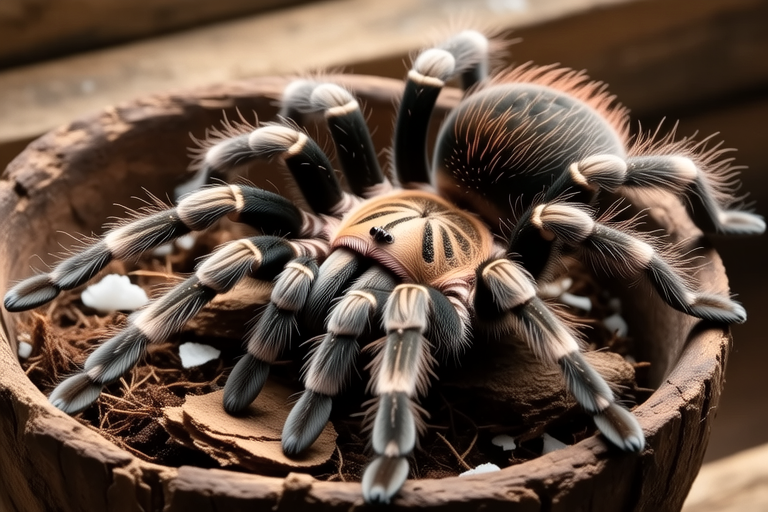
Everything You Need to Know Before Bringing Home a Tarantula as a Pet
Welcome to the fascinating world of tarantulas! These incredible creatures have captured the hearts of many pet enthusiasts with their unique appearance and relatively low maintenance requirements. However, before you bring one home, it’s crucial to understand the commitment and responsibilities that come with caring for these arachnids. This guide will walk you through everything you need to know about tarantulas, from choosing the right species to ensuring their health and happiness.
Selecting the Right Species
With over 900 species of tarantulas worldwide, finding the perfect pet can be daunting. It’s essential to choose a species that suits your lifestyle and experience level. Here are some popular choices:
- Baby Pink Toes (Avicularia avicularia): Known for their docile nature and beautiful pink hairs, they’re ideal for beginners.
- Brown Recluse (Gertschella recluse): While not a true tarantula, this spider shares similar care requirements and is highly sought after for its unique appearance.
- Rusty Red (Grammostola mollicoma): A hardy and calm species, perfect for those looking for a more robust tarantula.
Consider factors like size, temperament, and habitat when selecting a tarantula. Some species grow quite large, while others remain small and manageable. Research thoroughly to find the best match for your home.
Housing Requirements
Adequate housing is crucial for your tarantula’s well-being. Start by choosing an appropriately sized tank; generally, a 10-gallon tank is sufficient for most species. Ensure the enclosure has proper ventilation to maintain optimal humidity levels.
Substrate is another important consideration. Coconut fiber or peat moss works well, providing a natural environment and facilitating burrowing behavior. Add hiding spots like cork bark or driftwood to mimic their natural habitats.
Temperature and humidity control are vital too. Most tarantulas thrive between 75-85°F (24-29°C) and 60-80% humidity. Use thermometers and hygrometers to monitor these conditions accurately. Proper lighting isn’t necessary, but UVB lighting may benefit certain species.
Diet Specifics
Tarantulas are carnivorous, feeding primarily on live insects such as crickets, mealworms, and dubia roaches. Feed them every 3-5 days, adjusting frequency based on age and activity level. Avoid overfeeding to prevent obesity.
Supplemental nutrition is also essential. Dust feeder insects with calcium and multivitamin powders before offering them to your tarantula. This ensures they receive all necessary nutrients for growth and development.
Handling Tips
While tarantulas can be fascinating to observe, handling should be approached with caution. Many species prefer not to be touched and may become stressed easily. If you must handle your tarantula, follow these guidelines:
- Wash your hands before and after handling to avoid transferring oils or chemicals.
- Support the tarantula gently with both hands, ensuring you don’t squeeze or harm them.
- Avoid sudden movements or loud noises that might startle your pet.
Remember, tarantulas possess venomous fangs, though most bites are harmless to humans. However, always prioritize safety and respect your pet’s boundaries.
Common Health Issues
Like any pet, tarantulas can face health challenges. Regular monitoring helps catch potential issues early. Look out for signs such as decreased appetite, lethargy, or unusual behavior. Common problems include:
- Molting Problems: Occurs naturally but can be dangerous if interrupted. Provide a humid hide box during this time.
- Parasites: External parasites like mites can infest your tarantula. Maintain cleanliness and quarantine new additions.
- Respiratory Issues: Caused by poor ventilation or incorrect humidity levels. Ensure proper airflow and adjust humidity accordingly.
Consult a veterinarian specializing in exotic animals if you suspect your tarantula is ill. Early intervention often leads to better outcomes.
The Responsibility Involved
Owning a tarantula comes with significant responsibilities. First, consider the long-term commitment; some species can live up to 20 years. Ensure you’re prepared to care for your pet throughout its lifespan.
Financial considerations are also important. Initial setup costs range from $50-$200, depending on tank size and accessories. Ongoing expenses include food, supplements, and occasional veterinary visits.
Lastly, be mindful of legal restrictions. Certain species may require permits or face import/export bans. Always research local regulations before bringing a tarantula into your home.
Conclusion
Bringing a tarantula into your life offers a rewarding and educational experience. By understanding their needs and committing to responsible ownership, you’ll provide your pet with a safe, comfortable environment where they can thrive. Remember, patience and dedication are key to successful tarantula care. With proper attention and care, you’ll enjoy many years of companionship with these remarkable creatures.