
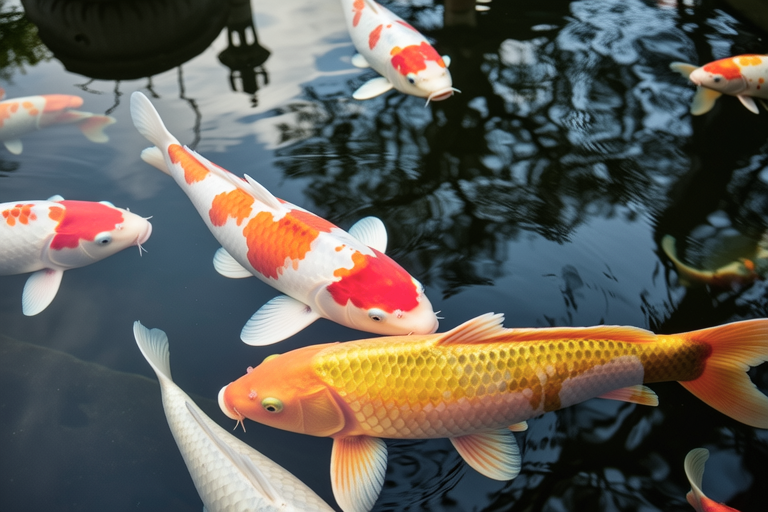
From Pond to Pool: The Majestic World of Koi
Koi fish, known for their vibrant colors and graceful movements, have captivated human imagination for centuries. Originating from East Asia, these carp species have transcended mere aquatic pets to become symbols of beauty, serenity, and cultural heritage. This article delves into the fascinating world of koi, exploring their origins, cultural significance, physical characteristics, and the art of koi keeping.
The Origins and Cultural Significance of Koi
Koi fish, scientifically known as Cyprinus carpio, are believed to have originated in East Asia, particularly in China and Korea. They were initially bred for food but over time, people began to appreciate their unique colorations and patterns. The Japanese refined this art during the Edo period (1603-1867), transforming koi into a symbol of good fortune, perseverance, and beauty. In Japan, koi ponds are not just decorative features; they are integral parts of gardens, reflecting the country’s deep connection with nature and tranquility.
In Chinese culture, koi symbolize love and loyalty, often depicted in art and literature. The legend of the Dragon Gate tells of koi swimming upstream against strong currents to reach the mythical Dragon Gate, where they transform into dragons. This story embodies the values of perseverance and achievement. Similarly, in Japan, koi are associated with perseverance and strength, making them popular choices for decorative ponds and water gardens.
The Physical Characteristics of Koi
One of the most striking features of koi is their stunning array of colors and patterns. These fish come in a wide spectrum of hues, including red, white, black, yellow, blue, and cream. Each color combination and pattern has its own name, adding to the complexity and allure of koi breeding. Some common patterns include the Hi Utsuri (red and black), Shiro Utsuri (white and black), and Platinum Ogon (silvery-white).
The names given to different varieties reflect the admiration for their beauty. For instance, the Sanke variety, which features red, black, and white, is often compared to the traditional Japanese flag. The Doitsu variety, characterized by scales along the dorsal ridge, is named after the German province where it was developed. Understanding these names and patterns can enhance your appreciation of koi, making each fish a unique piece of living art.
The Art of Koi Keeping
Maintaining a healthy koi pond requires careful planning and attention to detail. Proper pond preparation is crucial for ensuring the well-being of your koi. Start by choosing a location that receives partial sunlight and is sheltered from strong winds. A well-sized pond, typically at least 4 feet deep, provides ample space for the fish to swim and ensures stable water temperatures. Incorporating a filtration system is essential for maintaining water quality and preventing harmful bacteria from thriving.
Water quality is a key factor in koi health. Regular testing and adjustments of pH levels, ammonia, and nitrite concentrations are necessary. A balanced ecosystem within the pond, supported by live plants and beneficial bacteria, helps in maintaining optimal conditions. Koi thrive in clean, oxygen-rich water, so ensure proper aeration through pumps or waterfalls. Additionally, incorporating hiding spots such as rocks and caves can provide security for the fish.
Suitable environments for koi include ponds with smooth edges and gentle slopes. Avoid sharp corners that could injure the fish. Incorporating a variety of plants, both submerged and floating, not only enhances the aesthetic appeal of the pond but also provides natural filtration and oxygenation. Aquatic plants like water lilies and lotus flowers add visual interest and create a more natural habitat for the koi.
Feeding and Health Care Tips
Proper feeding is vital for the health and longevity of koi. Feed them high-quality pellets designed specifically for koi, ensuring they receive balanced nutrition. During warmer months, when koi are more active, feed them two to three times daily. As temperatures drop, reduce the frequency to once a day. Overfeeding can lead to poor water quality and health issues, so monitor their consumption carefully.
Common health issues faced by koi owners include parasites, bacterial infections, and fungal diseases. Regular observation of your koi’s behavior and appearance can help in early detection of any problems. Symptoms such as lethargy, loss of appetite, or abnormal skin discoloration warrant immediate attention. Consulting a veterinarian specializing in aquatic animals can provide guidance on treatment options.
Aesthetic and Therapeutic Benefits
The presence of koi in a garden or backyard setting brings numerous aesthetic and therapeutic benefits. Watching koi gracefully glide through the water creates a serene and calming atmosphere, ideal for relaxation and meditation. Their vibrant colors and flowing movements add a dynamic element to the landscape, transforming a simple pond into a focal point of beauty.
Moreover, koi ponds encourage interaction with nature, fostering a deeper connection with the environment. The sound of trickling water and the sight of fish gliding through the water can have a soothing effect on the mind, reducing stress and promoting mental well-being. For those who enjoy gardening, koi ponds offer an opportunity to combine horticulture and aquaculture, creating a harmonious blend of land and water.
In conclusion, koi fish represent much more than just aquatic pets; they are symbols of beauty, resilience, and cultural heritage. By understanding their origins, appreciating their unique characteristics, and learning the art of koi keeping, you can create a serene and beautiful outdoor space that brings joy and tranquility. Whether you are a seasoned gardener or a novice, koi ponds offer a rewarding experience that enriches both your garden and your spirit.