
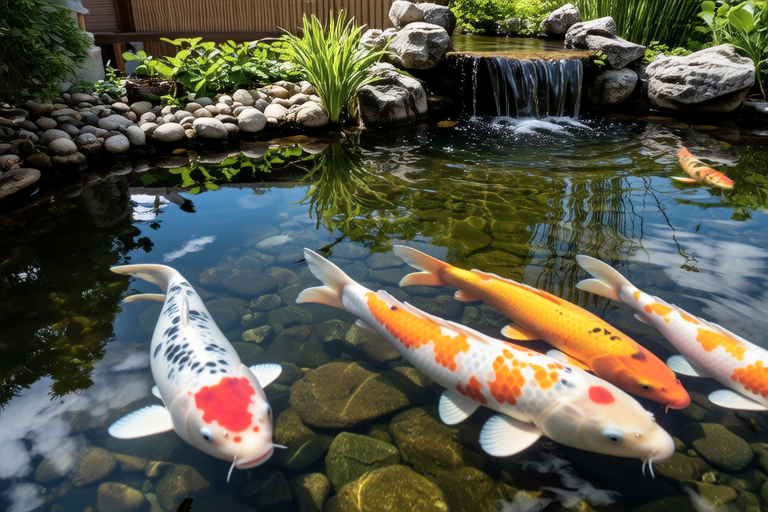
How to Create the Perfect Habitat for Your Koi Fish
Koi fish are beloved for their vibrant colors and graceful movements. To ensure your koi live long, healthy lives, it’s essential to create the perfect habitat. This guide will walk you through the steps necessary to set up an ideal environment for your aquatic companions.
Selecting the Right Pond Size and Shape
The first step in creating a perfect habitat for your koi fish is choosing the right pond size and shape. The general rule of thumb is to have at least 100 gallons of water per inch of fully grown koi. A larger pond allows more space for swimming and better water quality management.
Shape-wise, irregular shapes with plenty of nooks and crannies are preferable as they provide hiding spots and reduce stress for your koi. Depth is also crucial; aim for a minimum depth of 3 feet (91 cm) to maintain stable temperatures and prevent freezing during colder months.
Proper Filtration Systems
Filtration is key to keeping your pond clean and free from harmful substances. A good filtration system should include mechanical, biological, and chemical filtration components. Mechanical filters remove debris like leaves and uneaten food, while biological filters house beneficial bacteria that break down ammonia and nitrites into less toxic forms. Chemical filtration helps eliminate dissolved organic compounds that can lead to murky water.
When selecting a filter, consider its flow rate relative to your pond volume. Aim for a turnover rate of approximately one complete water cycle every two hours. Additionally, choose a filter that matches the overall design and aesthetics of your pond.
Maintaining Water Quality
Regular monitoring and maintenance of water parameters are vital for maintaining a healthy pond ecosystem. Test your water regularly for pH levels, ammonia, nitrite, nitrate, and hardness. Ideal pH range for koi ponds is between 7.0 and 8.5. Ammonia and nitrite should always read zero, while nitrates should be kept below 50 ppm.
To maintain these levels, perform partial water changes weekly or bi-weekly, depending on the stocking density and feeding rates. Use dechlorinated tap water or rainwater if possible. Also, ensure adequate aeration to prevent stagnation and promote oxygen exchange.
Suitable Aeration Methods
Adequate oxygen supply is critical for koi health. Oxygen enters the water primarily through surface agitation caused by wind, splashing, and waterfall features. However, especially during hot summer days when oxygen solubility decreases, additional aeration becomes necessary.
Consider installing an air pump connected to diffusers placed along the bottom of the pond. These devices release tiny bubbles that increase surface area contact between air and water, enhancing gas exchange. Alternatively, submerged waterfalls or fountain heads can serve dual purposes of aesthetics and aeration.
Beneficial Plants for the Ecosystem
Introducing aquatic plants into your pond not only adds beauty but also supports the overall health of the ecosystem. Plants help control algae growth by competing for nutrients and providing shade, reducing excessive sunlight exposure which can cause overheating.
Popular choices include water lilies, lotus, iris, and pickerelweed. Floating plants such as duckweed and azolla float on the surface, offering cover for fry and small fish. Submerged oxygenators like hornwort and elodea add oxygen to the water through photosynthesis and serve as spawning grounds for fish.
Ideal Temperature Ranges
Koi prefer water temperatures ranging from 65°F to 80°F (18°C to 27°C). Below 50°F (10°C), their metabolism slows down significantly, making them more susceptible to diseases. Above 85°F (29°C), they become lethargic and may experience heat stress.
To maintain optimal temperatures, especially during extreme seasons, consider adding a heater for cold periods and shading solutions for warm ones. Solar shades, floating plant mats, and strategically positioned trees can all help regulate temperature fluctuations.
Protection From Predators and Harsh Weather
Koi are attractive prey for various animals including herons, raccoons, cats, and even some birds. Protecting them involves physical barriers such as netting over the pond, predator deterrents like motion-activated sprinklers, and natural camouflage techniques like integrating rocks and plants around the perimeter.
During winter, ensure your pond doesn’t freeze solid by maintaining an open hole in the ice for gas exchange. This can be achieved using a de-icer or bubbler. In summer, provide shaded areas to prevent overheating.
Dietary Needs for Optimal Health
Feeding koi a balanced diet rich in protein, fats, carbohydrates, vitamins, and minerals ensures they remain healthy and vibrant. High-quality commercial pellets formulated specifically for koi are usually sufficient. Feed according to the temperature – less frequently when it’s cooler and more often when warmer.
Vary their diet occasionally with treats like freeze-dried krill, tubifex worms, or spirulina flakes. Avoid overfeeding as excess food decomposes quickly, leading to poor water quality.
In conclusion, setting up the perfect habitat for your koi requires careful planning and ongoing attention. By following these guidelines, you’ll provide your koi with a safe, comfortable home where they can thrive and bring joy to your garden.