
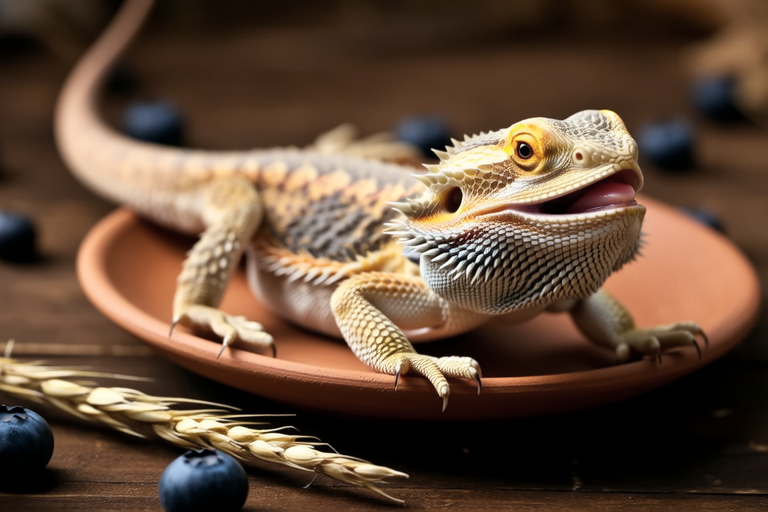
How to Make Your Bearded Dragon Fall in Love with You
Welcome to this comprehensive guide on how to foster a strong bond with your bearded dragon. Whether you’re a first-time owner or have been keeping these fascinating creatures for years, understanding their behavior, needs, and preferences is key to building a loving relationship. In this article, we’ll cover everything from creating a comfortable habitat to gentle handling techniques, all aimed at helping you and your bearded dragon develop a deep connection.
Understanding Bearded Dragon Behavior
Before diving into bonding techniques, it’s essential to understand your bearded dragon’s natural behaviors. Bearded dragons (Pogona vitticeps) are native to Australia and are known for their calm demeanor and curiosity. They are solitary animals in the wild, but with proper care and socialization, they can form strong bonds with humans.
One of the most noticeable behaviors is their ability to puff out their throat when feeling threatened or excited. This is where the term ‘bearded dragon’ comes from. Additionally, they may change the color of their skin to communicate their mood or regulate their body temperature. Understanding these behaviors helps you interpret your pet’s feelings and respond appropriately.
Bearded dragons are also crepuscular, meaning they are most active during twilight hours. This is when they will typically search for food and engage in other activities. Knowing their activity patterns allows you to interact with them at the best times.
Creating a Comfortable Habitat
A well-designed habitat is crucial for your bearded dragon’s health and happiness. The environment should mimic their natural habitat as closely as possible, providing a space that encourages exploration and comfort.
The enclosure should be large enough to allow movement and include a variety of climbing structures like branches and rocks. A basking area is essential, equipped with a heat lamp to maintain the right temperature gradient. Bearded dragons need a warm spot around 95-105°F and a cooler side around 75-85°F. Proper lighting is also vital; UVB light is necessary for calcium absorption and overall health.
In addition to temperature and lighting, substrate choice is important. Avoid loose substrates like sand, which can cause impaction if ingested. Instead, opt for safer alternatives like reptile carpet or paper towels.
Establishing a Routine for Interaction
Consistency is key when trying to build a relationship with your bearded dragon. Establishing a regular schedule for feeding, cleaning, and playtime can help your dragon feel secure and anticipate your presence.
During each interaction, spend time simply observing your dragon. Watch how they move around the enclosure, what areas they prefer, and how they react to different stimuli. This not only helps you understand your pet better but also builds trust over time.
Gradually introduce more hands-on interactions, such as offering treats or gently handling your dragon. Always approach slowly and avoid sudden movements that might startle them.
Offer Favorite Foods as Treats
Food is often the quickest way to a reptile’s heart. Bearded dragons are omnivores and enjoy a varied diet consisting of insects and vegetables. Offering small portions of their favorite foods as treats can strengthen the bond between you and your pet.
Popular insect choices include crickets, dubia roaches, and mealworms. Vegetables like bell peppers, carrots, and leafy greens should be offered regularly. Always ensure that any food items are appropriately sized for your dragon to prevent choking hazards.
Feeding your dragon by hand can be a rewarding experience. Start by placing food on a spoon or tongs, allowing your dragon to associate your hand with positive experiences. Gradually, you can offer food directly from your fingers, reinforcing the idea that you are a source of good things.
Gentle Handling Techniques
Handling your bearded dragon should always be done carefully and with respect for their boundaries. Start by ensuring your hands are clean and free of any strong odors or chemicals that could upset your dragon.
When picking up your dragon, support its entire body by placing one hand under its chest and the other under its hindquarters. Avoid squeezing or lifting them too high off the ground. Let them get used to being held gradually, extending the duration of each session over time.
Some bearded dragons may initially resist handling or attempt to escape. Stay patient and calm, allowing them to adjust at their own pace. With consistent, gentle handling, many dragons will eventually become comfortable and even enjoy being held.
Signs of Bonding
As you work towards building a bond with your bearded dragon, look out for certain signs that indicate progress:
- Approaching the enclosure edge: If your dragon begins to come to the front of the enclosure when you approach, it’s a sign they recognize and trust you.
- Relaxed posture: When handled, a relaxed dragon will have smooth, even breathing and may even close its eyes.
- Decreased puffing: As trust grows, your dragon may puff out its beard less frequently in your presence.
- Accepting treats: A dragon that eagerly takes food from your hand is showing signs of affection and comfort around you.
Each dragon is unique, so pay attention to individual differences and celebrate small victories along the way.
Maintaining Patience and Consistency
Building a strong bond with your bearded dragon takes time and effort. It’s important to remain patient and consistent in your efforts to build trust.
Every interaction, no matter how brief, contributes to the relationship. Even if your dragon seems indifferent or resistant at first, continue offering gentle encouragement. Over time, the cumulative effect of your efforts will lead to greater trust and companionship.
Remember, some bearded dragons may never fully adapt to handling or close contact. This does not mean your efforts were unsuccessful; it simply means that your dragon has its own personality and preferences. Respect those boundaries while continuing to provide a loving and enriching environment.
Conclusion
Cultivating a loving relationship with your bearded dragon involves understanding their behaviors, creating a comfortable home, establishing routines, offering treats, using gentle handling techniques, recognizing signs of bonding, and maintaining patience and consistency. By following these guidelines, you can create a rewarding partnership with your scaly friend. Remember, every interaction counts, and with time and dedication, you can watch your bearded dragon fall in love with you.