
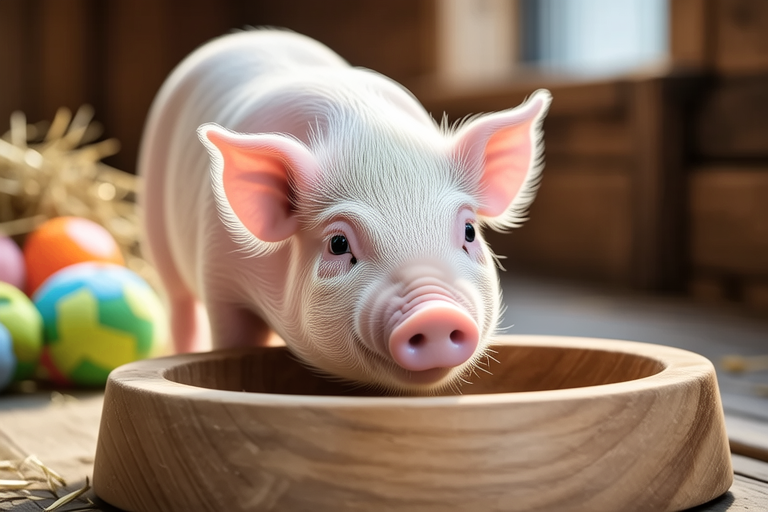
Dual Perceptions of Mini Pig Ownership
Mini pigs have gained popularity as unconventional pets, captivating hearts with their cute appearance and unique personalities. However, owning a mini pig comes with challenges that potential owners must consider. This article explores the dual perceptions of mini pig ownership, highlighting both the adorable and challenging aspects.
The Initial Attraction: Why People Fall in Love with Mini Pigs
Mini pigs often attract potential owners with their small size and charming faces. They look like oversized toys, making them irresistible. Their gentle demeanor and playful nature also appeal to many. These animals can be incredibly affectionate, seeking out human interaction and forming strong bonds with their owners.
Mini pigs are highly intelligent creatures, capable of learning tricks and commands. Their intelligence makes training an enjoyable experience. Owners find satisfaction in teaching their pigs new skills, such as fetching, sitting, or even using a litter box. The mental stimulation provided by training sessions benefits both the owner and the pig.
Unique Behaviors and Intelligence
Mini pigs exhibit fascinating behaviors that set them apart from other pets. They are social animals that thrive in the company of others, whether it’s humans or fellow pigs. Mini pigs enjoy playing games, exploring their environment, and engaging in activities that stimulate their minds. Owners report that their pigs display curiosity and problem-solving abilities, often finding creative ways to access treats or escape enclosures.
Despite their small size, mini pigs require significant space to roam and exercise. Providing ample room allows them to engage in natural behaviors, promoting physical and mental well-being. A spacious living area ensures they have enough space to move around freely and maintain a healthy weight.
Care Requirements: Housing, Diet, and Health Considerations
Proper housing is essential for mini pigs’ comfort and well-being. Owners must provide a safe, comfortable living space that meets their pigs’ needs. Indoor living areas should include soft bedding, toys, and a designated feeding area. Outdoor spaces should offer shade, shelter, and opportunities for exercise. Owners must ensure their pigs have access to fresh water and a balanced diet.
Diet plays a crucial role in mini pig health and longevity. Owners must carefully select food that provides adequate nutrition without causing obesity. A diet rich in vegetables, fruits, and grains is ideal. Owners should avoid feeding mini pigs processed foods or excessive amounts of carbohydrates. Regular meals and portion control help maintain a healthy weight and prevent obesity-related health issues.
Health considerations are paramount when caring for mini pigs. Owners should consult veterinarians specializing in exotic animals to ensure proper healthcare. Regular check-ups, vaccinations, and preventive care are necessary to keep pigs healthy. Owners must be vigilant about signs of illness and seek veterinary attention promptly if needed. Proper hygiene practices, such as regular cleaning of living areas and toys, contribute to overall health.
The Emotional Bond: Building a Strong Connection
Owning a mini pig fosters a deep emotional bond between the animal and its owner. Mini pigs are affectionate and attentive companions, providing comfort and companionship. Owners often describe their pigs as loyal and devoted, forming close relationships with their human families. The bond between owner and pig can be incredibly rewarding, offering companionship and emotional support.
Mini pigs have unique personalities that add to the joy of ownership. Each pig has its own quirks, preferences, and mannerisms. Owners find it delightful to get to know their pigs and understand their individual traits. The relationship between owner and pig can be mutually enriching, with both parties benefiting from companionship and shared experiences.
Common Misconceptions About Mini Pigs
Many people hold misconceptions about mini pigs, which can lead to unrealistic expectations. One common misconception is that mini pigs remain small throughout their lives. In reality, mini pigs can grow to weigh up to 75 pounds, depending on breed and genetics. Another misconception is that mini pigs are low-maintenance pets. While mini pigs can be loving and affectionate, they require significant time, effort, and resources to care for properly.
Some people believe that mini pigs can live in small apartments or homes without proper outdoor space. However, mini pigs need ample room to roam and exercise, both indoors and outdoors. Providing sufficient space ensures their physical and mental well-being. It’s important for potential owners to research and prepare adequately before bringing a mini pig into their home.
Real-Life Experiences: Insights from Current Owners
Current mini pig owners share their experiences, offering valuable insights into the joys and challenges of ownership. Many owners emphasize the importance of patience and consistency in training. They recommend setting clear boundaries and expectations early on to establish good behavior. Positive reinforcement techniques, such as treats and praise, work well for mini pigs.
Owners also stress the significance of proper socialization. Mini pigs benefit from exposure to different environments, people, and animals. Socialization helps them become well-adjusted and confident. Owners encourage potential owners to take their time and gradually introduce their pigs to new experiences. Patience and gradual exposure contribute to a well-rounded and adaptable pig.
Many owners highlight the importance of understanding mini pigs’ needs and limitations. They emphasize the need for a balanced diet, regular exercise, and mental stimulation. Owners recommend incorporating puzzle feeders and interactive toys to keep pigs engaged and entertained. Providing a stimulating environment promotes physical and mental well-being.
Owners also discuss the emotional bond formed with their mini pigs. Many describe their pigs as loyal and devoted companions, providing comfort and companionship. The relationship between owner and pig can be incredibly rewarding, offering companionship and emotional support. Owners appreciate the unique personalities and quirks of their pigs, finding joy in getting to know them and understanding their individual traits.
Conclusion: Weighing the Rewards and Challenges
Owning a mini pig offers numerous rewards, including companionship, affection, and a unique pet. However, it also presents challenges that require careful consideration. Potential owners must be prepared for the responsibilities associated with mini pig ownership, including housing, diet, and health considerations. By understanding the unique needs and behaviors of mini pigs, owners can provide a loving and supportive environment that promotes their physical and emotional well-being.
Mini pigs are fascinating animals that bring joy and companionship to their owners. With proper care and attention, they can thrive and become cherished members of the family. Potential owners should research thoroughly and consult experienced owners and veterinarians to ensure they are fully prepared for the responsibilities of mini pig ownership. Owning a mini pig can be a rewarding experience, but it requires dedication, commitment, and a willingness to embrace the challenges that come with it.