
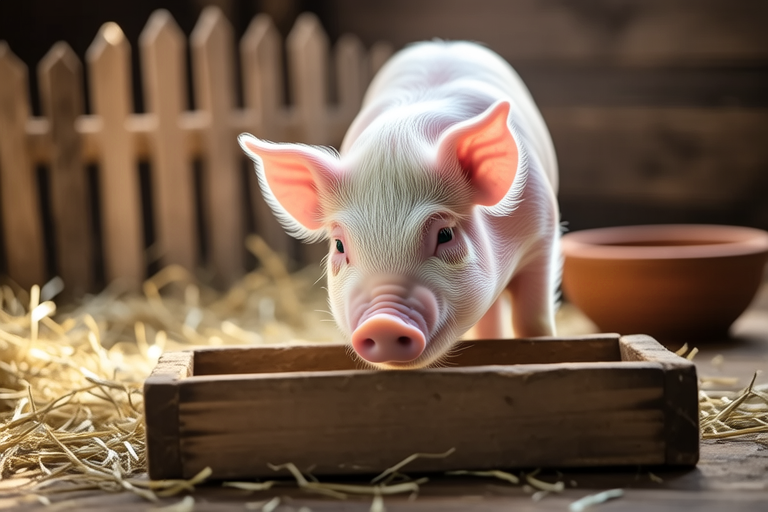
Mini Pigs Unleashed: Debunking Myths About These Small but Stubborn Pets
Mini pigs have become increasingly popular pets in recent years, captivating the hearts of many with their unique charm and personality. These pint-sized creatures are often mistaken for being merely cute and cuddly, but they are far more complex and intelligent than most people realize. Mini pigs are known for their curious nature, playful demeanor, and strong will, making them both delightful and challenging companions. Despite their growing popularity, there are numerous misconceptions about these small yet stubborn pets that need to be addressed.
The Fascinating World of Mini Pigs
Mini pigs, also known as teacup, micro, or pot-bellied pigs, come in various breeds and sizes, though they are generally much smaller than their standard pig counterparts. While some may reach up to 75 pounds, most mini pigs weigh between 30 to 60 pounds when fully grown. Their small stature, combined with their expressive faces and endearing personalities, has made them a favorite among pet lovers. However, it’s important to note that mini pigs are not just miniature versions of regular pigs; they possess distinct traits that set them apart.
One of the most remarkable aspects of mini pigs is their intelligence. They are highly curious and capable of learning new tricks and commands. Mini pigs can even be trained to use a litter box, walk on a leash, and perform various tasks. This level of intelligence makes them fascinating companions, but it also requires consistent training and patience from their owners.
Debunking Common Myths
Myth 1: Mini Pigs Stay Tiny Forever
One of the most widespread misconceptions about mini pigs is that they remain small throughout their lives. This myth likely stems from the term ‘mini,’ which implies perpetual smallness. In reality, mini pigs, like all animals, grow to a certain size depending on their breed and genetics. It’s crucial for potential owners to understand that mini pigs can grow significantly larger than expected, especially if not provided with proper nutrition and care.
Research and consult with reputable breeders or veterinarians to get accurate information about the expected adult size of your mini pig. Proper feeding and monitoring their growth can help ensure they don’t exceed their ideal weight range.
Myth 2: Mini Pigs Are Low-Maintenance Pets
Another common misconception is that mini pigs require minimal attention and care. While they may not need as much space or exercise as larger livestock, mini pigs still demand significant time and effort from their owners. Providing a stimulating environment, proper diet, and regular health check-ups are essential for keeping your mini pig healthy and happy.
Mini pigs are social animals and thrive on interaction with their human family. They need mental stimulation through toys, puzzles, and activities to prevent boredom and destructive behaviors. Additionally, regular grooming, including nail trimming and ear cleaning, is necessary to maintain their overall well-being.
Myth 3: Mini Pigs Are Always Friendly and Gentle
While mini pigs are generally gentle and affectionate, they can exhibit stubborn or aggressive behavior if not properly socialized or handled correctly. Like any other animal, mini pigs have their own personalities and temperaments. Some may be shy and reserved, while others can be outgoing and boisterous. It’s important to understand that these behaviors are normal and part of their natural instincts.
Proper socialization and positive reinforcement training are key to fostering a well-behaved and loving mini pig. Early exposure to different environments, people, and situations can help prevent behavioral issues later on. Consistent and patient training methods, such as clicker training, can effectively teach your mini pig good manners and desired behaviors.
Tips for Potential Owners
Dietary Needs
Feeding your mini pig a balanced and nutritious diet is crucial for maintaining their health and longevity. A typical mini pig diet should consist of high-quality pig pellets, fresh vegetables, fruits, and limited amounts of grains. Avoid feeding them sugary treats or processed foods, as these can lead to obesity and other health problems. Consult with a veterinarian to determine the appropriate portion sizes and nutritional requirements based on your mini pig’s age, weight, and activity level.
Living Conditions
Mini pigs require a safe and comfortable living environment that provides ample space for movement and play. Indoor living is preferable, especially in colder climates, as mini pigs are sensitive to extreme temperatures. If you have outdoor space, ensure it is securely fenced and offers shade, water, and shelter from harsh weather conditions.
Providing a designated area for sleeping and resting is also important. Mini pigs enjoy cozy, warm spots where they can relax and feel secure. Consider using soft bedding materials, such as straw or blankets, to create a comfortable sleeping environment.
Healthcare and Maintenance
Regular veterinary check-ups are vital for preventing and addressing any health issues your mini pig may encounter. Vaccinations, deworming, and routine examinations are essential for maintaining their overall well-being. Additionally, keep an eye out for signs of illness, such as lethargy, loss of appetite, or changes in behavior, and seek prompt medical attention if needed.
Grooming your mini pig regularly is another important aspect of their care. Brush their coat weekly to remove dirt and loose hair, and trim their nails every few weeks to prevent overgrowth. Cleaning their ears and checking for any signs of infection is also recommended.
The Joys of Mini Pig Ownership
Owning a mini pig can be an incredibly rewarding experience for those who are prepared to meet their needs and challenges. These intelligent and social animals form strong bonds with their human families and can provide endless joy and companionship. Watching your mini pig learn new tricks, play with toys, or simply curl up next to you for a nap can bring immense happiness and satisfaction.
It’s important to remember that responsible ownership is key to ensuring the well-being of your mini pig. By educating yourself on their unique needs and dedicating time and effort to their care, you can provide a loving and fulfilling home for your mini pig companion.
Conclusion
Mini pigs are fascinating creatures with unique characteristics and personalities that make them wonderful pets. While there are many misconceptions surrounding these small but stubborn animals, understanding their true nature and requirements can help dispel these myths and promote responsible ownership. By providing proper care, attention, and love, you can enjoy the countless joys of having a mini pig as a pet. Embrace the challenge and reward of mini pig ownership, and you’ll be rewarded with a loyal and loving companion for years to come.