
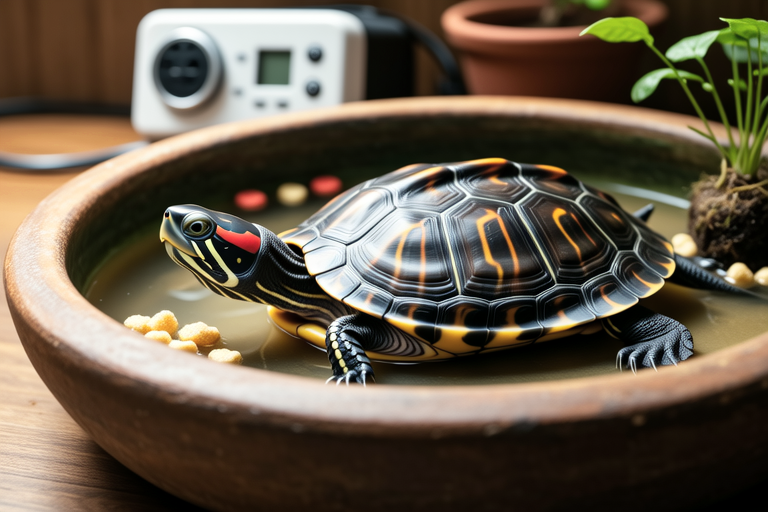
Red-eared Slider Care Tips Every Owner Should Know Before Buying One
The red-eared slider (Trachemys scripta elegans) is one of the most popular pet turtle species worldwide. Known for their striking red markings behind the eyes and their relatively hardy nature, these semi-aquatic turtles have captured the hearts of many turtle enthusiasts. However, owning a red-eared slider comes with significant responsibilities that potential owners must be fully prepared for. This article aims to provide you with essential information about red-eared slider care, helping you make an informed decision before bringing one home.
Understanding Red-eared Sliders
Red-eared sliders are native to the southern United States and northeastern Mexico. They are named for the distinctive red stripe behind each eye. These turtles are omnivorous, feeding on both plant and animal matter, and they thrive in warm, shallow waters. Their popularity as pets stems from their attractive appearance and manageable size when compared to some other turtle species. However, it’s important to note that these turtles can live for decades, so commitment is key.
Essential Factors to Consider Before Purchase
Space Requirements
One of the first considerations for potential owners is the space required for a red-eared slider. As juveniles, they may seem small enough to fit into a standard aquarium, but adult red-eared sliders can grow up to 14 inches in length. A general rule of thumb is to provide at least 10 gallons of water per inch of shell length for the turtle. Therefore, an adult turtle would require approximately 140 gallons of water, along with additional space for basking and land areas. Proper setup ensures the turtle’s comfort and well-being.
Proper Tank Setup
A well-designed tank setup is crucial for the health and happiness of your red-eared slider. The tank should have both aquatic and terrestrial components. The aquatic area should be deep enough for swimming and equipped with a filtration system to maintain water quality. The basking area, which is vital for thermoregulation and digestion, should be easily accessible and outfitted with a UVB light source for vitamin D synthesis.
Water Quality Maintenance
Maintaining clean water is paramount for the health of your red-eared slider. Regular partial water changes, typically around 20% weekly, help control ammonia and nitrite levels. Utilize a reliable filtration system to keep the water clear and free of debris. Additionally, ensure the water temperature remains between 75°F and 80°F (24°C to 27°C) using a submersible heater. Monitoring pH levels is also recommended; red-eared sliders prefer slightly acidic water, around 6.5 to 7.5.
Dietary Needs
Red-eared sliders are omnivores, requiring a balanced diet of protein and vegetation. Juveniles need more protein than adults, often in the form of commercial turtle pellets, insects, and occasional earthworms. As they mature, their diet shifts towards more plant-based foods like leafy greens, vegetables, and fruits. It’s essential to offer a variety of foods to ensure all nutritional requirements are met. Feeding should be done in a designated feeding area within the tank to prevent water contamination.
Tips on Handling and Socializing
Handling red-eared sliders requires care and attention to avoid stress and injury. Always wash your hands before and after handling to prevent the spread of bacteria. Gently lift the turtle from its basking area or water, supporting its body firmly but gently. Avoid handling young turtles excessively as they need time to adjust to their environment.
Socialization is another aspect to consider. While red-eared sliders are generally solitary animals, they can become accustomed to interaction with their owners. Regular, gentle handling can help them feel more comfortable around people, though it’s important to respect their boundaries. Providing enrichment through varied environments and interactions can also enhance their overall well-being.
Common Health Issues and Prevention
Like any pet, red-eared sliders are susceptible to certain health issues. Respiratory infections, shell rot, and metabolic bone disease are among the most common problems. Respiratory infections can occur due to poor water quality or temperatures that are too cold. Shell rot is often caused by bacteria thriving in dirty water or rough handling. Metabolic bone disease results from insufficient calcium intake or lack of UVB lighting.
To prevent these issues, maintain pristine water conditions, provide a balanced diet rich in calcium, and ensure adequate lighting. Regular veterinary check-ups can also help catch potential problems early. Observing your turtle’s behavior and physical condition daily can alert you to any changes that might indicate illness.
Further Education and Resources
Becoming a responsible red-eared slider owner involves continuous learning. Books, online forums, and local reptile clubs are excellent resources for further education. Joining a community of fellow turtle enthusiasts can provide support and valuable insights. Additionally, consulting with experienced veterinarians specializing in exotic pets can offer personalized guidance tailored to your specific turtle’s needs.
Remember, owning a red-eared slider is a long-term commitment that requires dedication and knowledge. By thoroughly understanding their needs and providing appropriate care, you can ensure your turtle lives a healthy and happy life.