
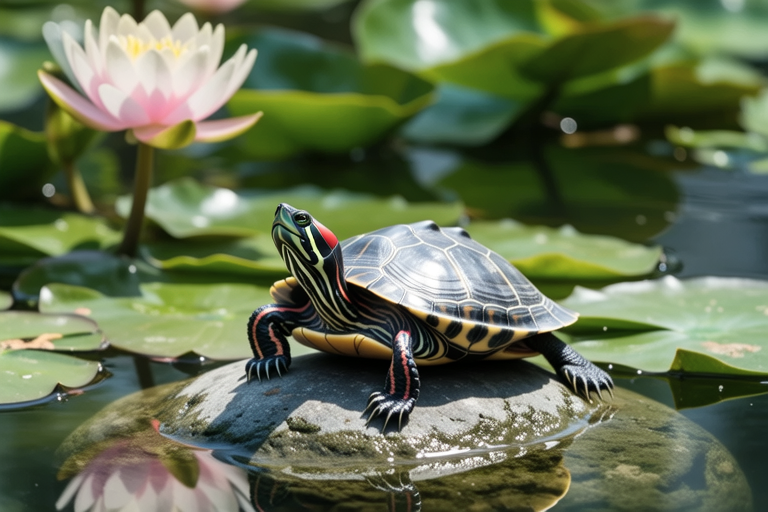
Transform Your Backyard Pond into a Red-Eared Slider Paradise
Welcome to the wonderful world of red-eared slider turtles! These charming reptiles make delightful pets, but they require specific environmental conditions to thrive. By transforming your backyard pond into a red-eared slider paradise, you can provide them with the perfect habitat that will keep them happy and healthy. This guide will walk you through the steps to create an ideal pond environment, ensuring your red-eared sliders have everything they need to flourish.
Selecting the Ideal Pond Size and Location
The first step in creating a red-eared slider paradise is choosing the right pond size and location. Red-eared sliders are semi-aquatic turtles that spend a significant amount of time both in and out of the water. Therefore, it’s crucial to ensure there is ample space for them to swim and bask. A general rule of thumb is to provide at least 10 gallons of water per inch of shell length for each turtle. For adult red-eared sliders, this means a minimum pond volume of around 100 gallons.
When selecting a location for your pond, consider factors such as sunlight exposure, proximity to your home, and ease of access for maintenance. Red-eared sliders need about 8 to 12 hours of direct sunlight daily, so choose a spot that receives plenty of natural light. However, avoid placing the pond in areas that experience extreme temperature fluctuations or excessive wind. Additionally, positioning the pond near your home makes it easier to monitor and maintain.
Necessary Water Quality Parameters
Maintaining optimal water quality is essential for the health of your red-eared sliders. The following parameters should be monitored regularly:
- Temperature: Red-eared sliders prefer water temperatures between 75°F and 80°F (24°C and 27°C). Use a submersible heater if necessary to maintain these temperatures, especially during cooler months.
- pH Level: The ideal pH range for red-eared sliders is between 6.5 and 8.0. Regular testing and adjustments may be required to keep the pH within this range.
- Ammonia and Nitrite Levels: Both ammonia and nitrite levels should remain undetectable. High levels of these compounds can be toxic to turtles. A properly cycled pond with adequate filtration will help maintain safe levels.
- Nitrate Levels: While not as immediately harmful as ammonia and nitrite, high nitrate levels can still stress turtles over time. Aim to keep nitrates below 40 ppm.
Proper Filtration Systems
A reliable filtration system is critical for maintaining clean and healthy pond water. Choose a filter that provides mechanical, biological, and chemical filtration. Mechanical filtration removes debris from the water, biological filtration supports beneficial bacteria that break down waste, and chemical filtration helps control odors and discoloration.
In addition to a filter, consider installing a UV sterilizer. UV sterilizers kill harmful microorganisms, further enhancing water quality. Regular cleaning of filters and the pond itself is also necessary to prevent the buildup of organic matter.
Recommended Aquatic Plants
Introducing aquatic plants into your pond offers numerous benefits for red-eared sliders. Plants provide shade, oxygenate the water, and offer hiding spots for turtles. Some excellent plant choices include:
- Cabomba: Also known as fanwort, cabomba creates dense foliage that serves as both shelter and food for turtles.
- Eelgrass: Eelgrass is a robust, fast-growing plant that thrives in shallow waters and adds aesthetic appeal to the pond.
- Anacharis: Anacharis, or waterweed, is easy to grow and provides a natural habitat for turtles.
- Lilies: Water lilies add beauty to the pond and their broad leaves offer resting places for turtles.
Remember to select plants that are non-toxic and safe for turtles. Avoid any plants labeled as poisonous or invasive.
Suitable Basking Areas
Basking is an essential behavior for red-eared sliders. They need dry land where they can fully extend their limbs and shells to absorb warmth and ultraviolet light. Designate a portion of your pond specifically for basking. This area should be easily accessible from the water and positioned to receive maximum sunlight.
Popular basking platforms include:
- Driftwood: Driftwood provides a natural look and is lightweight, making it easy for turtles to climb onto.
- Logs: Logs offer stability and can be arranged in various configurations to suit different pond designs.
- Commercial Basking Platforms: Commercially available platforms come in various shapes and sizes, ensuring a secure and comfortable basking spot for your turtles.
Ensure that the basking area is large enough to accommodate all of your turtles comfortably. It’s also important to place the basking area in a location where it won’t become submerged during heavy rainfall or flooding.
A Balanced Diet for Red-Eared Sliders
Feeding your red-eared sliders a well-balanced diet is crucial for their overall health and longevity. A combination of commercial turtle pellets, fresh vegetables, and occasional live or frozen foods will provide the nutrients they need.
- Turtle Pellets: High-quality commercial turtle pellets serve as the foundation of a red-eared slider’s diet. Look for pellets formulated specifically for aquatic turtles, ensuring they contain the appropriate balance of proteins, fats, vitamins, and minerals.
- Vegetables: Offer leafy greens like romaine lettuce, dandelion greens, and kale. Carrots, squash, and peas can also be included occasionally. Ensure all vegetables are thoroughly washed before feeding.
- Live and Frozen Foods: Treat your turtles with occasional servings of live or frozen insects, worms, or small fish. This variety can help stimulate appetite and provide additional protein.
Feed your turtles every other day, providing only as much food as they can consume within 15 minutes. Overfeeding can lead to obesity and poor water quality.
Common Challenges and Solutions
Despite best efforts, challenges may arise when maintaining a red-eared slider pond. Here are some common issues and their solutions:
- Shell Rot: Shell rot occurs when the shell becomes infected, often due to poor water quality or injury. Maintain clean water and promptly treat any injuries to prevent infections.
- Fungal Infections: Fungal infections can affect both the skin and shell. Keep the water clean and use antifungal treatments as directed by a veterinarian.
- Metabolic Bone Disease: This condition results from calcium deficiency. Provide a calcium block in the water and supplement the diet with calcium-rich foods.
- Predator Threats: Protect your pond from predators such as raccoons, herons, and cats. Consider installing a fence or netting around the pond.
Conclusion
By following these guidelines, you can create a thriving habitat for your red-eared sliders in your backyard pond. Remember that patience and attention to detail are key. With proper care and regular maintenance, your pond will become a haven for these fascinating creatures, ensuring they live long, healthy lives. Whether you’re a beginner or an experienced turtle owner, transforming your backyard pond into a red-eared slider paradise is a rewarding endeavor that brings joy and relaxation to your outdoor space.