
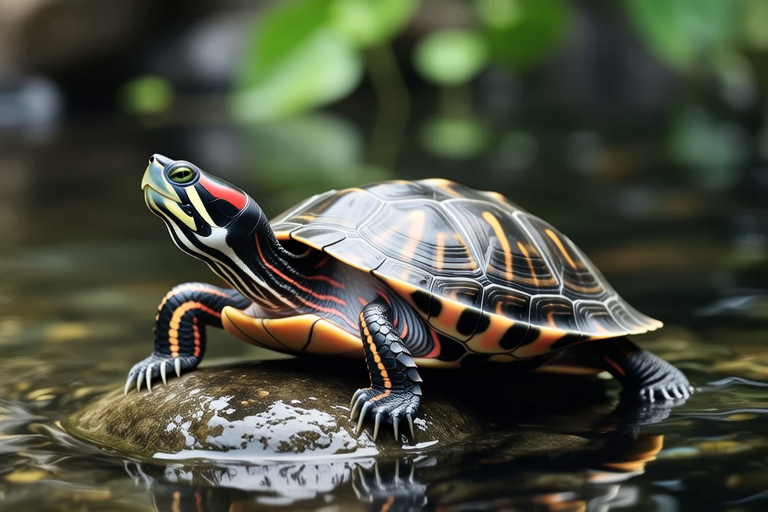
Aquatic Adventures: Everything You Need to Know About Red-eared Sliders
Welcome to Aquatic Adventures, your ultimate guide to understanding and caring for red-eared sliders. These popular aquatic turtles are beloved by many for their vibrant personalities and unique characteristics. Whether you’re a first-time owner or a seasoned enthusiast, this comprehensive article will provide you with all the essential information you need to know about these captivating creatures.
Habitat
Red-eared sliders (Trachemys scripta elegans) are native to the southeastern United States but have been introduced to various parts of the world through the pet trade. They thrive in freshwater environments such as ponds, lakes, and slow-moving rivers with ample basking areas. These turtles require both water and land to survive, making it crucial for pet owners to recreate this environment at home. A well-balanced setup includes a spacious tank with a basking area where the turtle can dry off and regulate its body temperature. Water quality is also vital; regular water changes and filtration systems help maintain a healthy aquatic environment.
Diet
The diet of a red-eared slider consists mainly of animal and plant matter. In the wild, they consume insects, small fish, snails, and aquatic plants. As pets, their diet should mimic this balance. Younger turtles tend to eat more protein-rich foods like commercial turtle pellets, freeze-dried krill, and occasional live feeder fish. As they mature, their diet shifts towards a higher proportion of vegetables and fruits. Offer a variety of leafy greens, carrots, and squash. It’s important to avoid overfeeding and ensure that any food items are appropriate for their size to prevent choking hazards.
Lifespan
Red-eared sliders have impressive lifespans, often living between 20 to 40 years in captivity when provided with proper care. Factors influencing longevity include genetics, environmental conditions, and diet. Ensuring optimal health throughout their lives requires consistent attention to their habitat and dietary needs. Regular veterinary check-ups can also contribute to extending their lifespan by catching potential health issues early.
Care Tips for Owners
Owning a red-eared slider comes with responsibilities. Proper housing is critical; a juvenile slider needs at least 10 gallons of water per inch of shell length, while adults require significantly larger enclosures. Heating and lighting are equally important. UVB lights promote vitamin D synthesis, which aids calcium absorption essential for shell growth. Heat lamps or under-tank heaters maintain the preferred water temperature range of 75-85°F (24-29°C). Additionally, providing hiding spots within the tank helps reduce stress and encourages natural behaviors.
Common Health Issues
Like any pet, red-eared sliders face specific health challenges. Metabolic bone disease (MBD), caused by insufficient calcium intake or lack of UVB light, leads to weakened bones and shells. Shell rot, a bacterial infection affecting the carapace or plastron, appears as discolored patches or soft spots. Respiratory infections may occur if the enclosure isn’t kept warm enough. Monitoring your turtle’s activity level, appetite, and overall appearance can help identify signs of illness early. Prompt action from a veterinarian specializing in reptiles can often resolve these issues effectively.
Behavior Changes With Age
As red-eared sliders grow older, their behavior evolves. Juveniles are more active and curious, frequently exploring their surroundings. Adult turtles become less energetic but remain alert. Senior sliders might spend more time basking due to decreased mobility. Understanding these behavioral shifts allows owners to adjust their care accordingly, ensuring continued comfort and happiness for their long-lived companions.
Further Reading and Resources
To deepen your knowledge about red-eared sliders, consider consulting books written by experts in herpetology. Organizations dedicated to turtle welfare offer valuable insights into best practices for keeping these animals healthy and happy. For instance, the Turtle Survival Alliance works tirelessly to protect endangered species worldwide. Local herpetological societies often host events where enthusiasts can share experiences and learn new techniques for caring for their pets.