
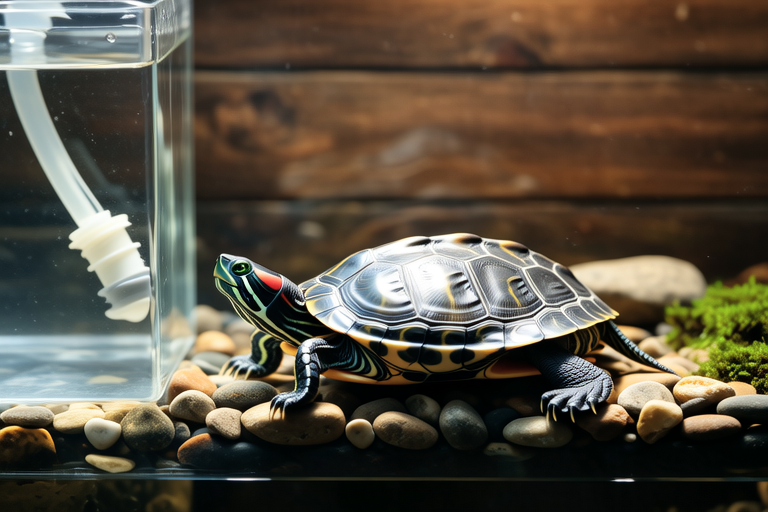
From Tank to Terrarium: Setting Up the Ultimate Habitat for Your Red-eared Slider
Red-eared sliders (Trachemys scripta elegans) are one of the most popular semi-aquatic turtle species kept as pets. Their vibrant colors, relatively low maintenance needs, and engaging behavior make them appealing to both novice and experienced reptile enthusiasts. However, setting up the right habitat is crucial for the well-being of your red-eared slider. This guide will walk you through the process of creating an optimal environment that closely resembles their natural habitat, ensuring your pet thrives.
Selecting the Appropriate Size Tank
The first step in setting up your red-eared slider’s habitat is choosing the right-sized tank or enclosure. A common misconception is that a young slider can be housed in a small aquarium. In reality, red-eared sliders grow rapidly, and their space requirements increase accordingly. For a hatchling, a 20-gallon tank is suitable, but by adulthood, they need at least 40 gallons per inch of shell length. Therefore, a fully grown adult requires a minimum of 120 gallons. Larger tanks provide more swimming room and better water quality.
Filtration Systems
Proper filtration is vital to maintaining clean and healthy water conditions. The filter should be powerful enough to handle the volume of water in the tank and remove waste products, uneaten food, and other debris. Canister filters or sump systems are often recommended for larger tanks due to their superior filtration capabilities. Additionally, ensure the filter has a biological component to support beneficial bacteria that break down harmful ammonia and nitrites.
Heating and Basking Requirements
Red-eared sliders require specific temperatures to regulate their metabolism and digestion. Water temperatures should remain between 75°F and 80°F (24°C to 27°C). Use submersible heaters placed away from the filter intake to avoid blockages. On the land area, maintain a basking spot with temperatures ranging from 90°F to 95°F (32°C to 35°C). An overhead heat lamp fitted with a ceramic heat emitter or a specialized reptile bulb serves this purpose.
Water Quality Maintenance
Maintaining pristine water quality is essential for preventing diseases and promoting longevity. Regular water changes—about 10% weekly—are necessary. Invest in a reliable water testing kit to monitor pH levels, ammonia, nitrite, and nitrate concentrations. High ammonia levels can be toxic, so prompt action is required if detected. Consider using dechlorinator when replacing water to neutralize harmful chemicals.
Substrate Options for Both Aquatic and Land Areas
Choosing appropriate substrates for both the aquatic and terrestrial zones is critical. For the water section, opt for smooth river rocks or sand-free gravel to prevent ingestion hazards. Avoid sharp-edged stones that could scratch delicate skin. In the dry area, coconut fiber, reptile carpet, or slate tiles work well. Ensure that any substrate used is easy to clean and does not retain moisture, which could lead to bacterial growth.
UV Lighting
UVB light is crucial for calcium absorption and overall bone health in red-eared sliders. Place a high-quality UVB-emitting bulb over the basking area, ensuring it covers approximately 50% of the surface. Replace bulbs every six months or as directed by the manufacturer, even if they appear functional, since UV output diminishes over time. Position the light so that it provides direct exposure during daylight hours.
Temperature Gradients
Creating a temperature gradient allows your turtle to thermoregulate effectively. Ensure there’s a cooler zone within the water and a warmer basking area. This setup encourages natural behaviors and supports metabolic functions. Monitor temperatures regularly using digital thermometers placed at various points throughout the enclosure.
Diet Considerations
A balanced diet rich in nutrients ensures proper growth and development. Offer a mix of commercial pellets designed for aquatic turtles along with fresh vegetables like romaine lettuce, dandelion greens, and occasional fruits such as berries. Protein sources can include earthworms, crickets, and mealworms. Feed young sliders daily, reducing frequency to every other day as they mature. Always provide fresh water alongside meals.
Tips for Ensuring Overall Health and Happiness
To keep your red-eared slider healthy and happy, follow these additional tips:
- Regular veterinary check-ups help catch potential issues early.
- Monitor weight gain and shell condition periodically.
- Provide enrichment activities like floating logs or tunnels.
- Handle your turtle gently to minimize stress.
Common Pitfalls in Setup and Care
Avoid these common mistakes:
- Overcrowding the tank leads to poor water quality.
- Ignoring water quality parameters results in illness.
- Lack of UVB lighting causes metabolic bone disease.
- Inconsistent temperature ranges disrupt normal behaviors.
By addressing these potential problems proactively, you set yourself up for success in providing excellent care.
Practical Advice for New Owners and Seasoned Herpetologists Alike
New owners should take time to research extensively before purchasing equipment and supplies. Join online forums or local clubs where experienced hobbyists share insights and resources. Seasoned herpetologists might benefit from exploring advanced setups or participating in breeding programs. Regardless of experience level, continuous learning fosters better understanding and improved husbandry practices.
In conclusion, creating an ideal habitat for your red-eared slider involves careful planning and attention to detail. By focusing on appropriate tank size, efficient filtration, adequate heating and lighting, and thoughtful dietary choices, you create a nurturing environment that mirrors their natural surroundings. With dedication and knowledge, you’ll enjoy watching your pet thrive in its new home.