
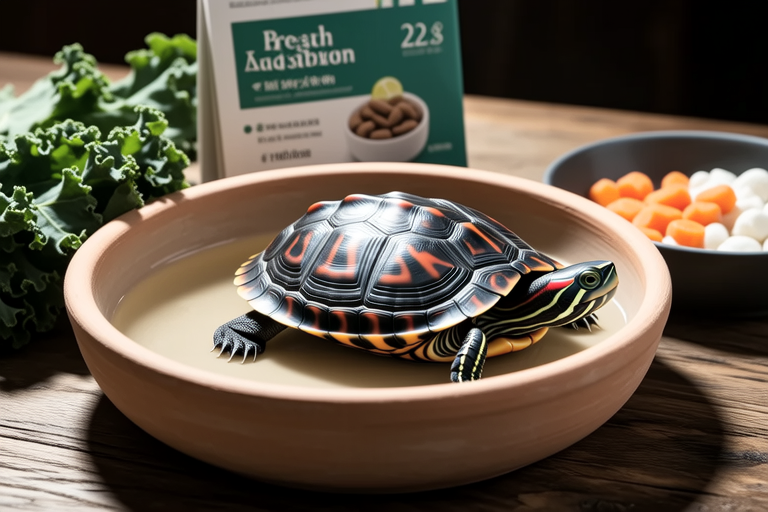
The Complete Guide to Feeding and Nutrition for Happy, Healthy Red-Eared Sliders
Red-eared sliders (Trachemys scripta elegans) are one of the most popular pet turtle species due to their attractive appearance and relatively low maintenance. However, maintaining their health requires careful attention to their dietary needs. This comprehensive guide covers all aspects of feeding and nutrition for red-eared sliders, from essential dietary requirements to common nutritional deficiencies and how to recognize signs of malnutrition or overfeeding.
Essential Dietary Needs
Red-eared sliders are omnivores with a diet that consists mainly of animal-based proteins and plant matter. Their nutritional needs change as they age, with younger turtles requiring more protein than adults. The ideal diet should be balanced and varied, ensuring they receive all necessary nutrients for growth, development, and overall health.
Recommended Feeding Schedules
Newborn hatchlings need to be fed daily, while adult sliders can be fed every other day. Overfeeding can lead to obesity and other health issues, so it’s crucial to follow a consistent feeding schedule. Always monitor your turtle’s weight and adjust portions accordingly.
Types of Food Suitable for Red-Eared Sliders
Commercial pellets specifically formulated for aquatic turtles are an excellent staple food, providing a balanced mix of nutrients. Additionally, you can offer fresh vegetables like leafy greens, carrots, and squash. Protein sources include earthworms, crickets, mealworms, and commercial reptile sticks. Avoid feeding them iceberg lettuce, spinach, or rhubarb, as these can cause digestive problems.
Common Nutritional Deficiencies
Calcium deficiency is particularly common among red-eared sliders. Lack of calcium can result in metabolic bone disease, characterized by soft shells and weak limbs. Ensure that your turtle has access to a calcium supplement, either through dietary intake or via a UVB light that aids in vitamin D3 synthesis.
How to Ensure a Balanced Diet
To achieve a balanced diet, provide a variety of foods each week. Offer a mix of commercial pellets, fresh vegetables, and occasional protein sources. Rotate different types of vegetables to prevent boredom and ensure a wide range of vitamins and minerals.
Tips for Preparing Meals
Wash all produce thoroughly before feeding it to your turtle. Cut larger pieces into bite-sized chunks to prevent choking. For protein sources, freeze-thaw live insects or purchase pre-killed ones to reduce the risk of introducing parasites.
The Importance of Hydration
Water is vital for red-eared sliders’ digestion and overall health. They obtain much of their water from their food, but a clean, well-maintained habitat is also essential. Ensure their enclosure has a large enough water area for swimming and soaking.
Signs of Malnutrition or Overfeeding
Watch for signs such as lethargy, swollen eyes, shell deformities, or difficulty moving, which may indicate malnutrition. Conversely, obesity can manifest as a rounded, bloated appearance or difficulty moving. Regular veterinary check-ups can help identify any underlying health issues.
Advice on Transitioning Young Turtles to Solid Foods
Newborn red-eared sliders primarily consume small aquatic invertebrates and larvae. As they grow, introduce commercial pellets and finely chopped vegetables gradually. Monitor their eating habits closely during this transition period to ensure they are adapting well.
Supplements
In addition to a balanced diet, red-eared sliders may benefit from occasional calcium and vitamin D3 supplements. Consult with a veterinarian to determine the appropriate dosage based on your turtle’s age, size, and overall health.
Environmental Factors Influencing Eating Habits
The environment plays a significant role in determining whether your turtle will eat properly. Ensure that their habitat provides adequate space for swimming and basking, with a temperature gradient for thermoregulation. A basking area with UVB lighting is crucial for calcium absorption and general health.
Practical Guidelines for Owners
- Feed your turtle at regular intervals to establish a routine.
- Monitor their eating habits and adjust portion sizes as needed.
- Keep their habitat clean and well-maintained to promote healthy eating habits.
- Provide a varied diet rich in vitamins and minerals.
- Regularly consult with a veterinarian about your turtle’s nutritional needs.
Maintaining a happy, healthy red-eared slider involves understanding their unique dietary requirements and providing an environment that supports optimal health. By following these guidelines, you can ensure your turtle enjoys a long, vibrant life.