
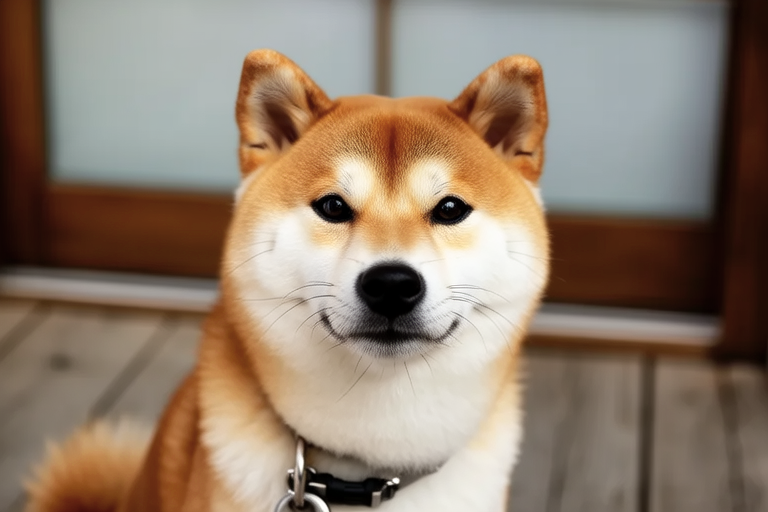
The Ultimate Guide to Training Your Shiba Inu
Shiba Inus are an ancient Japanese breed known for their fox-like appearance and spirited independence. These dogs have a unique blend of loyalty, intelligence, and stubbornness, making them both challenging and rewarding companions. Proper training is essential to ensure your Shiba Inu becomes a well-behaved and happy member of your family. This guide provides a comprehensive overview of training techniques tailored specifically for Shiba Inus, covering everything from understanding their temperament to handling stubborn behaviors.
Understanding Their Temperament
Shiba Inus are independent thinkers who can be quite headstrong at times. They are highly intelligent but often prefer to do things on their own terms. This breed thrives on mental stimulation and can become bored easily if not given enough challenges or activities. Recognizing these traits is crucial for successful training. It’s important to approach training with patience and creativity, as Shiba Inus respond better to positive reinforcement rather than harsh corrections.
Basic Obedience Training Commands
Teaching your Shiba Inu basic obedience commands is vital for their safety and your peace of mind. Start with simple commands like “sit,” “stay,” “come,” and “leave it.” Use treats, praise, and play as rewards to encourage good behavior. For example, when teaching “sit,” hold a treat above your dog’s nose and move it slightly back towards their tail. As they follow the treat, their bottom will naturally lower into a sitting position. Once they sit, immediately give them the treat and praise enthusiastically.
Consistency is key in teaching these commands. Practice each command multiple times daily, gradually reducing the use of treats as your Shiba Inu learns to associate the command with the desired action. Always end training sessions on a positive note, reinforcing good behavior with praise and affection.
Housebreaking Tips
Housebreaking a Shiba Inu requires patience and consistency. Establish a routine where you take your puppy outside first thing in the morning, after meals, and before bedtime. Choose a specific spot in your yard for them to relieve themselves and always praise them when they go there. If accidents happen indoors, clean the area thoroughly with an enzymatic cleaner to remove any lingering odors that might attract your dog back to the same spot.
Never punish your Shiba Inu for accidents; instead, focus on preventing them by closely monitoring your puppy and taking them out frequently. Crate training can also be helpful, as Shibas tend to be crate-trained easily due to their natural denning instincts.
Socialization Methods
Early socialization is crucial for Shiba Inus to help them become comfortable around people, other animals, and various environments. Expose your puppy to different sights, sounds, and experiences while they are young. Take them to parks, pet stores, and friends’ houses. Introduce them to children, adults, and other dogs in a controlled manner, ensuring each encounter is positive.
During socialization, keep interactions calm and enjoyable for your Shiba Inu. If they show signs of fear or discomfort, remove them from the situation and try again another day. Remember, every dog has its own pace, so be patient and let your Shiba Inu set the rhythm.
Dealing with Stubborn Behaviors
One of the most common challenges when training a Shiba Inu is dealing with their stubborn streak. Shibas are known for testing boundaries and may refuse to obey commands just because they can. To handle this, remain calm and patient, and never resort to physical punishment. Instead, use positive reinforcement techniques such as redirecting their attention to a more appropriate activity or offering a tasty treat as a reward for compliance.
If your Shiba Inu consistently ignores commands, try breaking down the task into smaller steps. For instance, if your dog refuses to come when called, start by practicing in a quiet, distraction-free environment. Gradually increase the difficulty by adding distractions and distance. Reward every small success along the way to build confidence and reinforce the desired behavior.
Maintaining Consistency in Training
Consistency is perhaps the most important aspect of training a Shiba Inu. All family members should use the same commands and rewards to avoid confusing your dog. Set clear expectations and stick to them. For example, if you decide that “sit” means your dog must sit before receiving a treat, everyone in the household should enforce this rule.
In addition to consistency in commands, maintain regular training sessions. Short, frequent practice sessions are more effective than long, infrequent ones. Incorporate training into everyday activities, such as mealtime or playtime, to make learning fun and engaging for your Shiba Inu.
Real-Life Examples
Linda, a first-time dog owner, adopted a Shiba Inu named Kuma. Initially, Kuma was very resistant to basic obedience commands. Linda tried punishing Kuma when he refused to listen, which only made matters worse. After attending a local dog training class, Linda learned about positive reinforcement techniques and began using treats and praise during training sessions. Within weeks, Kuma responded much more positively, and Linda noticed a significant improvement in his behavior.
Another example comes from Sarah, who adopted a Shiba Inu named Hana at six months old. Hana had some issues with housebreaking, often having accidents inside despite being taken outside regularly. Sarah discovered that Hana was particularly sensitive to certain noises, such as the vacuum cleaner. By gradually exposing Hana to these sounds while praising her, Sarah helped Hana overcome her fears and improved her housebreaking skills.
Conclusion
Training a Shiba Inu requires dedication, patience, and a deep understanding of their unique temperament. By using positive reinforcement, maintaining consistency, and addressing stubborn behaviors creatively, you can successfully train your Shiba Inu to be a well-behaved and loving companion. Remember, every dog is different, so adapt your training methods to suit your individual Shiba Inu’s needs. With time and effort, you’ll develop a strong bond based on trust and mutual respect.