
Top 10 Fascinating Facts About Leopard Geckos You Didn’t Know
Leopard geckos are among the most popular reptiles kept as pets, but even experienced herpetologists might be surprised by some of their unique characteristics. These small lizards, native to the rocky, arid regions of Afghanistan, Pakistan, and parts of India, have captivated the hearts of reptile enthusiasts worldwide. From their distinctive markings to their fascinating behaviors, there’s always something new to learn about these captivating creatures.
Fact 1: The Leopard Gecko’s Unique Markings Serve Multiple Purposes
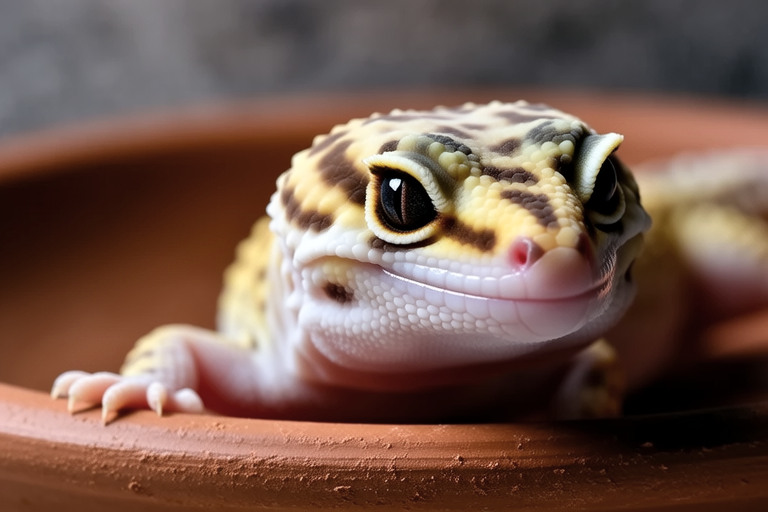
Leopard geckos are named for their striking, leopard-like spots that vary in size and coloration across individuals. These patterns serve several purposes. Firstly, they act as camouflage, helping the gecko blend into its environment and avoid predators. Secondly, the spots can change color depending on the temperature, indicating the gecko’s health and well-being. For instance, if a gecko appears paler than usual, it may be a sign of stress or illness. Understanding these visual cues can help owners provide optimal care.
Fact 2: Leopard Geckos Are Nocturnal Creatures
Unlike many other reptiles, leopard geckos are primarily nocturnal, meaning they are most active during the night. This behavior helps them avoid the intense daytime heat of their natural habitat. In captivity, this means you’ll likely see your gecko most active after dark, when they will hunt for insects and explore their enclosure. Owners should mimic this natural cycle by providing a day-night light schedule, which helps regulate the gecko’s internal clock and promotes healthy behavior.
Fact 3: They Can Regenerate Their Tails
One of the most remarkable abilities of leopard geckos is their capacity to regenerate their tails. When threatened, a gecko can voluntarily detach its tail, a process known as caudal autotomy. The detached tail continues to wiggle, distracting the predator while the gecko escapes. Over time, the gecko grows a new tail, although it may not match the original in size or appearance. This adaptation is crucial for survival in the wild but can also happen in captivity if a gecko feels stressed or insecure.
Fact 4: Leopard Geckos Have Specialized Feet
The feet of leopard geckos are designed for climbing and gripping surfaces. Unlike many other lizards, they lack adhesive pads, instead relying on tiny, microscopic hooks called setae. These hooks allow them to grip onto rough surfaces, enabling them to climb rocks and trees. However, their feet are not adapted for smooth surfaces like glass, so it’s important to provide a suitable environment with plenty of climbing opportunities and hiding places.
Fact 5: They Can Change Skin Color for Camouflage
In addition to their patterned skin, leopard geckos can change the overall color of their bodies to better blend into their surroundings. This ability, known as metachrosis, allows them to adjust their pigmentation in response to environmental factors such as temperature and humidity. Owners can observe changes in skin color during handling or when the gecko is stressed, which can indicate the need for a more comfortable environment.
Fact 6: Leopard Geckos Don’t Need UVB Light
Unlike many other reptiles, leopard geckos do not require ultraviolet B (UVB) light for vitamin D synthesis. Instead, they obtain the necessary vitamins from their diet, making their care requirements somewhat simpler than those of other species. However, they still benefit from a heating gradient within their enclosure, allowing them to thermoregulate effectively. Providing a warm spot and cooler areas ensures the gecko can maintain its body temperature at optimal levels.
Fact 7: They Are Carnivorous and Feed on Live Insects
Leopard geckos are strictly carnivorous, feeding on live insects such as crickets, mealworms, and waxworms. A varied diet is essential for their nutritional needs, and owners should offer different prey items to ensure a balanced intake of nutrients. Additionally, it’s important to gut-load feeder insects with nutritious food before offering them to the gecko. Proper feeding practices contribute to the overall health and longevity of these fascinating pets.
Fact 8: Leopard Geckos Can Communicate Through Body Language
While they don’t vocalize like some other animals, leopard geckos use body language to communicate with both humans and other geckos. Tail wagging, for example, can indicate excitement or stress, while a flattened body might signal fear or aggression. Observing these behaviors can help owners understand their gecko’s moods and needs, fostering a stronger bond between pet and owner. Learning to interpret these signals can make caring for a leopard gecko even more rewarding.
Fact 9: Leopard Geckos Hibernate in the Wild
In their natural habitat, leopard geckos undergo a period of dormancy known as brumation during colder months. During this time, they become less active and may eat less frequently. While captive geckos typically do not brumate due to consistent temperatures, owners can simulate this process by gradually lowering the temperature and reducing feeding over several weeks. Brumation can help stimulate breeding behavior and is sometimes recommended for older geckos to improve their health.
Fact 10: They Are Social Creatures with Distinct Personalities
Contrary to popular belief, leopard geckos are not solitary animals; they can form social bonds with others of their kind. In captivity, they often exhibit distinct personalities, ranging from shy and reserved to outgoing and curious. Some geckos enjoy being handled, while others prefer minimal interaction. Understanding and respecting the individual temperament of each gecko is key to providing a happy and healthy life for these pets.
Conclusion: The Uniqueness of Leopard Geckos as Pets
Leopard geckos are truly unique pets, combining ease of care with fascinating behaviors and physical adaptations. Whether you’re a novice reptile owner or an experienced herpetologist, there’s always something new to discover about these captivating creatures. From their ability to regenerate their tails to their specialized feet and body language, every aspect of their lives offers insight into the wonders of nature. By providing a safe, enriching environment and understanding their specific needs, owners can ensure their leopard geckos thrive and bring joy to their homes.