
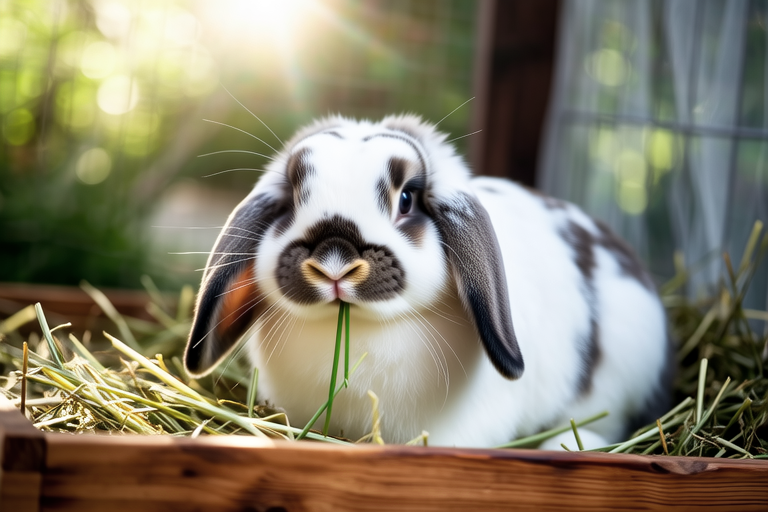
Raising Happy and Healthy Lop Rabbits at Home
Welcome to your comprehensive guide on raising happy and healthy lop rabbits at home. This guide will cover all aspects of caring for your beloved pet, from proper diet and housing to exercise, grooming, and socialization. We’ll also discuss common health issues and provide advice tailored specifically for lop rabbits.
Understanding Your Lop Rabbit
Lop rabbits are known for their floppy ears, which can be either short or long. They come in various colors and sizes, making them popular choices for families and first-time rabbit owners. Their gentle nature and affectionate demeanor make them wonderful companions. However, it’s important to understand that lop rabbits have specific care needs due to their drooping ears, which can be more prone to infections if not properly cared for.
Proper Diet for Lop Rabbits
Hay: The Foundation of a Healthy Diet
The cornerstone of any rabbit’s diet is hay. Timothy hay is particularly recommended for lop rabbits as it aids in digestion and dental health. Fresh hay should always be available to your pet, ensuring they maintain healthy teeth and a balanced gut flora. Alfalfa hay can be offered occasionally but should not replace timothy hay as a primary food source.
Fresh Vegetables and Fruits
Vegetables and fruits should make up about 10% of your lop rabbit’s daily intake. Dark leafy greens like romaine lettuce, spinach, and kale are excellent choices. Avoid feeding iceberg lettuce as it has little nutritional value and can cause digestive upset. Fruits such as apples, blueberries, and strawberries can be given sparingly due to their high sugar content.
Dry Food and Treats
Commercial rabbit pellets provide essential nutrients and should be fed in moderation. Look for high-quality pellets designed for adult rabbits, as they contain fewer calories than those formulated for younger rabbits. Treats, such as small pieces of carrot or apple, should only be given occasionally to prevent obesity.
Housing Requirements for Lop Rabbits
Choosing the Right Cage
A spacious cage is crucial for your lop rabbit’s comfort and well-being. The cage should be large enough to allow your rabbit to move around freely and stretch out fully. A minimum size of 4 square feet per rabbit is recommended, with additional space for each additional rabbit. Multi-level cages with ramps and platforms encourage exercise and exploration.
Bedding and Litter Training
Soft bedding materials such as straw or shredded paper are ideal for lop rabbits. Avoid cedar or pine shavings as they can irritate your rabbit’s respiratory system. Litter training your rabbit is possible; place a litter box filled with hay or rabbit-safe litter in one corner of the cage. Encourage your rabbit to use it by placing hay or treats inside.
Environmental Enrichment
To keep your lop rabbit mentally stimulated, provide toys and tunnels made from cardboard boxes or safe chew toys. Rotate toys periodically to prevent boredom and encourage playtime. Chew sticks and wooden blocks help wear down their constantly growing teeth, preventing dental issues.
Exercise Needs for Lop Rabbits
Lop rabbits need regular exercise to stay fit and healthy. Allow them supervised time outside of their cage each day. A secure area, such as a rabbit-proofed room or a large pen, provides ample space for running, jumping, and exploring. Supervised outdoor time is also beneficial, but ensure the area is free from predators and harmful plants.
Grooming Tips for Lop Rabbits
Bathing and Shampooing
Rabbits rarely require baths unless they are extremely dirty. Use a gentle, pH-balanced shampoo specifically formulated for rabbits. Gently wet your rabbit with warm water and apply the shampoo, avoiding the eyes, nose, and ears. Rinse thoroughly and dry your rabbit with towels or a low-heat hair dryer.
Brushing and Trimming
Regular brushing helps remove loose fur and prevents matting. Use a soft-bristled brush or a slicker brush to gently brush your lop rabbit’s coat. Pay special attention to areas where fur may become tangled, such as behind the ears. Trim nails when necessary using nail clippers designed for small animals. Be cautious not to cut the quick, which contains blood vessels and nerves.
Cleaning Ears
Lop rabbits’ drooping ears can accumulate dirt and debris, leading to infections if not cleaned regularly. Use a damp cloth or cotton ball to gently wipe the outer ear. Avoid inserting anything into the ear canal to prevent injury. If you notice redness, swelling, or discharge, consult a veterinarian immediately.
Common Health Issues in Lop Rabbits
Dental Problems
Overgrown teeth are a common issue in lop rabbits due to their continuously growing incisors. Signs include drooling, difficulty eating, and weight loss. Regular veterinary check-ups can help catch dental problems early. Provide plenty of hay and chew toys to promote natural tooth wear.
Eye and Ear Infections
Due to their floppy ears, lop rabbits are more susceptible to ear infections. Keep ears clean and dry to prevent bacteria or fungi from thriving. Eye infections can occur if tears aren’t wiped away properly. Clean the area around the eyes with a damp cloth and consult a vet if symptoms persist.
Gastrointestinal Stasis
Gastrointestinal stasis occurs when a rabbit’s digestive system slows down or stops functioning. It can be caused by stress, dehydration, or lack of fiber in the diet. Symptoms include lethargy, reduced appetite, and smaller-than-normal fecal pellets. Immediate veterinary care is necessary to address this potentially life-threatening condition.
Socializing Your Lop Rabbit
Building Trust and Bonding
Spending quality time with your lop rabbit helps build trust and strengthens your bond. Start by sitting near their cage and talking softly. Gradually introduce gentle handling, allowing your rabbit to become comfortable with being touched. Offer treats during these sessions to create positive associations.
Introducing New Pets
If considering adding another rabbit to your household, introduce them gradually under supervision. Place their cages next to each other initially, allowing them to get used to each other’s scent. Once comfortable, supervise their interactions closely to ensure compatibility.
Training Your Lop Rabbit
Training can enhance communication between you and your lop rabbit. Teach basic commands using positive reinforcement techniques. Reward good behavior with treats and praise. Consistency is key in establishing effective communication.
Conclusion
Raising a happy and healthy lop rabbit requires dedication and attention to their unique needs. By providing a nutritious diet, appropriate housing, ample exercise, proper grooming, and regular veterinary care, you can ensure your lop rabbit enjoys a long and fulfilling life. Remember, every rabbit is an individual, so observe your pet closely and adjust care accordingly. With love and patience, you and your lop rabbit will share many joyful moments together.