
The Ultimate Koi Care Checklist for Every Aquascaper
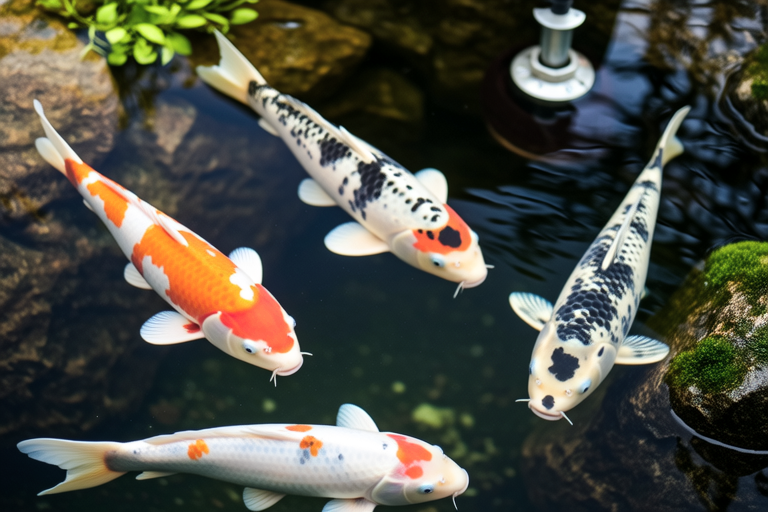
Keeping koi in your pond is a rewarding experience that combines the joy of raising beautiful fish with the tranquility of maintaining a well-decorated aquatic environment. However, successful koi keeping requires attention to detail and dedication. This article provides an all-encompassing guide to koi care, covering everything from water quality management to seasonal care tips and disease prevention. Whether you’re a novice or an experienced aquascaper, this checklist will help ensure your koi thrive.
Optimal Water Quality Parameters
Maintaining optimal water conditions is crucial for koi health. Here are key parameters to monitor:
- pH Level: Aim for a pH between 7.2 and 8.0. Use test kits regularly to check and adjust if necessary.
- Ammonia and Nitrite Levels: These should be zero. High levels indicate poor filtration or overstocking. Regular testing is vital.
- Nitrate Levels: Keep below 40 ppm. Higher levels can stress fish and promote algae growth. Perform partial water changes as needed.
- Water Temperature: Maintain a temperature range of 65-77°F (18-25°C). Avoid sudden temperature changes.
- Oxygen Levels: Ensure adequate oxygenation through proper aeration. Install air pumps or waterfalls.
Feeding Guidelines
Proper feeding ensures koi receive balanced nutrition:
- Diet Composition: Feed high-quality pellets containing protein, fats, carbohydrates, vitamins, and minerals. Adjust based on koi size and age.
- Frequency: Feed once or twice daily. Offer only what they can consume within five minutes to prevent overfeeding.
- Seasonal Adjustments: Reduce feedings during colder months when koi become less active. Increase protein intake during warmer periods.
- Variety: Occasionally offer treats like freeze-dried bloodworms, krill, or spirulina flakes for added nutrients.
Suitable Pond Filtration Systems
A robust filtration system is essential for maintaining clean water:
- Biological Filtration: Bacteria break down harmful compounds. Incorporate media like bio-balls or filter mats.
- Mechanical Filtration: Removes debris before it decomposes. Skimmers or pre-filters are effective.
- Chemical Filtration: Adsorbs dissolved organic compounds. Carbon or zeolite can be used.
- UV Sterilization: Kills free-floating pathogens. Place after mechanical filtration.
Necessary Equipment for Koi Health
In addition to filtration, consider these essential items:
- Air Pumps: Enhance oxygen levels and reduce stress.
- Water Pumps: Circulate water and maintain flow.
- Thermometers: Monitor temperature for stability.
- Netting: For safe handling and moving koi.
- Test Kits: Regularly check water quality parameters.
Seasonal Care Tips
Adapt your care routine according to the season:
- Spring: Begin by cleaning filters and checking equipment. Gradually increase feeding as water warms.
- Summer: Focus on preventing overheating and algal blooms. Maintain oxygen levels and provide shade.
- Fall: Prepare for cooler temperatures by reducing feeding and ensuring adequate depth for winter.
- Winter: Minimize activity and prepare for potential ice formation. Use aerators to prevent freezing.
Common Diseases and Preventive Measures
Be vigilant about signs of illness:
- Ich (White Spot Disease): Causes white spots. Treat with medication and improve water quality.
- Fin Rot: Fins become frayed and discolored. Improve water conditions and treat with antibiotics.
- Bacterial Infections: Symptoms include lethargy and lesions. Strengthen immune response with vitamin supplements.
- Preventive Measures: Quarantine new fish, maintain good water quality, and avoid overcrowding.
Decorative Elements That Enhance Both Habitat and Aesthetic Appeal
Add elements that benefit both koi and the pond’s appearance:
- Plants: Provide oxygen, shelter, and natural food sources. Choose submerged plants like Anacharis or floating plants like water lettuce.
- Rocks and Gravel: Create hiding spots and add visual interest. Ensure rocks are smooth and non-toxic.
- Water Features: Install fountains, waterfalls, or bubblers for movement and oxygenation.
- Lights: Illuminate the pond at night for safety and aesthetics. Use LED lights for energy efficiency.
Actionable Advice and Practical Tips
Implement these strategies for a thriving koi pond:
- Regularly clean filters and inspect equipment for wear.
- Use a skimmer to remove surface debris and reduce maintenance.
- Plant native species to support local ecosystems.
- Monitor weather forecasts and prepare for extreme conditions.
- Document observations and adjustments for future reference.
By following this comprehensive checklist, you’ll create an ideal environment for your koi, ensuring their health and happiness while enjoying a beautifully maintained pond. Happy aquascaping!