
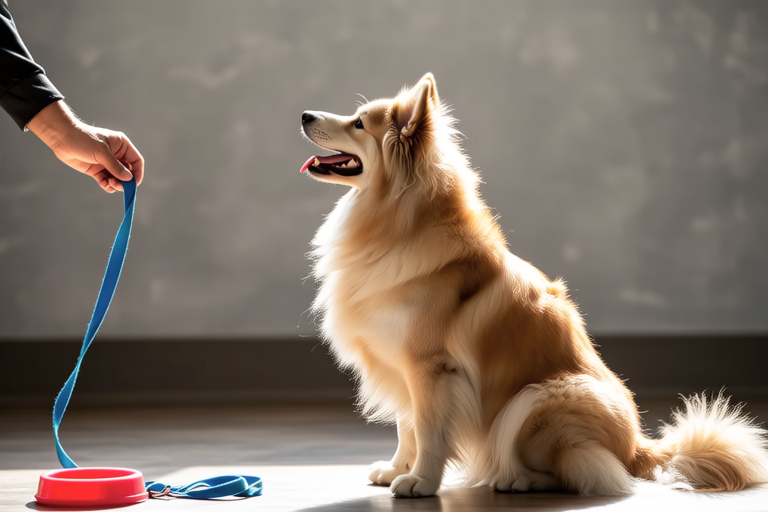
How to Train Your Pomeranian Like a Pro
Welcome to your comprehensive guide on training your Pomeranian like a pro! This guide will walk you through effective training techniques specifically tailored for Pomeranians. We’ll cover basic obedience training, housebreaking tips, socialization methods, dealing with common behavioral issues, and maintaining consistency in training. Our approach emphasizes positive reinforcement, providing practical advice and real-life examples to support both new and experienced owners.
Basic Obedience Training
Teaching your Pomeranian basic commands is essential for their safety and your peace of mind. Start with simple commands such as ‘sit’, ‘stay’, ‘come’, and ‘down’. Positive reinforcement is key – reward good behavior with treats, praise, or playtime.
- Sit: Hold a treat above your Pomeranian’s head and slowly move it back, prompting them to sit. As they sit, say ‘sit’ and give them the treat.
- Stay: Have your Pomeranian sit or lie down, then step away while saying ‘stay’. Gradually increase the distance and duration over time. Return and reward them when they’ve successfully stayed.
- Come: Use a happy, excited voice to call your Pomeranian. When they come to you, reward them with a treat and lots of praise. Always make coming to you a positive experience.
- Down: Encourage your Pomeranian to lie down by holding a treat close to the ground and moving it backward. Once they lie down, say ‘down’ and give them the treat.
Consistency is crucial; practice these commands daily in short, fun sessions. Keep training sessions upbeat and enjoyable, ensuring your Pomeranian looks forward to them.
Housebreaking Tips
Housebreaking your Pomeranian requires patience and persistence. Establish a routine and be consistent. Take them outside frequently, especially after meals, naps, and playtime. Praise and reward them when they go potty outside.
- Choose a specific spot: Designate an area near your door for them to relieve themselves. Take them there every time and use a verbal cue like ‘go potty’. Over time, they’ll associate that spot with going potty.
- Be patient: Accidents will happen, but don’t punish your Pomeranian. Instead, clean the area thoroughly and continue with your training routine.
- Use crate training: A properly sized crate can help prevent accidents inside the house. Pomeranians generally don’t want to soil their sleeping area, so a crate can encourage them to hold it until they’re taken outside.
Remember, housebreaking takes time, so stay patient and consistent. With time and effort, your Pomeranian will learn to use the bathroom outside reliably.
Socialization Methods
Socializing your Pomeranian from a young age helps them become well-adjusted, friendly dogs. Expose them to various environments, people, and other animals in a controlled, positive manner.
- Introduce gradually: Start with familiar people and places before moving on to new experiences. Allow your Pomeranian to explore at their own pace and reward calm, friendly behavior.
- Positive interactions: Encourage gentle petting and play with others. If your Pomeranian becomes anxious or aggressive, calmly remove them from the situation and try again later.
- Group activities: Consider joining a doggy daycare or group training class where your Pomeranian can interact with other dogs in a supervised setting.
Socialization is an ongoing process. Continue exposing your Pomeranian to new experiences throughout their life to maintain their friendly demeanor.
Dealing with Common Behavioral Issues
Pomeranians may exhibit certain behaviors that can be challenging for owners. Here are some strategies to address common issues:
- Barking: Pomeranians are known for their vocal nature. To reduce excessive barking, identify triggers and work on desensitizing your Pomeranian. Teach them the ‘quiet’ command by saying ‘quiet’ and rewarding them when they stop barking.
- Chewing: Provide appropriate chew toys and supervise your Pomeranian during playtime. Redirect them to their toys if they start chewing on something they shouldn’t.
- Destructive Behavior: Ensure your Pomeranian has enough mental and physical stimulation. Rotate toys and provide puzzle feeders to keep them engaged. Crate training can also help prevent destructive behavior when you’re not home.
Always address behavioral issues with patience and positive reinforcement. Consult a professional trainer or behaviorist if needed.
Maintaining Consistency in Training
Consistency is key to successful training. Establish clear rules and expectations for your Pomeranian and stick to them. All family members should use the same commands and rewards. Reinforce good behavior regularly and correct bad behavior consistently but gently.
Training your Pomeranian is a journey, not a destination. Celebrate small victories and remain patient. With time and effort, your Pomeranian will become a well-trained, happy companion.
Real-Life Examples
Let’s look at some real-life examples of how positive reinforcement can be applied in everyday situations:
- Example 1: Sarah’s Pomeranian, Max, had trouble coming when called. She started practicing in a quiet, distraction-free environment. Each time Max came, she gave him lots of praise and a special treat. After several weeks, Max now comes when called even in busy parks.
- Example 2: John’s Pomeranian, Bella, had a habit of jumping on guests. He taught her to sit when greeting visitors by offering treats and praise for sitting. Now, Bella sits politely instead of jumping.
These examples illustrate the power of positive reinforcement and consistent training.
Conclusion
Training your Pomeranian like a pro requires dedication, patience, and positive reinforcement. By following the tips in this guide, you’ll be well on your way to having a well-behaved, happy companion. Remember, every Pomeranian is unique, so adapt your training methods to suit your individual dog’s needs. Stay consistent, celebrate progress, and enjoy the rewarding experience of training your furry friend.