
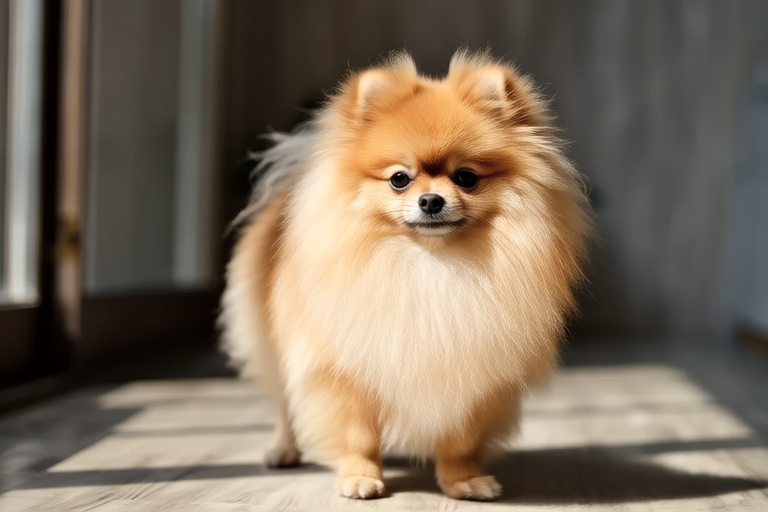
Pomeranians: The Ultimate Guide for New and Experienced Owners
Welcome to the comprehensive guide on Pomeranians! Whether you’re a first-time owner or a seasoned handler, this article will provide you with all the essential information you need to ensure your Pomeranian lives a happy, healthy life. From their rich history to daily care, we’ve got you covered.
History of the Pomeranian
The Pomeranian, originally known as the Spitz dog, has an intriguing history that spans centuries. They hail from the Pomerania region in Central Europe, now part of Poland and Germany. These small dogs were initially bred much larger, akin to the Samoyed or Keeshond. Over time, they were selectively bred to become the compact, fluffy companions we know today. Queen Victoria’s love for these diminutive dogs helped popularize them in the late 19th century, leading to their recognition by the American Kennel Club in 1888.
Ideal Living Conditions
Pomeranians thrive in various environments, from cozy apartments to spacious homes, provided they receive ample attention and affection. Their small size makes them well-suited for urban living, but they require regular walks and playtime to stay active. Despite their adaptability, Pomeranians are sensitive to temperature extremes, so it’s crucial to protect them from harsh weather conditions. Indoor living with climate control is ideal, ensuring a comfortable environment year-round.
Dietary Needs
Feeding your Pomeranian a balanced diet is paramount for their overall health. High-quality dog food, rich in proteins and fats, supports their energy levels and coat health. Consult with your veterinarian to determine the appropriate amount and type of food based on your Pomeranian’s age, weight, and activity level. Avoid overfeeding, which can lead to obesity, a common issue among smaller breeds. Fresh water should always be available to keep them hydrated.
Exercise Requirements
Regular physical activity is essential for maintaining your Pomeranian’s health and happiness. Daily walks and play sessions help them burn off excess energy and prevent behavioral problems. Mental stimulation through interactive toys and games also keeps their minds sharp. Remember, while Pomeranians enjoy outdoor activities, they should be supervised due to their small size and vulnerability to larger animals.
Grooming Tips
Grooming is a vital aspect of caring for your Pomeranian. Their luxurious double coat requires weekly brushing to prevent matting and reduce shedding. Bathing should be done every few months, using mild shampoo designed for dogs. Pay special attention to their ears and teeth to prevent infections and dental issues. Regular nail trimming and ear cleaning are also necessary to maintain hygiene.
Common Health Issues
Like all breeds, Pomeranians are prone to certain health problems. Hypothyroidism, luxating patella (dislocated kneecap), and tracheal collapse are prevalent issues. Regular veterinary check-ups and early intervention can significantly improve their quality of life. Genetic testing may also help identify potential hereditary conditions before they manifest.
Training Techniques
Training your Pomeranian can be both rewarding and challenging. Early socialization and consistent positive reinforcement are key to successful training. Use treats and praise to encourage good behavior, and avoid harsh punishments. Basic commands like ‘sit’, ‘stay’, and ‘come’ should be taught from an early age. Consistency is crucial; set clear boundaries and rules to foster a well-behaved pet.