
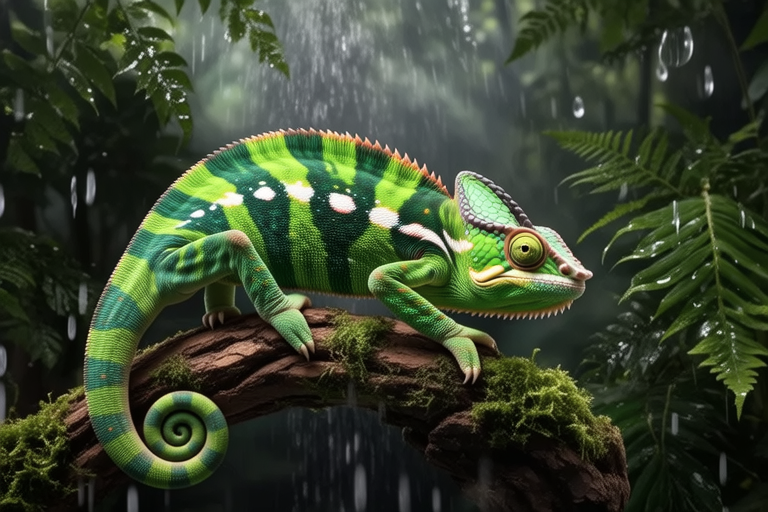
From Jungle to Home: Transforming Your Space into a Chameleon Paradise
Welcome to the fascinating world of chameleons! These remarkable creatures have captivated humans for centuries with their unique abilities to change color and their distinct, swiveling eyes. However, owning a chameleon comes with significant responsibility. To ensure your scaly friend thrives, it’s crucial to recreate their natural jungle environment as closely as possible. This guide will walk you through the process of transforming your space into a chameleon paradise.
The Unique Needs of Chameleons
Chameleons are arboreal reptiles, meaning they live among trees and bushes. They require specific environmental conditions to stay healthy and happy. Their natural habitat is warm, humid, and filled with foliage. A poorly designed enclosure can lead to stress, illness, or even death. Therefore, understanding and meeting their unique needs is paramount.
Selecting the Right Enclosure Size and Type
The first step in creating a chameleon paradise is choosing the right enclosure. Chameleons need ample space to climb, bask, and explore. For juveniles, a 20-gallon tank is sufficient, but adults require at least a 40-gallon tank. The taller the enclosure, the better, as chameleons prefer vertical spaces. Avoid glass terrariums; instead, opt for screen enclosures that allow for better air circulation.
Proper Lighting Requirements
Lighting is vital for chameleons’ well-being. They need two types of lighting: UVB and heat. UVB light helps them synthesize vitamin D3, which aids calcium absorption. A high-quality UVB bulb should be placed directly above the enclosure. Replace this bulb every six months to maintain its effectiveness. Additionally, provide a basking spot with a heat lamp to create a temperature gradient within the enclosure. Chameleons should have access to a range of temperatures, from 80°F to 95°F (27°C to 35°C).
Temperature and Humidity Control
Maintaining the correct temperature and humidity levels is essential for your chameleon’s health. Use a digital thermometer and hygrometer to monitor these factors. Chameleons thrive in humidity levels between 50% and 70%. You can achieve this by misting the enclosure twice daily and using a water drip system. Ensure that the enclosure has adequate ventilation to prevent stagnant air, which can lead to respiratory issues.
Substrate Options
The substrate you choose for your chameleon’s enclosure should be safe and easy to clean. Avoid substrates like sand, gravel, or bark chips, as they can cause impaction if ingested. Instead, opt for paper towels or reptile carpet for juveniles, and for adults, use a layer of sphagnum moss or coconut fiber. These materials retain moisture, promoting the necessary humidity levels.
Essential Accessories: Branches and Plants
Branches and plants are crucial for your chameleon’s mental and physical health. Provide a variety of sturdy branches of different diameters for climbing. Live or artificial plants offer hiding spots and places to perch. Popular choices include pothos, fiddle leaf figs, and dracaenas. Ensure all plants are non-toxic and pesticide-free.
Feeding and Maintaining Hygiene
Chameleons are insectivores and primarily eat crickets, mealworms, and waxworms. Dust their food with calcium and vitamin supplements to support their bone health. Feed your chameleon daily, offering as many insects as they can consume in 10-15 minutes. Remove any uneaten insects to prevent them from biting or stinging your chameleon. Regularly clean the enclosure, removing waste and soiled substrate. Disinfect the enclosure and accessories monthly to prevent bacterial growth.
Observing and Interacting with Your Chameleon
To ensure your chameleon thrives, observe them regularly for signs of health and happiness. Healthy chameleons have bright colors, clear eyes, and active movements. If you notice any lethargy, discolored skin, or difficulty breathing, consult a veterinarian immediately. While chameleons are not typically handled, you can interact with them by providing enrichment activities like new branches or plants. Always approach them slowly and calmly, respecting their need for privacy.
In conclusion, transforming your space into a chameleon paradise requires attention to detail and commitment. By understanding and meeting their unique needs, you can provide a safe, stimulating environment for your scaly friend. With proper care, your chameleon will lead a long, healthy life, bringing joy and wonder to your home.