
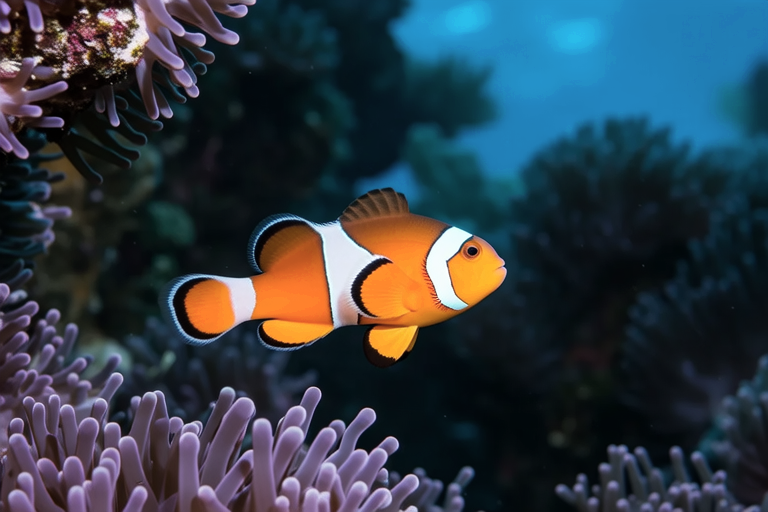
The Hidden World of Clownfish: Facts and Myths Unveiled
Clownfish have long been a symbol of resilience and charm in marine ecosystems. These small, vibrant fish are not only a favorite among aquarium enthusiasts but also hold a special place in the hearts of many due to their starring role in animated films like Finding Nemo. Their striking appearance and unique behaviors make them one of the most recognizable creatures in the ocean. This article delves into the fascinating world of clownfish, separating fact from fiction, and uncovering the hidden truths about these beloved marine dwellers.
Symbiotic Partners: Clownfish and Sea Anemones
The relationship between clownfish and sea anemones is one of nature’s most remarkable partnerships. Clownfish live among the tentacles of sea anemones, which provide protection from predators and a safe haven for laying eggs. In return, clownfish offer the anemone nutrients through their waste and help to lure prey closer with their movements. This mutualistic relationship is a cornerstone of marine ecosystems, showcasing the intricate web of life beneath the waves.
Sea anemones possess stinging cells called nematocysts that can paralyze or kill smaller fish. However, clownfish have developed a layer of mucus on their skin that protects them from these deadly stings. This adaptation allows clownfish to thrive in close proximity to their hosts without being harmed. The mucus is thought to be similar to the anemone’s own chemical makeup, tricking the nematocysts into believing the clownfish is part of the anemone itself.
Diverse Species Within the Clownfish Family
There are approximately thirty species of clownfish within the genus Amphiprion and Premnas. Each species has its own unique characteristics and adaptations. For instance, the False Percula Clownfish (Amphiprion ocellaris) is the species most commonly found in home aquariums and is often confused with the True Percula Clownfish (Amphiprion percula). While both species share similar coloration, the False Percula tends to have narrower white stripes.
The Clark’s Anemonefish (Amphiprion clarkii) is known for its adaptability and is found in a wide range of habitats, from lagoons to outer reefs. It is also one of the largest species of clownfish, reaching up to 14 cm in length. On the other hand, the Pink Skunk Clownfish (Amphiprion perideraion) is notable for its distinct pink coloration and single white stripe running along its back, setting it apart from other species.
Myths About Clownfish Habitat Preferences Debunked
A common misconception about clownfish is that they prefer warm, shallow waters exclusively. While it is true that many species are found in tropical coral reefs, some clownfish species inhabit cooler waters as well. For example, the Semicircle Anemonefish (Amphiprion albersi) can be found in the cooler waters of the Red Sea. Another myth is that all clownfish live exclusively with sea anemones. In reality, while sea anemones are a preferred host, some clownfish species can survive without them, especially in the absence of predators.
Research indicates that clownfish may choose different hosts based on environmental conditions and the availability of food sources. This flexibility underscores the resilience of these fish and their ability to adapt to various environments. Understanding these nuances is crucial for accurately assessing the health and distribution of clownfish populations.
Behavior, Reproduction, and Role in the Food Chain
Clownfish exhibit complex social behaviors within their colonies. Typically, a group consists of a dominant female, a male, and several subordinate males. The dominant female is the largest fish in the group, and she controls the breeding activities. When the dominant female dies, the largest male changes sex and becomes the new dominant female. This unique reproductive strategy ensures the continuation of the species.
Clownfish reproduce by laying eggs, usually on flat surfaces near their anemone hosts. The male takes care of the eggs until they hatch, fanning them with his fins to provide oxygen and ward off predators. Once hatched, the fry (baby clownfish) drift in the open ocean for several weeks before settling on a reef and choosing a host anemone.
In terms of the food chain, clownfish play a significant role as both predator and prey. They primarily feed on algae, zooplankton, and small invertebrates. As prey, they serve as a food source for larger fish, contributing to the overall balance of marine ecosystems. Their presence helps maintain the health and diversity of coral reefs, which are vital for numerous marine species.
Conservation Efforts and Marine Biodiversity
The conservation of clownfish habitats is essential for preserving marine biodiversity. Coral reefs, the primary homes of clownfish, are under threat from climate change, pollution, and destructive fishing practices. Organizations around the world are working tirelessly to protect these ecosystems. Initiatives include creating marine protected areas, promoting sustainable fishing practices, and raising awareness about the importance of coral reefs.
One such initiative is the establishment of artificial reefs. These structures provide new habitats for clownfish and other marine species, helping to mitigate the loss of natural reefs. Additionally, breeding programs in captivity aim to increase the number of clownfish available for restocking depleted areas. These efforts are crucial for ensuring the survival of clownfish and maintaining the health of our oceans.
Education plays a pivotal role in conservation efforts. By informing the public about the threats facing clownfish and their habitats, we can encourage more people to support conservation initiatives. Schools, aquariums, and online platforms can all contribute to spreading awareness about the importance of protecting marine life.
In conclusion, clownfish are not just charming inhabitants of the ocean; they are integral to the health and diversity of marine ecosystems. Understanding their unique relationships, behaviors, and challenges is key to their conservation. By supporting conservation efforts and raising awareness, we can ensure that future generations will continue to marvel at the beauty and complexity of these remarkable creatures.