
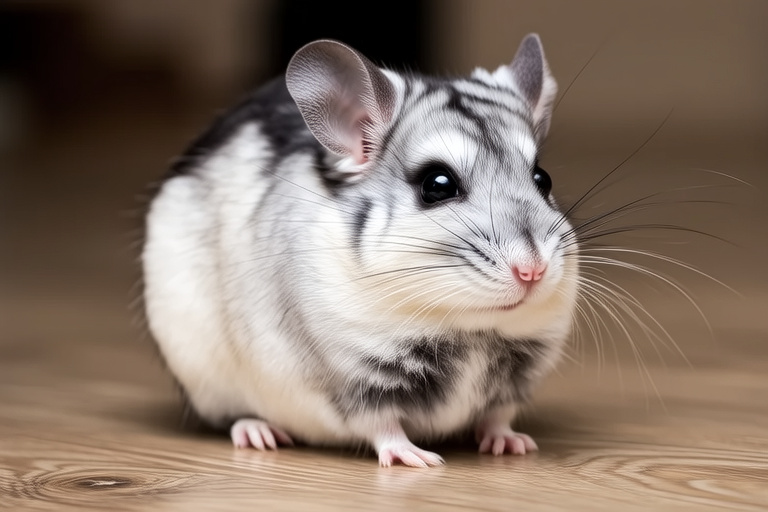
From Playful to Plump: Common Health Issues in Chinchillas
Chinchillas are among the most cherished pets, renowned for their playful and curious natures. Originating from the Andes Mountains, these small rodents have captured the hearts of many due to their plush, soft fur and unique behaviors. However, like any other pet, they are susceptible to various health issues, particularly when their lifestyle deviates from what nature intended. One significant concern for chinchilla owners is the rise of obesity, which can lead to a host of health complications.
Why Do Chinchillas Gain Excessive Weight?
Chinchillas, much like other pets, can become overweight due to several factors. The primary culprits include poor diet, lack of exercise, and genetic predisposition. Owners who provide too many treats or pellets high in fat and sugar contribute significantly to their pet’s weight gain. Additionally, limited physical activity, often a result of living in cages that don’t encourage movement, exacerbates the problem. Understanding these factors is crucial for maintaining your chinchilla’s health and well-being.
Major Health Problems Associated with Obesity in Chinchillas
Dental Issues
One of the most prevalent health issues linked to obesity in chinchillas is dental problems. Overweight chinchillas tend to chew less, leading to overgrown teeth. This condition, known as malocclusion, can cause severe pain and difficulty eating. Regular dental checks and providing appropriate chew toys are essential to prevent this issue.
Heart Disease
Excess weight places undue stress on a chinchilla’s cardiovascular system, increasing the risk of heart disease. Just like humans, obese chinchillas are more likely to suffer from hypertension and heart failure. Ensuring a balanced diet and regular exercise can help mitigate these risks.
Respiratory Problems
Obesity can also impact a chinchilla’s respiratory system, causing breathing difficulties. Extra weight compresses the chest cavity, making it harder for them to breathe. This can lead to chronic respiratory issues and, in severe cases, pneumonia. Maintaining a healthy weight is crucial for supporting respiratory health.
Skin Conditions
Overweight chinchillas may develop skin conditions due to their inability to groom themselves effectively. Their excess weight can make it difficult for them to reach certain areas of their body, leading to matting and sores. Regular grooming sessions and ensuring your chinchilla has the space to move around freely can help prevent these issues.
Joint Ailments
Another serious consequence of obesity is joint problems. The extra strain on joints can lead to arthritis and other painful conditions. Keeping your chinchilla at a healthy weight reduces the likelihood of developing joint issues and ensures they remain active and comfortable.
Preventing Health Issues Through Proper Care
Preventing obesity and its associated health problems starts with a well-balanced diet. Provide your chinchilla with high-quality hay, fresh water, and a limited amount of pellets specifically designed for their nutritional needs. Avoid feeding them human snacks or sugary treats.
Exercise is equally important. Encourage your chinchilla to move by providing ample space within their cage and allowing supervised playtime outside the cage. Chew toys and tunnels can also stimulate their natural chewing and climbing behaviors.
Regular veterinary check-ups are indispensable. Your veterinarian can monitor your chinchilla’s weight, dental health, and overall well-being. They can offer personalized advice and early intervention if any health issues arise.
Recognizing Signs of Illness and Quick Intervention
Early detection of health issues is critical for the well-being of your chinchilla. Look out for changes in behavior, appetite, and litter box habits. If your chinchilla becomes lethargic, loses interest in food, or shows signs of discomfort, it’s time to consult a veterinarian.
Quick intervention can mean the difference between a minor issue and a serious health crisis. Don’t hesitate to seek professional help if you notice anything unusual. By staying vigilant and proactive, you can ensure your chinchilla lives a long and healthy life.