
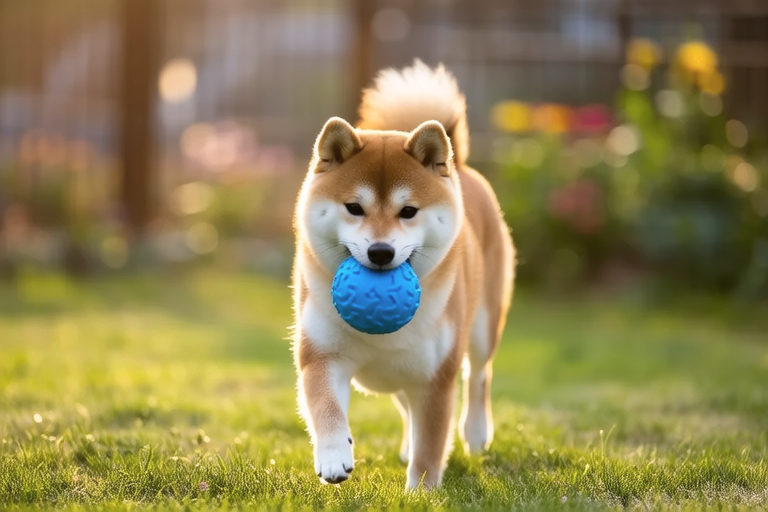
Secrets to Keeping Your Shiba Inu Happy and Healthy
Welcome to this comprehensive guide on how to keep your Shiba Inu happy and healthy. Whether you’re a first-time owner or a seasoned pet parent, understanding the unique needs of your Shiba Inu can greatly enhance both your life and theirs. This article will cover dietary needs, exercise routines, grooming tips, common health issues, training methods, and environmental enrichment ideas.
Dietary Needs Tailored for Shibas
Shibas have specific dietary requirements to thrive. They need a balanced diet rich in protein, vitamins, and minerals. High-quality dog food brands offer formulations specifically designed for small breeds like Shibas. Look for foods with meat as the primary ingredient, avoiding fillers such as corn, wheat, or soy.
Avoid overfeeding by measuring meals according to your Shiba’s weight and activity level. Obesity is a common issue among dogs, especially those with independent personalities like Shibas. Consult your veterinarian about appropriate portion sizes.
Incorporate fresh vegetables and fruits into their diet occasionally. Carrots, green beans, and blueberries are safe options. Always introduce new foods gradually to prevent digestive upset.
Exercise Routines Suitable for Their Energy Levels
Shibas are energetic and require regular physical activity to stay fit and happy. Daily walks are essential, providing mental stimulation and social interaction. Aim for at least two 30-minute walks per day. However, Shibas also enjoy shorter, more frequent walks if you prefer.
Interactive play sessions are beneficial. Fetch, tug-of-war, and puzzle toys engage their minds while burning off excess energy. Consider agility courses or obedience classes for additional mental stimulation.
Remember, Shibas are independent thinkers. Reward-based training during play can encourage participation. Positive reinforcement, like treats or praise, motivates them to engage in activities.
Grooming Tips to Maintain Their Coat Health
Shibas have a double coat that requires regular grooming. Brush them weekly to remove loose hair and prevent matting. Use a slicker brush to reach through the topcoat to the undercoat. Bathing every few months is sufficient; over-bathing strips natural oils from their skin.
Inspect their ears weekly for signs of infection, such as redness, odor, or discharge. Clean gently with a cotton ball dipped in ear-cleaning solution. Trim nails when necessary to prevent overgrowth and discomfort.
During shedding seasons, increase brushing frequency to twice a week. This helps manage shedding indoors and keeps your home cleaner.
Common Health Issues and Preventive Care
Shibas are generally healthy but prone to certain conditions. Hip dysplasia, patellar luxation, and hypothyroidism are genetic concerns. Regular veterinary check-ups help detect these issues early.
Vaccinations protect against common diseases. Discuss vaccination schedules with your vet based on your Shiba’s age and lifestyle. Parasite control is crucial; monthly heartworm prevention and flea/tick treatments are recommended.
Monitor your Shiba’s weight and provide a balanced diet. Obesity leads to joint problems and other health issues. Regular exercise and portion control are key.
Training Methods That Respect Their Independent Nature
Shibas are intelligent but independent, making them challenging to train. Positive reinforcement works best. Reward good behavior with treats, praise, or playtime. Consistency is vital; use the same commands and rewards each time.
Short training sessions are more effective than long ones. Focus on one command at a time. Keep sessions fun and engaging to maintain interest. Avoid harsh punishment, which can damage trust and hinder progress.
Socialization is crucial for Shibas. Expose them to various environments, people, and animals from a young age. This helps them become well-adjusted adults.
Environmental Enrichment Ideas to Stimulate Their Minds
Provide mental stimulation through interactive toys and puzzles. These challenge their problem-solving skills and keep them engaged. Rotate toys periodically to maintain novelty.
Create a stimulating environment with obstacles, tunnels, and platforms for climbing. Hide treats around the house for a treasure hunt. This encourages exploration and problem-solving.
Consider adopting another dog for companionship. Shibas often benefit from having a canine buddy, provided they get along well. Ensure adequate space and supervision to prevent conflicts.
Summary of Key Points
- Diet: Provide high-protein, low-fillers dog food. Include occasional fresh vegetables and fruits.
- Exercise: Daily walks, interactive play sessions, and agility training.
- Grooming: Weekly brushing, monthly baths, and regular ear cleaning.
- Health: Regular vet visits, vaccinations, parasite control, and monitoring weight.
- Training: Positive reinforcement, short sessions, consistency, and socialization.
- Enrichment: Interactive toys, puzzles, and a stimulating environment.
By following these guidelines, you’ll ensure your Shiba Inu lives a long, healthy, and joyful life. Remember, every Shiba is unique, so tailor these suggestions to suit your individual dog’s needs.