
The Evolutionary Journey of the Shiba Inu
The Shiba Inu is a small, spitz-type breed of dog originating in Japan. Known for its fox-like appearance and independent nature, the Shiba Inu has a rich history that spans thousands of years. This article explores the breed’s evolutionary journey, from its ancestral roots among wild wolves to its current status as a beloved lap dog. We will discuss key milestones in the Shiba Inu’s development, including geographical influences, selective breeding practices, and significant traits that have been preserved or altered over time. Additionally, we will highlight the Shiba Inu’s role in Japanese culture, its unique characteristics, and any challenges or controversies related to its popularity.
Origins and Ancestral Roots
The Shiba Inu shares a common ancestor with other spitz-type dogs, such as the Siberian Husky and the Alaskan Malamute. These breeds can trace their lineage back to the ancient wolf populations that once roamed Eurasia. The Shiba Inu’s ancestors likely migrated across the Bering Land Bridge, which connected Asia and North America during the last Ice Age. As these early dogs adapted to life in Japan, they became smaller and more agile, developing traits that made them well-suited for hunting in the dense forests and mountainous regions of the country.
Geographical Influences on the Shiba Inu
The Shiba Inu’s development was heavily influenced by the geography of Japan. The breed originated in the mountainous regions of Honshu, the largest island in the Japanese archipelago. Here, the dogs were used for hunting small game, such as birds and rodents. The harsh climate and rugged terrain of these areas required the Shiba Inu to be physically robust and highly adaptable. Over time, the breed developed a thick double coat that provided insulation against the cold and protection from the elements. Additionally, the Shiba Inu’s keen sense of smell and sharp eyesight allowed it to excel in its role as a hunter.
Selective Breeding Practices
The Shiba Inu’s evolution was also shaped by centuries of selective breeding. Breeders sought to enhance specific traits, such as size, temperament, and physical appearance. One of the most significant milestones in the breed’s development occurred during the Meiji period (1868-1912), when the Japanese government began promoting native dog breeds as part of a broader effort to preserve traditional Japanese culture. This initiative helped to standardize the Shiba Inu’s appearance and establish it as a distinct breed.
In the early 20th century, the Shiba Inu faced near extinction due to a combination of factors, including natural disasters and crossbreeding with other dog breeds. However, dedicated breeders worked tirelessly to restore the breed to its former glory. Today, the Shiba Inu is recognized by the American Kennel Club and other major kennel clubs around the world.
Key Traits of the Shiba Inu
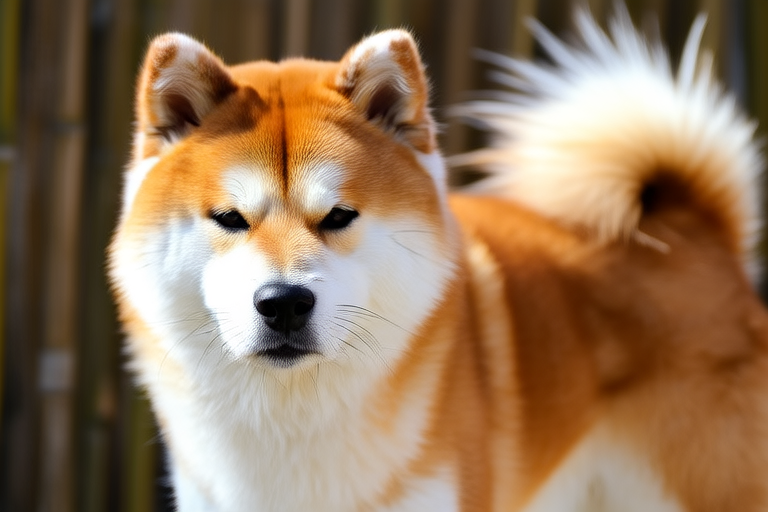
The Shiba Inu is known for its distinctive appearance, which includes a fox-like face, pointed ears, and a curled tail. The breed’s coat is typically red, although variations in color, such as sesame (red with black tips) and black and tan, are also recognized. The Shiba Inu’s compact body and sturdy build make it well-suited for agility and endurance. Additionally, the breed is renowned for its intelligence, independence, and loyalty.
One of the most notable traits of the Shiba Inu is its “Shiba scream,” a high-pitched vocalization that the dog uses to express excitement or frustration. This behavior, while amusing to some, can be challenging for owners who are not prepared for it. Another unique characteristic of the Shiba Inu is its tendency to clean itself like a cat, often licking its paws and grooming its fur.
The Shiba Inu in Japanese Culture
The Shiba Inu holds a special place in Japanese culture, symbolizing strength, resilience, and adaptability. In addition to its role as a working dog, the breed has long been appreciated for its aesthetic qualities. The Shiba Inu is often featured in Japanese art and literature, and its image is frequently used in advertising and marketing campaigns. The breed’s popularity has grown significantly in recent years, both within Japan and internationally.
The Shiba Inu’s role in Japanese culture extends beyond its status as a pet. The breed is also used in therapy programs, where its calming presence and gentle demeanor help to reduce stress and anxiety in people of all ages. Additionally, the Shiba Inu is often employed as a service dog, assisting individuals with disabilities in navigating their daily lives.
Challenges and Controversies
Despite its many positive attributes, the Shiba Inu is not without its challenges. One of the most significant issues facing the breed is the prevalence of genetic disorders, such as hip dysplasia and progressive retinal atrophy. These conditions can cause pain and discomfort for affected dogs and can lead to expensive veterinary care for their owners. To address this problem, responsible breeders prioritize health testing and work to improve the overall genetic diversity of the breed.
Another challenge facing the Shiba Inu is its growing popularity, which has led to concerns about irresponsible breeding and puppy mills. These operations prioritize profit over the welfare of the dogs, producing animals that are unhealthy, poorly socialized, and lacking in proper training. To combat this issue, organizations such as the American Kennel Club and the Japanese Kennel Club offer resources and guidance to help potential owners find reputable breeders and adopt healthy, well-adjusted Shiba Inus.
Genetic Makeup and Modern Adaptation
The Shiba Inu’s genetic makeup reflects its ancient origins while adapting to modern domestic life. Recent studies have shown that the breed shares a common ancestor with other spitz-type dogs, as well as with wolves. However, the Shiba Inu’s genome also contains unique genetic markers that set it apart from other breeds. These markers are thought to be linked to traits such as the breed’s thick double coat, sharp sense of smell, and independent nature.
As the Shiba Inu continues to evolve, it faces new challenges and opportunities. Advances in genetics and animal behavior science are helping breeders and trainers better understand the needs and preferences of the breed. Additionally, the growing popularity of the Shiba Inu is leading to increased interest in the breed’s history and cultural significance. As a result, the Shiba Inu is likely to remain an important part of Japanese culture and a beloved companion for dog lovers around the world.