
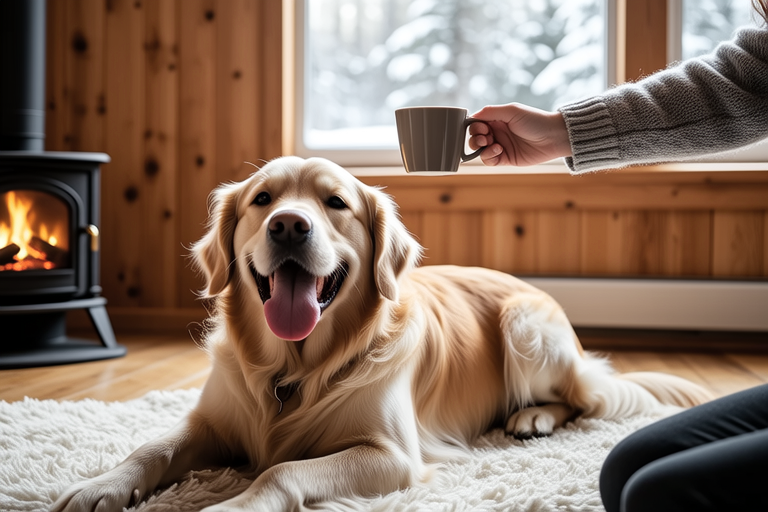
Pet Ownership in Norway: A Unique Cultural Experience
When it comes to pet ownership, Norway stands out as a country with its own distinct set of traditions, legal requirements, and cultural nuances. This article delves into the world of pet ownership in Norway, exploring the legal framework, popular breeds, pet care practices, and the role of pets within Norwegian families. Additionally, we’ll examine how the environment influences pet choices and the integration of pets into outdoor activities that are typical of the Norwegian lifestyle.
The Legal Landscape of Pet Ownership in Norway
In Norway, pet ownership comes with a set of legal responsibilities that reflect the country’s strong commitment to animal welfare. The Animal Welfare Act, which came into effect in 2010, outlines the basic rights of animals and the duties of their owners. According to this act, pet owners must provide their animals with proper food, water, shelter, and medical care. They are also required to ensure that their pets are not subjected to unnecessary pain, suffering, or injury. In addition, there are strict regulations regarding the breeding, selling, and importing of animals, ensuring that only healthy and well-treated animals are available for purchase.
One of the most significant legal requirements for pet owners in Norway is the mandatory microchipping of all dogs. This measure was introduced in 2011 to help identify lost or stolen pets and reduce the number of stray animals. Microchipping has been highly effective, with over 90% of Norwegian dog owners complying with this regulation. Similarly, cats must be neutered before reaching sexual maturity, a policy aimed at controlling the cat population and preventing unwanted litters.
Popular Breeds in Norway
The choice of pet in Norway is influenced by both cultural preferences and environmental factors. Dogs are the most popular pets, with around 40% of households owning at least one dog. The Norwegian Buhund, a herding breed native to Norway, is particularly beloved. Known for its loyalty, intelligence, and adaptability, the Buhund is often seen accompanying its owner on hikes and other outdoor activities. Another popular breed is the Lundehund, a rare breed specifically bred for hunting puffins. Despite its rarity, the Lundehund remains a favorite among Norwegians who appreciate its unique five-toed paws and agility.
Cats are the second most common pets in Norway, with approximately 30% of households owning at least one cat. The Norwegian Forest Cat, a semi-feral breed that has adapted to the harsh Norwegian climate, is a national symbol and a popular choice for many pet owners. These cats are known for their thick, water-resistant coats and independent nature, making them well-suited for life in Norway. Other popular cat breeds include the Maine Coon and the Ragdoll, both of which are appreciated for their friendly dispositions and large size.
Pet Care Practices in Norway
Pet care in Norway emphasizes high standards of health and well-being. Regular veterinary check-ups, vaccinations, and preventive treatments are considered essential for maintaining a pet’s health. Many Norwegian veterinarians offer comprehensive services, including dental care, behavioral consultations, and nutritional advice. Pet owners are encouraged to engage in regular exercise with their pets, recognizing the importance of physical activity for both mental and physical health.
Moreover, pet owners in Norway are increasingly turning to alternative therapies such as acupuncture and homeopathy to complement traditional veterinary care. These practices are often used to manage chronic conditions or to promote overall wellness. For example, a study conducted in 2018 found that nearly 15% of Norwegian dog owners had tried some form of complementary therapy for their pets.
The Role of Pets in Norwegian Families
Pets play an integral role in Norwegian families, providing companionship, emotional support, and a sense of security. Dogs, in particular, are often treated as members of the family, sharing meals, sleeping in the same room, and participating in daily activities. Cats, while more independent, also contribute to the emotional well-being of their owners. A survey conducted in 2020 revealed that over 70% of Norwegian pet owners reported feeling less stressed after spending time with their pets.
Furthermore, pets are often involved in family events and celebrations. It’s not uncommon to see dogs participating in parades or attending weddings as ring-bearers. Some families even take their pets on vacation, ensuring that they can enjoy quality time together in various locations throughout Norway.
Environmental Influences on Pet Choices
The rugged landscape and harsh winters of Norway have a significant impact on pet choices. The availability of outdoor spaces for pets to roam freely is a crucial factor for many pet owners. With vast forests, mountains, and fjords, Norway offers ample opportunities for dogs to explore and exercise. As a result, breeds that excel in cold weather, such as the Norwegian Elkhound and the Samoyed, are popular choices for those seeking active, outdoor companions.
The long, dark winters also influence pet behavior and care. Indoor lighting systems and behavioral training are often employed to help pets cope with the reduced daylight hours. Many pet owners report that their dogs and cats exhibit changes in behavior during the winter months, such as increased sleepiness or restlessness. To address these issues, some veterinarians recommend supplements like melatonin to help regulate sleep patterns.
Integration of Pets into Outdoor Activities
The Norwegian lifestyle, characterized by its emphasis on outdoor activities, seamlessly integrates pets into everyday life. Hiking, skiing, and camping are popular pastimes, and pets are frequently invited to join in the fun. Dog sled racing, a traditional winter sport, is especially popular, with many Norwegians training their dogs for competition. The Norwegian Elkhound, known for its stamina and endurance, is a favorite breed for this activity.
Additionally, many parks and recreational areas in Norway are pet-friendly, allowing owners to bring their dogs along for walks and picnics. Some municipalities even organize special events, such as dog festivals and agility competitions, to celebrate the bond between humans and their canine companions. These events not only provide entertainment but also serve as a platform for education and awareness about responsible pet ownership.
Challenges and Benefits Faced by Pet Owners in Norway
Despite the many advantages of pet ownership in Norway, there are also challenges that pet owners face. One of the primary challenges is the cost of pet care, particularly for large or multiple pets. Veterinary expenses, grooming, and specialized foods can add up quickly. However, many pet owners find ways to manage these costs through budgeting and careful planning.
Another challenge is the limited availability of certain breeds, particularly those that are not well-suited to the Norwegian climate. For instance, tropical fish or reptiles require specialized care and equipment, which may not be readily available in all regions of the country. However, this limitation also ensures that only suitable pets are brought into the country, reducing the risk of introducing invasive species.
On the other hand, there are numerous benefits to being a pet owner in Norway. The strong sense of community among pet owners fosters a supportive network of friends and resources. Many towns and cities have local pet clubs and associations that organize events and provide information on pet-related topics. Additionally, the natural beauty of Norway provides endless opportunities for outdoor adventures with pets, creating lasting memories for both owners and their furry companions.
Conclusion
Pet ownership in Norway is a rich and diverse experience that reflects the country’s commitment to animal welfare, outdoor living, and family values. From the legal requirements that protect animals’ rights to the cultural significance of popular breeds, every aspect of pet ownership in Norway is carefully considered and respected. By integrating pets into their daily lives, Norwegians create strong bonds with their animal companions, fostering a sense of belonging and happiness. Whether enjoying a hike through the forest or cuddling up by the fire on a snowy evening, pets play a vital role in the lives of many Norwegian families.