
Pets in Norway: Unique Characteristics, Lifestyles, and Cultural Significance
Norway is a country renowned for its stunning landscapes, rich cultural heritage, and a deep appreciation for nature. This love for the outdoors also extends to the types of pets Norwegians choose to share their lives with. From traditional dogs and cats to more exotic creatures, the diversity of pets in Norway reflects the country’s unique climate, environment, and cultural values. In this article, we explore the various types of pets found in Norway, their unique characteristics, and the challenges and joys of pet ownership in this Nordic nation.
Popular Pet Breeds in Norway
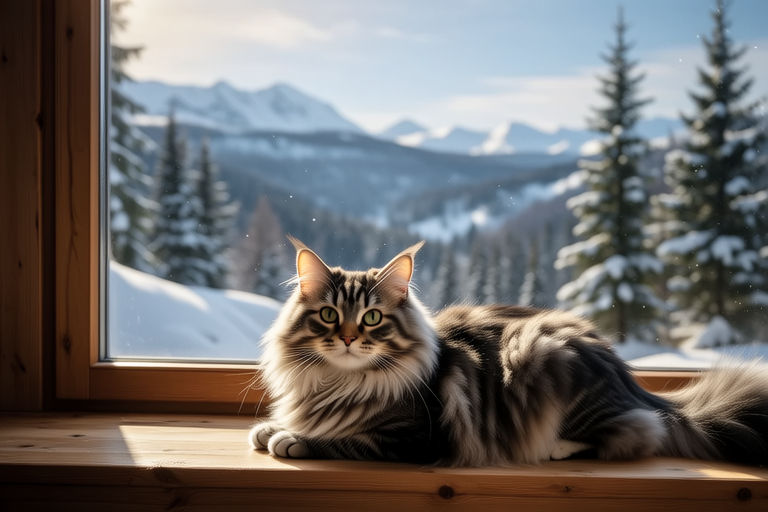
Dogs are one of the most common pets in Norway, with several breeds being particularly popular. The Norwegian Elkhound, for instance, is a breed native to Norway and has been used for centuries as a hunting and herding dog. Known for its loyalty, intelligence, and adaptability, the Norwegian Elkhound is well-suited to the Norwegian climate and terrain. Other popular dog breeds include the Samoyed, the Border Collie, and the Labrador Retriever. Cats are also widely kept as pets in Norway, with the Norwegian Forest Cat being a breed that originated in the country. These cats are known for their thick fur, which helps them withstand the cold Norwegian winters.
In addition to dogs and cats, other animals such as rabbits, guinea pigs, and birds are also popular pets in Norway. Fishkeeping is also a common hobby, with many Norwegians keeping aquariums in their homes. The cold water fish species are especially popular among fish enthusiasts in Norway.
Pet Care Practices Specific to the Norwegian Climate and Environment
The harsh Norwegian winters pose unique challenges for pet owners. Many Norwegians take extra precautions to ensure their pets are comfortable during the colder months. For example, they may provide their pets with warm, insulated bedding, and ensure that outdoor areas are properly sheltered from the elements. Some pet owners even use heated beds or mats for their pets to sleep on during the coldest days.
Outdoor exercise is an essential part of pet care in Norway, but it can be challenging during the winter months. Many Norwegians take their dogs for walks early in the morning or late at night when the temperatures are slightly warmer. Others opt for indoor activities, such as playing fetch or teaching new tricks. It is also common for Norwegians to take their dogs to dog parks or hiking trails where they can run and play off-leash.
Veterinary care is another important aspect of pet ownership in Norway. While there are many veterinarians in Norway, finding one who specializes in exotic pets can be challenging. Additionally, the cost of veterinary care can be high, so many pet owners invest in pet insurance to help cover unexpected medical expenses. It is also important to note that some medications and treatments that are available in other countries may not be approved for use in Norway, so it is crucial to consult with a veterinarian before administering any medication to a pet.
The Role of Pets in Norwegian Culture
Pets play an important role in Norwegian culture, and many Norwegians view their pets as members of the family. In fact, it is common for Norwegians to bring their pets along on vacations, and many hotels and vacation rentals are pet-friendly. Pets are also frequently featured in Norwegian media, including television shows, movies, and advertisements.
The bond between humans and animals in Norway is often celebrated through cultural events and festivals. One such event is the annual “Hundesprint” (dog race) held in Tromsø, which draws participants and spectators from all over Norway. Another popular event is the “Katter i Kultur” (Cats in Culture) festival, which celebrates the role of cats in Norwegian art, literature, and history.
Historical and Cultural Events Related to Pets in Norway
The relationship between humans and animals in Norway dates back centuries. Dogs have been used for hunting and herding for thousands of years, and many breeds, such as the Norwegian Elkhound, were developed specifically for these purposes. In more recent times, the rise of urbanization and industrialization has led to changes in the way Norwegians interact with animals. While working animals are still valued, many people now keep pets primarily for companionship.
One significant historical event related to pets in Norway is the establishment of the first animal welfare organization in the country in 1897. The Norwegian Society for the Prevention of Cruelty to Animals (Norsk Djervelskapsselskap) was founded to promote the humane treatment of animals and raise awareness about animal welfare issues. Today, there are many organizations in Norway that work to protect animals and promote responsible pet ownership.
Challenges Faced by Pet Owners in Norway
While owning a pet in Norway can be rewarding, it also comes with its own set of challenges. One of the biggest challenges is the cost of veterinary care, which can be expensive. Many Norwegians invest in pet insurance to help cover unexpected medical expenses. Another challenge is the limited availability of specialized veterinary care for exotic pets. While there are many veterinarians in Norway, finding one who specializes in exotic pets can be difficult.
Seasonal considerations are also a significant challenge for pet owners in Norway. The long, dark winters can make it difficult to provide pets with enough outdoor exercise, while the short summers can be busy with outdoor activities. Additionally, the cold weather can cause health problems for some pets, such as hypothermia or frostbite. It is important for pet owners to be aware of these risks and take steps to protect their pets during the colder months.
Regulations surrounding pet ownership in Norway are also strict. For example, all dogs must be registered with the Norwegian Kennel Club, and owners are required to pay an annual registration fee. There are also strict laws governing the breeding of dogs, and owners are required to spay or neuter their pets if they do not intend to breed them. Additionally, there are regulations governing the importation of pets into Norway, which can be complex and time-consuming.
Stories and Anecdotes Illustrating the Special Bond Between Norwegians and Their Pets
The bond between humans and animals in Norway is often celebrated through stories and anecdotes. One such story is that of a Norwegian woman who adopted a stray cat that had been living on the streets for years. After taking the cat home, she noticed that the cat seemed to have a special connection with her elderly neighbor, who was struggling with loneliness. The woman allowed the cat to visit the neighbor, and soon the two became inseparable. The neighbor’s mood improved, and the cat provided much-needed companionship.
Another anecdote involves a Norwegian man who rescued a wounded bird after it flew into his window. He cared for the bird until it was strong enough to fly again and then released it back into the wild. The bird returned the following year and nested near the man’s home, as if to say thank you. Stories like these illustrate the deep connection between Norwegians and their animals and highlight the importance of kindness and compassion towards all living beings.
In conclusion, pets play an important role in Norwegian culture, and the bond between humans and animals is deeply valued. Whether it is a loyal dog, a playful cat, or a colorful fish, pets bring joy and companionship to the lives of many Norwegians. While there are challenges associated with pet ownership in Norway, such as the cost of veterinary care and strict regulations, the rewards of sharing life with a pet far outweigh the difficulties. As the Norwegian saying goes, “A dog is a man’s best friend,” and this sentiment rings true in Norway as it does in many other parts of the world.