
Chameleon Diet Decoded: What You Need to Know Before Feeding Your Pet
Introduction:
Chameleons are fascinating creatures, known for their vibrant color changes and unique body structures. However, their care requires specific knowledge, especially when it comes to their diet. This article aims to provide an in-depth look at what chameleons need to thrive, including the variety of insects suitable for their diet, the importance of gut-loading these insects, necessary supplementation for calcium and vitamins, hydration methods, frequency of feeding, common feeding mistakes to avoid, and signs of malnutrition or overfeeding.
The Variety of Insects Suitable for Their Diet
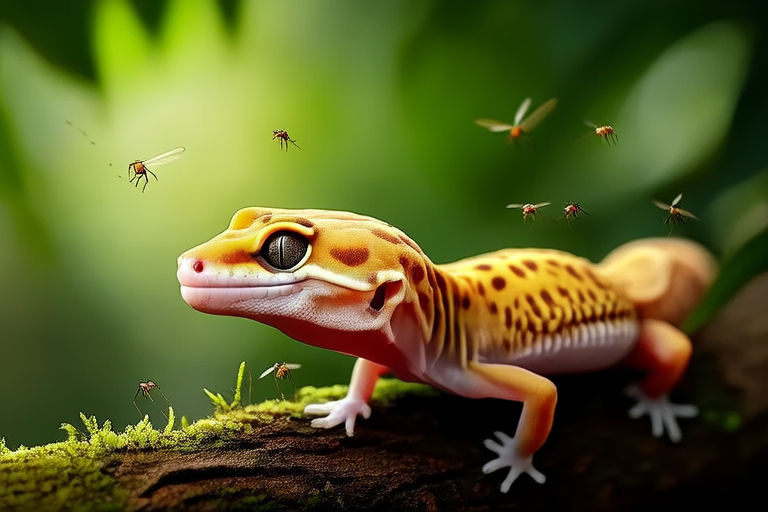
Chameleons are insectivores, which means their diet primarily consists of insects. The most commonly fed insects include crickets, dubia roaches, silkworms, hornworms, and waxworms. Each type of insect offers different nutritional profiles, making it important to vary the diet to ensure your chameleon receives a balanced intake of nutrients.
Crickets are a staple food, rich in protein and relatively easy to find. Dubia roaches are another excellent choice as they are high in protein and lower in fat compared to crickets. Silkworms are particularly beneficial due to their high moisture content, which aids in hydration. Hornworms offer a good balance of protein and fats, while waxworms are often used as a treat due to their higher fat content.
The Importance of Gut-Loading These Insects
Gut-loading refers to the process of feeding nutritious foods to the insects before they are offered to the chameleon. This ensures that the chameleon benefits from the vitamins and minerals present in the gut-loaded insects. Common gut-loading foods include collard greens, mustard greens, dandelion greens, and squash. By providing these nutritious foods to the insects, you can significantly enhance the nutritional value of the prey items.
It’s important to note that the gut-loading period should be at least 24 hours before feeding the insects to the chameleon. This allows the insects to digest and assimilate the nutrients from the gut-loading foods, ensuring that the chameleon receives the maximum benefit.
Necessary Supplementation for Calcium and Vitamins
Calcium and vitamin D3 are crucial for maintaining strong bones and preventing metabolic bone disease (MBD), a condition where the bones become weak and brittle due to calcium deficiency. Chameleons require regular supplementation to meet their calcium needs.
Calcium powder should be dusted onto the insects before feeding. It’s recommended to dust every other feeding or every third feeding, depending on the chameleon’s age and species. Vitamin D3 is essential for calcium absorption, and it can be provided through UVB lighting or via supplements. However, care must be taken not to over-supplement, as excessive vitamin D3 can lead to toxicity.
In addition to calcium and vitamin D3, multivitamin supplements are also beneficial. They should be used sparingly, as overuse can disrupt the delicate balance of nutrients in the chameleon’s diet.
Hydration Methods
Chameleons obtain most of their water through the food they eat, but additional hydration methods are necessary to ensure they stay hydrated. Misting the enclosure daily with a spray bottle is an effective way to provide water droplets for the chameleon to drink. Water bowls can be placed in the enclosure, but many chameleons prefer to lap up water droplets from leaves and surfaces rather than drinking from a bowl.
Another method is to use a drip system, which slowly drips water into the enclosure, creating water droplets on plants and branches. This mimics natural conditions and encourages the chameleon to drink.
Frequency of Feeding
The frequency of feeding depends on the age and size of the chameleon. Young chameleons generally require more frequent feedings, typically two to three times a day, while adult chameleons may only need to be fed once a day. Smaller chameleons can eat smaller insects, such as pinhead crickets, while larger chameleons can handle larger prey items like dubia roaches.
It’s important to monitor the chameleon’s weight and body condition to adjust the feeding schedule accordingly. Overfeeding can lead to obesity, while underfeeding can result in malnutrition.
Common Feeding Mistakes to Avoid
One common mistake is offering inappropriate prey items, such as wild-caught insects, which may carry parasites or pesticides harmful to the chameleon. Another mistake is not gut-loading the insects, leading to a less nutritious diet. Over-supplementation, particularly with vitamin D3, can also be detrimental.
Additionally, feeding too infrequently or providing insufficient variety can lead to nutritional deficiencies. On the other hand, overfeeding can cause obesity and related health issues. Always ensure that the chameleon has access to a balanced diet and appropriate hydration.
Signs of Malnutrition or Overfeeding
Signs of malnutrition in chameleons can include lethargy, loss of appetite, swollen limbs, and deformities in the jaw or spine. Overfeeding can result in obesity, leading to difficulty moving, respiratory problems, and reduced lifespan.
If you notice any of these signs, it’s important to consult a veterinarian specializing in reptiles. They can provide guidance on adjusting the diet and supplementation to address the underlying issue.
Conclusion:
Feeding your chameleon properly is crucial for its health and longevity. By understanding the variety of insects suitable for their diet, the importance of gut-loading, necessary supplementation, hydration methods, and the frequency of feeding, you can provide your pet with the best possible care. Avoiding common feeding mistakes and being aware of signs of malnutrition or overfeeding will help ensure your chameleon thrives in captivity. Responsible chameleon care involves ongoing learning and adaptation, so stay informed and committed to your pet’s well-being.