
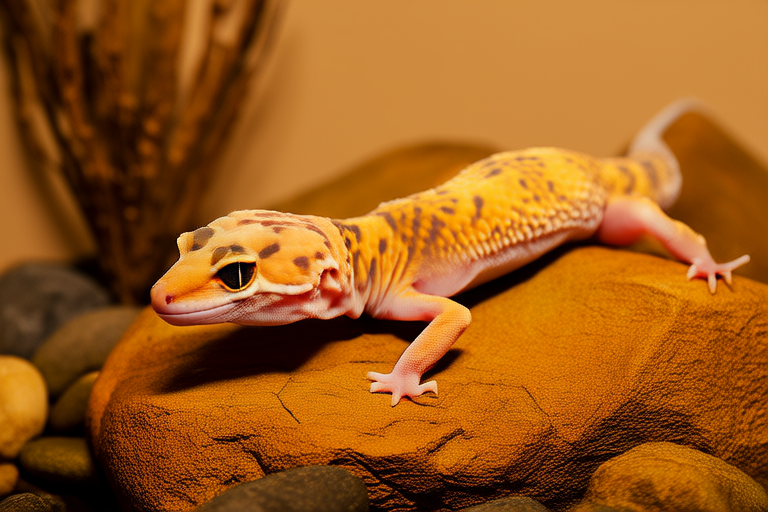
Leopard Gecko Care Made Easy: Essential Tips and Tricks
Welcome to the wonderful world of leopard geckos! These charming reptiles are popular pets due to their docile nature and relatively low maintenance requirements. However, like any other pet, they require specific care to ensure their health and happiness. In this article, we will guide you through the essential aspects of leopard gecko care, including habitat setup, temperature control, feeding guidelines, hydration methods, health monitoring, and handling tips. By following these straightforward tips, you’ll be able to provide your gecko with a safe, comfortable environment that promotes its well-being.
Habitat Setup: Creating a Safe and Comfortable Home
The first step in leopard gecko care is setting up a suitable habitat. A proper enclosure ensures that your gecko has enough space to move around, hide, and thermoregulate. For a single adult gecko, a 10-gallon tank is adequate; however, larger enclosures are recommended for multiple geckos or if you plan to breed them.
- Substrate: Avoid loose substrates like sand or wood shavings, as they can cause impaction. Opt for safer alternatives such as paper towels, reptile carpet, or tile.
- Hiding Spots: Geckos need hiding spots to feel secure. You can use half logs, cork bark, or plastic caves.
- Temperature Gradient: Create a temperature gradient by placing a heat source at one end of the tank. The warm side should be between 88°F and 90°F (31°C-32°C), while the cool side should be around 75°F to 80°F (24°C-27°C).
- Humidity: Leopard geckos thrive in dry environments with humidity levels between 30% and 40%. Proper ventilation is crucial to prevent mold growth and respiratory issues.
Temperature Control: Keeping Your Gecko Warm and Comfortable
Maintaining the right temperature is vital for your gecko’s digestion and overall health. Use a reliable thermostat to monitor the temperature in the enclosure and adjust it as needed. Common heating elements include under-tank heaters, heat mats, and ceramic heat emitters. It’s essential to provide a basking spot where your gecko can regulate its body temperature.
- Avoid Overheating: Be cautious not to overheat the enclosure, which can lead to dehydration and stress.
- Nighttime Cooling: Leopard geckos prefer cooler temperatures at night. Allow the temperature to drop slightly to mimic their natural environment.
- Thermometer Placement: Place thermometers at both ends of the enclosure to monitor the temperature gradient accurately.
Feeding Guidelines: Nourishing Your Gecko Properly
Leopard geckos are insectivores, meaning their diet consists mainly of insects. Crickets, mealworms, and dubia roaches are popular choices. It’s important to feed your gecko appropriately sized prey items, typically no larger than the space between its eyes. Feed juveniles daily, while adults can be fed every two to three days.
- Dust Prey with Calcium: Dust the insects with calcium powder to ensure your gecko gets the necessary nutrients. This is especially important for growing geckos and females who are egg-laying.
- Variety is Key: Introduce variety into your gecko’s diet to provide a balanced nutrition. Consider offering wax worms, superworms, and phoenix worms as occasional treats.
- Avoid Toxic Foods: Never feed your gecko insects caught outside, as they may contain pesticides or harmful substances. Also, avoid feeding mealworms exclusively, as they can be tough to digest.
Hydration Methods: Ensuring Proper Water Intake
While leopard geckos don’t drink water directly from a bowl, they still require moisture for proper hydration. Providing a shallow water dish is essential, but it’s equally important to mist the enclosure lightly twice a week. This mimics the natural humidity levels found in their native habitats and encourages geckos to lap up droplets.
- Water Bowl Maintenance: Clean the water dish regularly to prevent bacterial growth. Change the water daily and wash the dish with a mild disinfectant.
- Misting Technique: Mist the enclosure during the evening when the gecko is most active. Ensure the substrate doesn’t become overly damp, which can lead to mold growth.
- Monitor Hydration Levels: Keep an eye on your gecko’s skin condition. Dry, wrinkled skin may indicate dehydration, while puffy eyes could suggest overhydration.
Health Monitoring: Detecting Early Signs of Illness
Regular health checks are crucial to catch any potential issues early. Observe your gecko’s behavior, appetite, and appearance daily. Look out for signs of illness such as lethargy, loss of appetite, difficulty breathing, or unusual feces. If you notice anything concerning, consult a veterinarian specializing in reptiles.
- Weight Check: Weigh your gecko weekly to track its weight. Sudden weight loss or gain could indicate underlying health problems.
- Behavioral Changes: Pay attention to changes in your gecko’s behavior. Hiding excessively or refusing food may signal distress.
- Shedding Issues: Monitor shedding to ensure your gecko sheds properly. Retained shed, particularly around the toes, can lead to complications.
Handling Tips: Building a Bond with Your Gecko
Handling your gecko gently and frequently helps build trust and strengthens your bond. Always support the gecko’s body fully and avoid grabbing it by the tail, as it can break off. Here are some tips for safe and enjoyable handling:
- Frequency: Handle your gecko for short periods, about 10-15 minutes, two to three times per week. Over-handling can cause stress.
- Warm Hands: Ensure your hands are warm before handling. Cold hands can shock your gecko and make it more prone to stress.
- Support the Body: When holding your gecko, always support its entire body. Never pick it up by the tail or limbs.
- Patience: Some geckos may take time to become accustomed to handling. Be patient and gentle, and they will eventually become more comfortable with you.
Common Pitfalls to Avoid
As a responsible owner, it’s important to be aware of common mistakes that can affect your gecko’s health. Here are some pitfalls to avoid:
- Improper Substrate: Avoid using substrates that can cause impaction, such as sand or small gravel.
- Overfeeding: Feeding too many insects can lead to obesity and related health issues.
- Inadequate Humidity: Incorrect humidity levels can result in respiratory infections or shedding difficulties.
- Lack of UVB Lighting: Leopard geckos don’t require UVB lighting, but it’s essential to provide them with a heat source for proper digestion.
Conclusion: Enjoying the Journey with Your Leopard Gecko
Caring for a leopard gecko can be a rewarding experience. By providing a safe, comfortable environment and following these essential tips, you’ll help ensure your gecko leads a happy, healthy life. Remember, every gecko is unique, so pay close attention to your pet’s individual needs and preferences. With patience, love, and proper care, you and your gecko will share many delightful moments together.