
Red-eared Slider Behavior Decoded: Understanding Your Pet Turtle
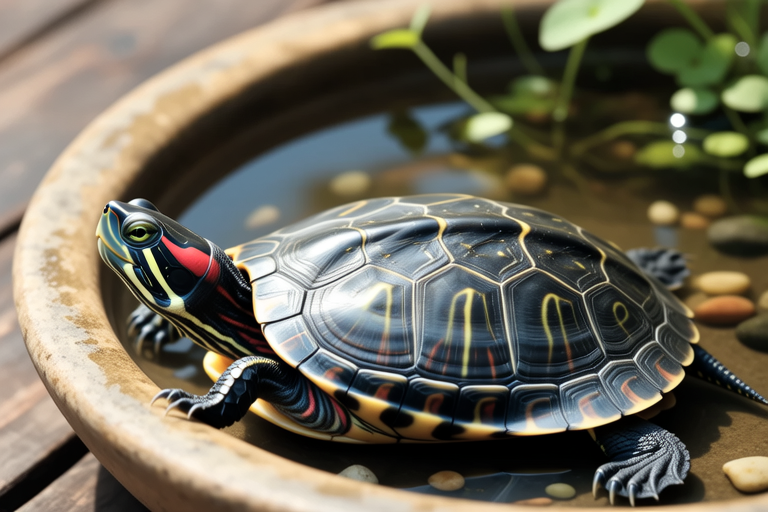
Welcome to the fascinating world of red-eared sliders, one of the most popular pet turtles worldwide. These charismatic reptiles, scientifically known as Trachemys scripta elegans, are native to the warm, freshwater habitats of the southern United States and northern Mexico. Their striking appearance, marked by their green bodies adorned with yellow stripes and distinctive red patches behind each eye, makes them an appealing choice for many turtle enthusiasts.
Natural Habitat and Captive Behavior
In their natural habitat, red-eared sliders can be found in ponds, lakes, and slow-moving rivers. They prefer areas with plenty of aquatic vegetation, basking spots, and clear water. In captivity, these turtles exhibit a range of behaviors that mirror their wild counterparts. One of the first things you might notice is their active nature; they are always on the move, exploring their environment, swimming, and even climbing onto rocks or logs.
Eating Habits
Understanding the eating habits of your red-eared slider is crucial for their health and well-being. Red-eared sliders are omnivores, meaning they consume both plant-based and animal-based foods. As juveniles, they have a more carnivorous diet, feeding on insects, small fish, and snails. However, as they mature, their diet shifts towards more plant matter such as leafy greens, aquatic plants, and commercial turtle pellets.
Feeding frequency varies depending on age. Juveniles should be fed daily, while adults require meals every other day. It’s important to offer a balanced diet to ensure they receive all necessary nutrients. Overfeeding can lead to obesity and health issues, so monitor portion sizes carefully. A good rule of thumb is to feed as much as the turtle can consume in 10-15 minutes.
Basking and UVB Lighting
Basking is an essential behavior for red-eared sliders. In the wild, they spend significant time on land, particularly on warm, sunny days. This activity serves multiple purposes, including thermoregulation, digestion, and vitamin D synthesis. Captive red-eared sliders need a similar setup to mimic this behavior. Provide a sturdy, flat basking platform that allows them to climb out of the water easily.
The importance of UVB lighting cannot be overstated. UVB rays are vital for calcium absorption and bone health. Without adequate exposure, turtles can develop metabolic bone disease, leading to deformities and weakened shells. Invest in a high-quality UVB lamp designed specifically for reptiles, and ensure it covers the entire basking area. Replace the bulb every six months, even if it still appears functional, to maintain optimal output.
Sleeping Patterns and Signs of Stress or Illness
Red-eared sliders are diurnal creatures, meaning they are most active during the day and sleep at night. During the cooler months, they may become less active and spend more time resting. This reduced activity is normal and does not necessarily indicate illness. However, sudden changes in behavior, appetite loss, lethargy, or abnormal swelling around the eyes could be signs of stress or illness.
Common stressors include poor water quality, inadequate temperature gradients, or lack of hiding places. Regularly check the water temperature and pH levels, and ensure there are enough shelters within the tank for your turtle to retreat to when needed. If you suspect your turtle is ill, consult a veterinarian specializing in reptiles for proper diagnosis and treatment.
Interacting Safely and Understanding Communication
Interacting with your red-eared slider can be a rewarding experience, but it requires caution. Turtles have sharp claws and strong jaws, which can cause injury if mishandled. Always support their shell and avoid lifting them by their limbs. Gently scoop them from the water and place them on a flat surface where they feel secure.
Red-eared sliders communicate through various sounds and movements. Hissing or hissing-like sounds can indicate discomfort or fear. Rapid head movements, such as nodding or shaking, might signal agitation or excitement. Observing these behaviors will help you understand your turtle’s moods and respond appropriately.
Maintaining a Healthy Environment
Creating a suitable environment is key to keeping your red-eared slider healthy and happy. The tank size plays a critical role in providing ample space for swimming and basking. A general guideline is to provide at least 10 gallons of water per inch of the turtle’s shell length. For example, a fully grown adult would require a minimum of 80 gallons.
Water quality is equally important. Regularly clean the tank and filter the water to prevent the buildup of harmful bacteria and toxins. Use dechlorinated water, as chlorine can be harmful to your turtle. Additionally, consider adding a water conditioner to remove heavy metals and other contaminants.
Temperature control is another aspect to focus on. Maintain water temperatures between 75°F and 80°F (24°C and 27°C) and ambient air temperatures between 80°F and 85°F (27°C and 29°C). A combination of submersible heaters and overhead heat lamps can help achieve these ranges.
Conclusion
Red-eared sliders are captivating pets that bring joy and wonder to their owners. By understanding their natural behaviors, dietary needs, and environmental requirements, you can ensure your turtle leads a healthy and fulfilling life. Remember, the care and commitment required for these reptiles are substantial, but the rewards of having a thriving pet are immeasurable.