
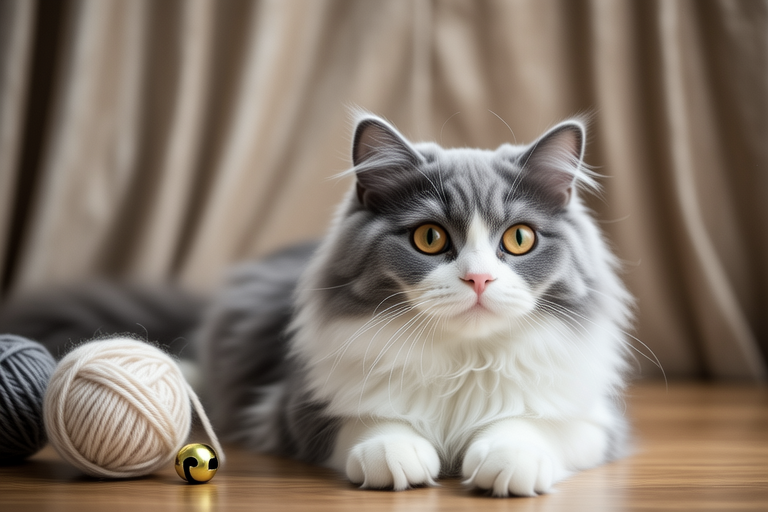
Munchkin Magic: Why These Short-Legged Felines Are Winning Hearts Worldwide
When you think of a cat, the image that comes to mind might be one of grace, elegance, and long, slender legs. But what if I told you there’s a breed of cat that challenges this very stereotype? Enter the Munchkin, a breed known for its unusually short legs. Despite their diminutive stature, Munchkins are winning hearts worldwide with their unique charm, playful nature, and endearing personalities.
A Brief History of the Munchkin
The story of the Munchkin cat began in the late 20th century when a breeder named Sandra Hochenedel discovered a pregnant stray cat with short legs in Louisiana. She named her Blackberry and later mated her with another cat with similar leg length. Their offspring were the first generation of Munchkins. The breed was officially recognized by The International Cat Association (TICA) in 2003, and since then, their popularity has been on the rise.
Their unusual trait of short legs is due to a genetic mutation that affects the long bones in their legs, resulting in a condition similar to achondroplasia, which causes dwarfism in humans. This mutation is dominant, meaning that if a cat carries the gene, it will manifest regardless of the other parent’s genetics.
Unique Characteristics of Munchkin Cats
Munchkins are known for their short, sturdy legs, which give them a distinctive appearance. Despite their short legs, they are surprisingly agile and can jump and climb just like any other cat. Their bodies are medium-sized, muscular, and well-proportioned, making them strong and capable despite their shorter limbs.
One of the most endearing traits of Munchkins is their playfulness. They are often described as having the energy and curiosity of kittens, even into adulthood. Their short legs don’t hinder their ability to explore their surroundings; instead, they seem to find new ways to navigate and interact with their environment. This playful nature makes them excellent companions for families with children, as they enjoy games and interaction.
Another characteristic that sets Munchkins apart is their friendly and social temperament. They are known to be affectionate, loving, and highly adaptable. Munchkins thrive in environments where they can receive plenty of attention and affection from their human companions. They enjoy being around people and are often found lounging on laps or following their owners around the house.
Temperament and Personality
Munchkin cats are known for their friendly and outgoing personalities. They are often described as being very social and enjoy interacting with their human companions. Many Munchkin owners report that their cats are incredibly affectionate and love to be petted, cuddled, and played with. Their playful nature means they are always up for a game, whether it’s chasing a toy or playing hide-and-seek around the house.
One of the reasons Munchkins are so popular is their adaptability. They can adjust easily to different living situations and are comfortable in both small apartments and large homes. Whether you live in a cozy apartment or a spacious house, a Munchkin will likely fit right in. They are also generally good with other pets, including dogs and other cats, making them a great choice for multi-pet households.
Munchkins are also known for their intelligence. They are quick learners and can be trained to perform simple tricks, such as fetching toys or ringing a bell to go outside. Their curious nature means they are always exploring and investigating their surroundings, which keeps them mentally stimulated.
Health Considerations
While Munchkins are generally healthy cats, there are some health considerations to keep in mind. One of the most common concerns is the potential for spinal issues due to their short legs. Because of their unique body structure, Munchkins may be more prone to back problems, such as lordosis (an inward curve of the spine) or spondylosis (spinal arthritis). Regular veterinary check-ups and maintaining a healthy weight can help prevent these issues.
Another concern is the risk of respiratory problems, particularly in brachycephalic breeds. While Munchkins are not brachycephalic, their short legs and compact bodies may increase the risk of respiratory issues. Ensuring your Munchkin has access to fresh air and regular exercise can help promote healthy breathing.
It’s important to note that while these health issues exist, many Munchkins live long, healthy lives without any significant health problems. With proper care and attention, these cats can lead happy, active lives.
Why Munchkins Are Becoming Increasingly Popular
Munchkins have gained popularity for several reasons. Their unique appearance, combined with their friendly and playful personalities, makes them stand out among other cat breeds. Their short legs and compact bodies give them a distinct look that many people find charming and adorable. In addition, their adaptability and social nature make them ideal companions for families and individuals alike.
Real-world examples of Munchkin cats include celebrities and influencers who have adopted these cats. For instance, actress Betty White was known to be a fan of Munchkin cats, and her affection for them helped raise awareness about the breed. Social media platforms have also played a role in increasing the popularity of Munchkins, with countless posts and videos showcasing their playful antics and unique appearance.
Munchkins are also becoming increasingly popular in shelters and rescue organizations. Many people are adopting Munchkins from shelters, providing these cats with loving homes and helping to reduce the number of homeless animals. This trend reflects a growing appreciation for all types of cats, regardless of their physical characteristics.
Caring for Your Munchkin
If you’re considering adding a Munchkin to your family, there are a few things to keep in mind. First and foremost, ensure you provide your cat with a healthy diet and plenty of exercise. Munchkins, like all cats, need regular exercise to stay healthy and maintain a healthy weight. Interactive toys, climbing structures, and playtime with your cat can help keep them active and engaged.
Regular veterinary care is also essential for maintaining your Munchkin’s health. Schedule routine check-ups with your veterinarian to monitor your cat’s overall health and address any potential issues early. Be sure to discuss any concerns you may have about your Munchkin’s unique body structure with your vet, as they can provide guidance on how to best care for your cat.
Finally, remember to provide your Munchkin with plenty of love and attention. These cats thrive on companionship and affection, and spending time with your cat can strengthen your bond and bring joy to both of you.
Conclusion
Munchkin cats are a unique and delightful breed that is winning hearts worldwide. With their short legs, playful personalities, and friendly temperaments, they are a wonderful addition to any home. While there are some health considerations to keep in mind, with proper care and attention, Munchkins can lead long, healthy, and happy lives. Whether you’re a seasoned cat lover or considering adopting your first feline friend, a Munchkin could be the perfect companion for you. So why not embrace the magic of these short-legged felines and welcome a Munchkin into your life?