
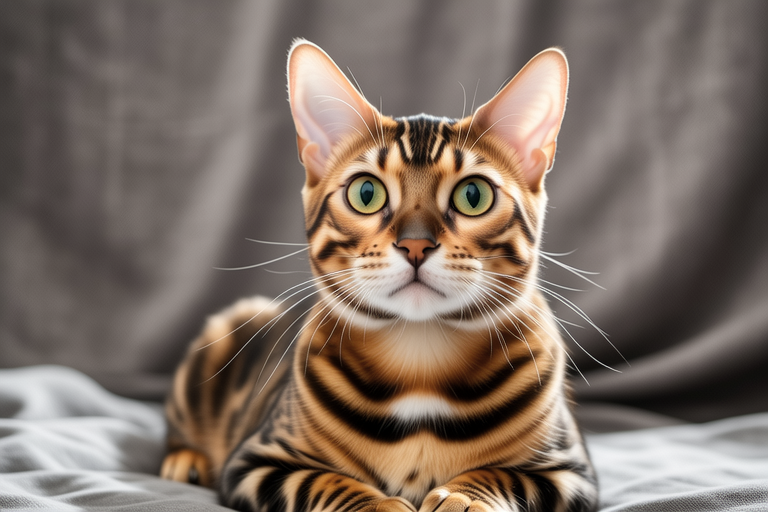
The Ultimate Guide to Owning a Bengal Cat: Tips from Experts
Bengal cats have captured the hearts of many cat lovers with their striking appearance and playful personalities. Known for their luxurious coats and leopard-like spots, these felines are a cross between domestic cats and Asian leopards. However, owning a Bengal cat comes with its own set of responsibilities and challenges. This guide will provide you with expert advice on everything from selecting a healthy Bengal kitten to ensuring a safe and stimulating environment.
Selecting a Healthy Bengal Kitten
Choosing the right Bengal kitten is crucial to ensure a long and happy life together. Look for a breeder who prioritizes the health and well-being of their cats. A reputable breeder will have health clearances for both parents and will be open about any genetic issues within the lineage. The American Association of Feline Practitioners recommends that Bengal kittens should come with a health guarantee and proof of vaccinations.
When visiting the litter, observe the kittens’ behavior. They should be curious and playful but also calm and relaxed around people. Avoid kittens that seem overly shy, aggressive, or lethargic. Check their eyes, ears, and nose for any signs of discharge or infection. Healthy kittens should have clear, bright eyes and ears free from debris. Their noses should be clean and dry.
Dietary Needs Specific to Bengal Cats
Bengal cats are active and energetic, which means they require a diet rich in protein and fats. Choose a high-quality commercial cat food that lists meat as the primary ingredient. Wet food can help maintain hydration and is particularly beneficial for Bengal cats due to their high activity levels. Avoid foods containing artificial preservatives, colors, or flavors.
In addition to commercial diets, Bengals may benefit from occasional treats made from raw or cooked meats. Always consult with your veterinarian before introducing new foods to your cat’s diet. They can provide guidance on portion control and ensure that your Bengal receives the necessary nutrients.
Grooming Requirements
Bengal cats have short, dense fur that requires regular grooming to prevent matting and remove loose hair. Brush your Bengal cat at least once a week with a soft-bristled brush or a grooming glove. This helps distribute natural oils throughout the coat and keeps it shiny and healthy. Bathing is generally unnecessary unless your Bengal gets into something messy.
Bengals are known for their tendency to shed, especially during seasonal changes. Regular brushing can help minimize shedding and reduce the amount of loose hair in your home. Additionally, pay attention to your Bengal’s dental hygiene by providing chew toys and brushing their teeth regularly. This helps prevent dental diseases and keeps their breath fresh.
Exercise and Playtime Recommendations
Bengal cats are incredibly active and require plenty of opportunities for exercise and play. Provide them with a variety of toys, including interactive toys that encourage hunting and chasing behaviors. Puzzle feeders can also stimulate their minds and keep them engaged. Consider setting up climbing structures and perches to allow your Bengal to explore and climb.
Interactive play sessions with your Bengal are essential for bonding and meeting their exercise needs. Spend at least 15-20 minutes each day playing with your cat. Use feather wands, laser pointers, or toy mice to engage their natural hunting instincts. Remember to rotate toys periodically to keep things interesting and exciting for your Bengal.
Training Techniques
Training your Bengal cat can be rewarding and fun. Positive reinforcement techniques, such as clicker training or offering treats, work well with Bengals. Start by teaching basic commands like ‘sit,’ ‘come,’ and ‘stay.’ Reward your cat with praise and treats when they follow instructions correctly. Consistency is key in training, so practice regularly and be patient.
House training is usually straightforward for Bengal cats. Provide a litter box in a quiet, easily accessible area. Clean the litter box daily to encourage proper usage. If your Bengal has accidents outside the litter box, consider consulting with a veterinarian to rule out any medical issues.
Common Health Issues
Bengal cats are generally healthy, but they can be prone to certain conditions. Hypertrophic cardiomyopathy (HCM) is a heart disease that affects some Bengal cats. Regular veterinary check-ups can help detect early signs of HCM. Bengals may also experience patellar luxation, a condition where the kneecap dislocates. Genetic testing can identify carriers of these conditions.
Obesity is another concern for Bengal cats due to their high-calorie diet. Monitor your Bengal’s weight and adjust their diet and exercise routine as needed. Regular veterinary visits can help catch potential health issues early and ensure your Bengal stays healthy and happy.
Creating a Safe and Stimulating Environment
A safe and stimulating environment is essential for the well-being of your Bengal cat. Provide scratching posts and pads to prevent furniture damage and keep your Bengal’s claws sharp. Install window perches or bird feeders to offer visual stimulation and entertainment. Bengal cats are intelligent and enjoy problem-solving, so puzzle toys and interactive games can keep them mentally stimulated.
Bengals are curious and agile, so secure any potentially hazardous areas in your home. Keep small objects out of reach and ensure windows are properly screened. Bengals love to explore, so provide vertical spaces for climbing and hiding. Consider installing cat trees or shelves to create a multi-level environment.
Unique Personality Traits of Bengal Cats
Bengal cats are known for their playful and energetic personalities. They are highly social and enjoy interacting with their owners. Bengals are often referred to as the ‘dogs of the cat world’ due to their loyalty and affectionate nature. They thrive on companionship and can become depressed if left alone for extended periods.
Bengals are also known for their intelligence and curiosity. They enjoy learning new tricks and solving puzzles. Their playful nature makes them excellent candidates for interactive play sessions. Bengals are also very vocal and may communicate through chirping or meowing. Spend time talking to your Bengal and responding to their vocalizations to strengthen your bond.
Socialization and Travel Considerations
Early socialization is important for Bengal cats to ensure they grow up to be confident and well-adjusted adults. Expose your Bengal kitten to various environments, people, and other animals during their critical socialization period, which occurs between 2 and 7 weeks of age. Continue socializing your Bengal throughout their life by inviting friends and family over and taking them on car rides.
Traveling with your Bengal cat requires careful planning. Ensure your Bengal is comfortable with car rides by gradually acclimating them to the vehicle. Use a secure carrier and bring along their favorite toys and bedding. Consult with your veterinarian before traveling to ensure your Bengal is up-to-date on vaccinations and has received any necessary travel medications.
Integrating a Bengal Cat into a Home with Other Pets or Children
Bengal cats can coexist peacefully with other pets and children, provided proper introductions are made. Introduce new pets slowly and under supervision. Allow them to sniff and investigate each other without interference. Gradually increase interaction time until all pets are comfortable with one another.
Children should be taught how to handle and interact with pets gently. Supervise all interactions between children and pets to ensure safety. Bengals are generally good with children, but it’s important to teach children to respect the cat’s boundaries and personal space.
Owning a Bengal cat can be a rewarding and enriching experience. By following these expert tips, you can ensure a long and happy life for your Bengal cat. Remember to provide plenty of love, attention, and care to your Bengal, and they will reward you with their loyalty and companionship.