
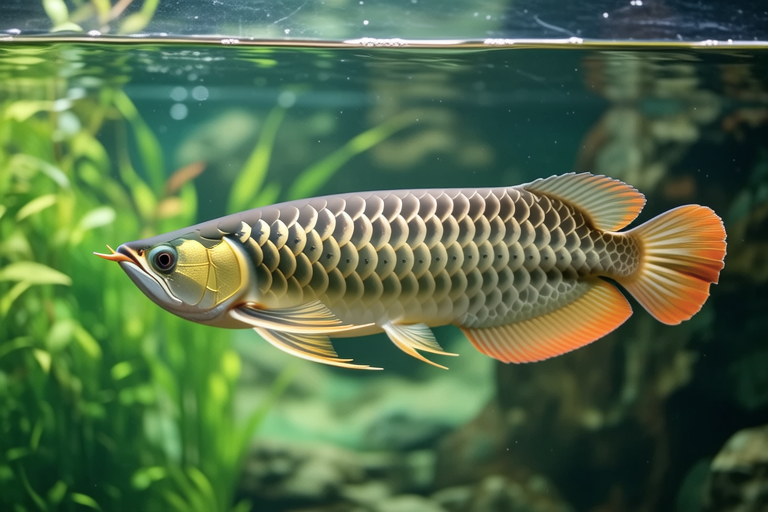
The Majestic Arowana: Understanding the King of Freshwater Aquariums
The arowana, often referred to as the ‘King of Freshwater Aquariums,’ captivates aquarists worldwide with its regal presence and unique characteristics. This ancient fish, revered for its stunning appearance and impressive size, commands attention in any aquarium setting. Its prehistoric lineage and majestic demeanor have earned it a special place in the hearts of hobbyists, making it a sought-after species for those who wish to experience the grandeur of nature within their homes.
Physical Traits and Natural Habitats
Arowanas possess several distinctive features that set them apart from other freshwater fish. They typically reach lengths of up to three feet and boast elongated bodies covered in shimmering scales that reflect light in a dazzling array of colors. Their mouths are positioned at the top of their heads, allowing them to leap out of the water to catch flying insects and small birds, a behavior that has earned them the nickname ‘Dragon Fish.’ These fish are native to tropical regions of Asia, South America, and Africa, thriving in warm, slow-moving waters such as rivers, swamps, and floodplains. Their natural habitats are characterized by dense vegetation, providing ample cover and hunting grounds.
Dietary Needs
Arowanas are carnivorous and require a diet rich in protein. In the wild, they feed on insects, smaller fish, crustaceans, and occasionally small mammals or birds. As pets, they can be fed a variety of foods including pellets, live or frozen feeder fish, and shrimp. It’s important to ensure a balanced diet that meets their nutritional requirements while avoiding overfeeding, which can lead to health issues.
Challenges and Rewards of Ownership
Owning an arowana comes with its own set of challenges. Due to their large size and specific environmental needs, they require spacious tanks equipped with robust filtration systems and heaters to maintain optimal water conditions. Additionally, their territorial nature means they need ample space to avoid aggression towards tank mates. However, the rewards of caring for these magnificent creatures far outweigh the challenges. Watching an arowana glide through the water with grace and power is a mesmerizing experience, and their intelligence and interaction with owners add a unique dimension to aquarium keeping.
Breeding Habits
Arowanas exhibit fascinating parental care behaviors. Males of certain species guard the eggs in their mouths until they hatch, a process known as mouthbrooding. Once the fry emerge, the male continues to protect them, carrying them in his mouth if danger threatens. This level of parental investment is rare among fish species and underscores the complexity of arowana biology.
Conservation Efforts
Due to habitat destruction and overfishing, many arowana species face significant threats to their survival. Conservation initiatives focus on protecting natural habitats, regulating trade, and promoting sustainable aquaculture practices. Some countries have implemented strict regulations on the capture and sale of arowanas, aiming to prevent further depletion of wild populations. Aquarists play a crucial role in supporting these efforts by choosing sustainably sourced fish and participating in breeding programs designed to bolster captive populations.
Tips for Aquarium Setup and Maintenance
Setting up an ideal environment for your arowana requires careful planning. Begin by selecting a tank that provides at least 150 gallons of water per adult fish, ensuring they have ample room to swim and establish territories. Use high-quality filters capable of handling large volumes of water efficiently, maintaining pristine conditions essential for arowana health. Temperature control is vital; aim for a steady range between 78°F and 84°F (25°C to 29°C). Regular water changes and monitoring of water parameters like pH, ammonia, nitrite, and nitrate levels will help maintain a healthy ecosystem.
Incorporate robust decorations such as driftwood and rocks to create hiding spots and define territories. Live plants can enhance aesthetics but may be consumed by arowanas, so choose hardier varieties or opt for artificial alternatives. Lighting should mimic natural daylight cycles, promoting biological rhythms and vibrant coloration. Finally, ensure proper socialization by introducing compatible tank mates gradually, observing interactions closely to prevent conflicts.
In conclusion, the majestic arowana offers a captivating glimpse into the wonders of aquatic life. By understanding their unique attributes, dietary preferences, and environmental needs, aquarists can provide optimal care for these regal creatures. Embracing the challenges of ownership also means reaping the rewards of witnessing firsthand the beauty and intelligence of one of nature’s most remarkable fish. With thoughtful preparation and ongoing commitment, every aquarist can contribute to the preservation and appreciation of this extraordinary species.