
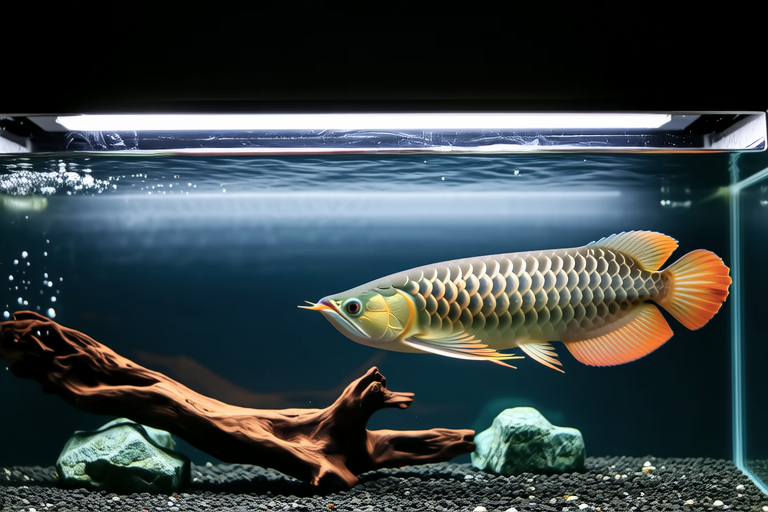
Aquarium Showstopper: How to Create an Optimal Habitat for Your Arowana
The arowana, often referred to as the dragon of the waters, is a majestic and captivating fish that can turn any aquarium into a showstopper. However, their care requires careful attention to detail to ensure they thrive in your aquatic environment. This comprehensive guide will walk you through everything you need to know about creating an optimal habitat for your arowana, from tank size and water parameters to diet and tank mates.
Understanding Arowana Basics
Arowanas are large, predatory fish native to South America, Africa, and parts of Asia. They are known for their long bodies, sleek scales, and the ability to leap out of the water to catch prey. These traits make them a popular choice among aquarists who appreciate both beauty and power in their fish. Before diving into the specifics of setting up an aquarium for an arowana, it’s crucial to understand their basic needs and behaviors.
Tank Size
Arowanas require ample space to swim and grow. Juvenile arowanas can be kept in smaller tanks, but as they mature, they quickly outgrow these environments. For adult arowanas, a minimum tank size of 360 gallons (1363 liters) is recommended. The tank should be at least 4 feet wide and 6 feet long to allow for sufficient swimming room. Larger tanks are preferable, especially if you plan to keep multiple arowanas or other large fish species.
Water Parameters
Maintaining the correct water parameters is crucial for the health of your arowana. The ideal temperature range for arowanas is between 78°F and 84°F (25°C to 29°C). The pH level should be slightly acidic to neutral, ranging from 6.5 to 7.5. Water hardness should be moderate, ideally between 5° and 15° dH. Regular testing and adjustment of these parameters are necessary to ensure a stable and healthy environment.
Filtration Systems
Efficient filtration is vital for maintaining clean and healthy water conditions. Since arowanas produce a significant amount of waste, a powerful filtration system is necessary. Canister filters, external power filters, and sponge filters are all effective options. Ensure that the filter has a turnover rate of at least 10 times the volume of the tank per hour. Additionally, consider incorporating biological, mechanical, and chemical filtration to remove debris, control algae growth, and maintain water clarity.
Lighting
Proper lighting enhances the visual appeal of your aquarium while also supporting plant growth. Use full-spectrum LED lights that provide 8 to 10 hours of light daily. Arowanas have a natural circadian rhythm, so consistent lighting helps them adjust to a regular day-night cycle. Avoid overly bright lights, as they can cause stress. Dimmer lights or timers can help create a more serene environment.
Substrate Type
The substrate you choose should be large enough to prevent ingestion by the arowana. Sand or smooth gravel is recommended, as they are less likely to cause digestive issues. The substrate should be cleaned regularly to prevent the buildup of organic matter, which can lead to poor water quality.
Suitable Decorations
Decorations play a crucial role in providing hiding spots and enhancing the overall aesthetic of the tank. Driftwood, caves, and large rocks are excellent choices. Ensure that any decorations are securely anchored to prevent accidental tipping. Floating plants can also be added to mimic the natural habitat of arowanas and provide additional cover.
Diet and Feeding Habits
Arowanas are carnivorous and require a varied diet to stay healthy. Their diet should consist of high-quality pellets, frozen or live foods such as feeder fish, shrimp, and worms. It’s important to feed them only what they can consume within 2-3 minutes to avoid overfeeding. Feeding them once a day is usually sufficient, but monitor their behavior to adjust the frequency if needed.
Maintaining Water Quality
To maintain optimal water quality, perform weekly water changes of 10-20% of the total volume. This helps remove accumulated toxins and replenish essential minerals. Additionally, use activated carbon in the filter to absorb impurities and improve water clarity. Regular maintenance of the filtration system and monitoring of water parameters are key to preventing health issues.
Tank Mates Compatibility
Choosing compatible tank mates for your arowana is essential for their well-being. Arowanas are generally peaceful but can become territorial as they mature. Suitable tank mates include other large, semi-aggressive species like oscars, large cichlids, and pacus. Avoid housing them with smaller fish, as they may become prey. Research each potential tank mate thoroughly to ensure they share similar water parameter requirements.
Stress Reduction Techniques
Maintaining a low-stress environment is crucial for the longevity of your arowana. Keep the tank away from direct sunlight and loud noises. Limit handling and avoid sudden movements near the tank. Providing plenty of hiding places and ensuring a stable water environment will help reduce stress levels. Arowanas are sensitive to changes, so gradual adjustments to water parameters and tank conditions are advisable.
Conclusion
Creating an optimal habitat for your arowana involves careful planning and attention to detail. By understanding their specific needs and providing the right environment, you can ensure your arowana thrives in your aquarium. Whether you’re a novice or an experienced aquarist, this guide offers valuable insights to help you successfully keep your arowana healthy and thriving. With the right setup, your arowana will be the star of your aquarium, bringing elegance and grace to your aquatic world.