
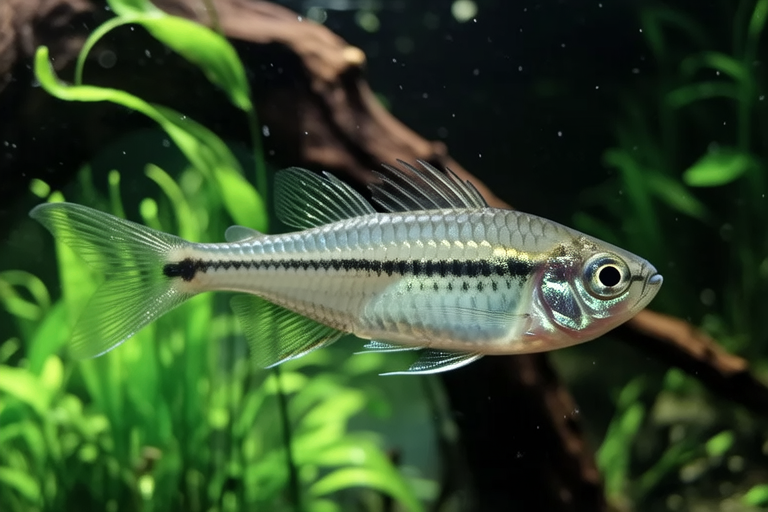
From Ancient Waters to Your Aquarium: Everything You Need to Know About Keeping an Arowana
Welcome to the fascinating world of Arowanas! These majestic fish have captivated the hearts of aquarists for centuries with their striking appearance and unique behaviors. This comprehensive guide will take you through the origins of these creatures, their specific care requirements, common health issues, breeding habits, and the legal considerations of owning one.
The Origins and Significance of Arowanas
Arowanas belong to the Osteoglossidae family and are native to the rivers and swamps of Asia, Africa, and South America. Their lineage dates back millions of years, making them a true relic from ancient times. In their natural habitat, they inhabit slow-moving waters with dense vegetation, where they thrive in the wild. They are often referred to as ‘Dragon Fish’ due to their elongated bodies and scaly appearance, which has earned them a place in folklore and mythology across many cultures.
In some Asian countries, Arowanas are considered symbols of good luck and prosperity. The belief in their auspicious nature has led to their popularity among collectors and enthusiasts alike. Despite this, it’s important to recognize that these fish require specialized care and attention to ensure their well-being.
Care Requirements
Diet
Feeding your Arowana a balanced diet is crucial for its health and longevity. These carnivorous fish primarily feed on insects, small fish, crustaceans, and other aquatic animals in the wild. As pets, they can be fed a variety of live, frozen, or freeze-dried foods such as earthworms, bloodworms, krill, and brine shrimp. It’s advisable to introduce a mix of high-quality commercial pellets designed for large predatory fish to supplement their diet.
When feeding your Arowana, remember to provide meals at least twice a day, ensuring that the food is appropriate for their size and age. Overfeeding can lead to obesity and health problems, so monitor their eating habits carefully. Always remove any uneaten food promptly to maintain water quality.
Tank Setup
Arowanas need ample space to swim and explore. A minimum tank size of 180 gallons is recommended for a single adult, but larger tanks are preferred if possible. The tank should be equipped with a robust filtration system capable of handling large volumes of water and removing waste efficiently. Regular water changes (about 10-20% weekly) are necessary to maintain optimal water conditions.
Providing adequate hiding spots and decor is essential for your Arowana’s comfort. Incorporate driftwood, rocks, and plants to create a natural environment. However, ensure that all decorations are securely anchored to prevent accidents. Additionally, Arowanas are known to jump out of their tanks, so a tight-fitting lid is mandatory.
Water Parameters
Maintaining the right water parameters is critical for the health of your Arowana. They prefer soft, slightly acidic water with a pH range between 6.0 and 7.0. The temperature should be kept stable within the range of 78-84°F (25-29°C). Use a reliable heater and thermometer to monitor and regulate these conditions. Ammonia and nitrite levels should always be zero, while nitrate levels should be kept below 20 ppm.
To achieve these conditions, regular testing and maintenance are required. Consider using a reverse osmosis (RO) filter to treat tap water, especially if it contains high levels of chlorine, chloramines, or heavy metals.
Common Health Issues
Despite being hardy fish, Arowanas can still face various health challenges. One of the most common issues is fin rot, a bacterial infection that causes frayed and discolored fins. Maintaining excellent water quality and providing a varied diet can help prevent this condition. If symptoms appear, consult a veterinarian specializing in exotic fish for treatment options.
Another potential problem is ich, a parasitic disease that manifests as white spots on the fish’s body. Ich thrives in poor water conditions, so maintaining clean, well-oxygenated water is key to prevention. Treatment involves raising the water temperature and administering medication under veterinary guidance.
Breeding Habits
Breeding Arowanas is no easy task and requires extensive knowledge and experience. In the wild, they exhibit parental care by carrying their eggs and fry in their mouths until the young are ready to fend for themselves. Captive breeding programs have been established in some regions to help conserve these magnificent creatures.
For those interested in attempting to breed Arowanas, it’s crucial to understand the specific environmental needs and behaviors of these fish. Proper conditioning, hormone treatments, and precise water parameters are often necessary to induce spawning. Successful breeding can contribute significantly to the conservation efforts of these endangered species.
Legal Considerations
Owning an Arowana comes with several legal restrictions in certain regions due to their protected status. Some countries have strict regulations governing the import, export, and trade of these fish to protect their populations from over-exploitation. Before acquiring an Arowana, research local laws and obtain any necessary permits.
In addition to legal constraints, consider the ethical implications of purchasing these fish. Many Arowanas sold in the aquarium trade are sourced from unsustainable practices, contributing to declines in wild populations. Opting for captive-bred specimens supports responsible breeding practices and helps preserve the species.
Conclusion
Keeping an Arowana is a rewarding endeavor that requires dedication, patience, and knowledge. From understanding their origins and significance to meeting their specific care requirements, every aspect of their life should be approached with care and respect. By following the guidelines outlined in this article, you can ensure a healthy and thriving environment for your Arowana, allowing you to enjoy these ancient wonders in your own home.
Remember, the responsibility of caring for an Arowana goes beyond providing food and shelter. It includes educating yourself about their needs, respecting their conservation status, and contributing positively to their welfare. With the right approach, you can become a proud guardian of these extraordinary fish, bridging the gap between ancient waters and your aquarium.