
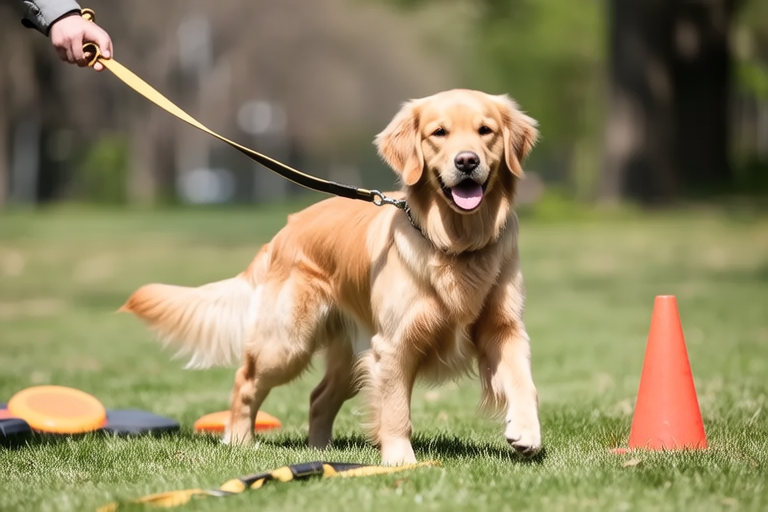
Labrador Training Tips: From Puppyhood to Adulthood
Welcome to the world of Labrador training! Known for their friendly demeanor, intelligence, and loyalty, Labradors have earned the reputation as one of the most popular dog breeds worldwide. Their gentle nature makes them excellent family pets, but their playful and sometimes mischievous personalities require thoughtful training to ensure they grow into well-behaved adults. This guide will walk you through essential training tips from puppyhood to adulthood, helping you develop a strong, lasting bond with your Labrador.
Early Socialization Techniques for Puppies
The first few months of a Labrador’s life are crucial for shaping their behavior and personality. Early socialization helps them become comfortable around other people, animals, and various environments. Introduce your puppy to different sights, sounds, and smells by taking them on short walks in safe areas. Encourage interactions with children and other pets under controlled conditions. Positive reinforcement, such as treats and praise, should be used during these experiences to ensure your Labrador associates new encounters with positive feelings.
Basic Obedience Training Methods
Teaching basic commands like ‘sit,’ ‘stay,’ ‘come,’ and ‘leave it’ is fundamental to raising a well-mannered Labrador. Start training in a quiet, distraction-free environment. Use small, tasty treats to reward desired behaviors immediately. For example, when teaching ‘sit,’ hold a treat above your Labrador’s head until they sit down, then give the treat and praise. Consistency is key; practice sessions should be brief (5-10 minutes) but frequent. Gradually increase the duration and difficulty of commands as your Labrador masters each step.
Housebreaking Strategies
Accidents happen, but with patience and consistency, your Labrador can learn to use the bathroom outside. Establish a routine for feeding and potty breaks. Take your puppy out after meals, naps, and playtime. Choose a specific spot for them to relieve themselves and always take them there. Praise or reward your Labrador when they eliminate outside. Clean up accidents thoroughly to avoid any lingering odors that might encourage repeat incidents. Crate training can also help prevent accidents inside the home by providing a safe space for your puppy when you’re unable to supervise.
Common Behavioral Issues and Solutions
Despite their good nature, Labradors can exhibit certain behavioral problems if not properly trained. Excessive barking, chewing, and jumping are common issues. Address excessive barking by identifying triggers and redirecting attention with toys or commands. Provide appropriate chew toys to satisfy your Labrador’s natural urge to gnaw. Teach ‘off’ or ‘sit’ commands to discourage jumping. If your Labrador exhibits aggression or fearfulness, seek professional guidance from a certified trainer or behaviorist.
Exercise Needs Throughout Different Life Stages
Labradors are energetic dogs that require regular physical activity to maintain their health and happiness. Puppies need short bursts of exercise due to developing joints, while adults can handle more rigorous activities like running, swimming, and playing fetch. Senior Labradors may benefit from low-impact exercises like walking and gentle games. Tailor your Labrador’s exercise routine to their age, fitness level, and individual needs. Always consult with your veterinarian about the best exercise regimen for your dog.
Mental Stimulation Activities
Physical exercise is vital, but mental stimulation is equally important for keeping your Labrador engaged and preventing boredom-related behaviors. Puzzle toys, interactive feeders, and obedience training sessions provide intellectual challenges. Teach new tricks or introduce scent work to stimulate your Labrador’s natural hunting instincts. Rotate toys regularly to keep things interesting. Mental enrichment not only keeps your Labrador happy but also strengthens the bond between you and your pet.
Tips for Transitioning from Puppy to Adult
The transition from puppy to adult brings changes in energy levels, attention span, and training needs. As your Labrador matures, gradually shift focus from basic commands to more advanced training, such as agility courses or competition obedience. Continue to reinforce good behaviors and address any emerging issues promptly. Maintain a consistent routine to provide structure and security. Remember, the bond you’ve built during puppyhood will serve as a foundation for a rewarding adult relationship.
Maintaining a Strong Bond and Continued Learning
To ensure lifelong companionship, continue engaging with your Labrador through regular training sessions, playtime, and affection. Spend quality time together, whether it’s going for walks, playing fetch, or simply cuddling. Keep learning about your Labrador’s needs and preferences. Join local dog clubs or online communities for support and shared experiences. A strong bond built on trust, respect, and mutual understanding will make your Labrador an integral part of your family for years to come.
In conclusion, Labrador training requires commitment, consistency, and love. By following these tips and tailoring your approach to your Labrador’s unique personality, you’ll set them up for success and enjoy a lifetime of companionship. Happy training!