Top 10 Fun Facts About Norwegian Elkhounds You Didn’t Know
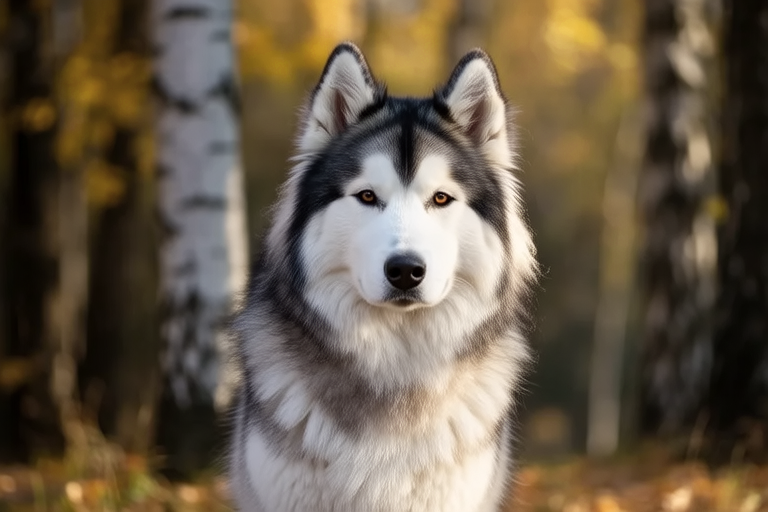
The Norwegian Elkhound, with its striking silver-grey coat and distinctive black mask, is a breed steeped in history and tradition. Originating from Norway, these dogs have been companions and working partners for centuries. This article uncovers ten fascinating facts about Norwegian Elkhounds that will pique your interest and deepen your appreciation for this remarkable breed.
1. Ancient Hunters
The Norwegian Elkhound’s lineage traces back over 6,000 years, making it one of the oldest breeds in existence. Archaeologists have unearthed bones and artifacts indicating their presence alongside humans during the Stone Age. These dogs were originally bred to assist hunters in tracking and cornering large prey, such as elk and moose. Their endurance and agility made them invaluable in harsh Nordic environments. Today, while they are primarily cherished as family pets, their hunting instincts remain strong, often leading them on thrilling chases through parks and forests.
2. Versatile Coats
One of the most striking features of the Norwegian Elkhound is its double coat, which consists of a soft undercoat and a harsh outer coat. This dual-layered fur serves multiple purposes. The thick undercoat provides insulation against the cold, keeping the dog warm in freezing temperatures. Meanwhile, the rough outer coat repels water and dirt, making the Norwegian Elkhound well-suited for outdoor adventures. Interestingly, this coat requires regular grooming to maintain its health and appearance, ensuring that your pet stays comfortable year-round.
3. Lifespan and Health
Norwegian Elkhounds typically enjoy a lifespan of around 12 to 15 years, which is considered relatively long for a medium-sized dog. However, like all breeds, they can be prone to certain health issues. Hip dysplasia, a common condition affecting many large breeds, is something to watch out for. Additionally, Norwegian Elkhounds may develop eye problems, such as cataracts. Responsible breeding practices and regular veterinary check-ups can help mitigate these risks, allowing your Norwegian Elkhound to live a healthy and active life.
4. Social Butterflies
Despite their robust build and formidable hunting heritage, Norwegian Elkhounds are social butterflies at heart. They thrive in the company of people and other animals, making them excellent family pets. Their friendly demeanor and playful nature make them great companions for children. Norwegian Elkhounds are also known for their loyalty; they form strong bonds with their families and are always eager to please. However, this affectionate nature can sometimes lead to separation anxiety if left alone for extended periods, so they require plenty of attention and interaction.
5. Vocal Communication
Communication is key for any breed, and Norwegian Elkhounds have a unique way of expressing themselves. Known for their barking, these dogs use their voice to alert their owners to various situations. Whether it’s a stranger approaching, another animal in the vicinity, or simply calling for attention, their vocalizations can be quite expressive. While this trait can be endearing, it’s important to train them early to ensure their barking remains appropriate and does not become excessive. Proper training and socialization can help channel this natural behavior into useful communication without causing disturbances.
6. Adaptability to Cold Climates
Originally bred in the rugged landscapes of Norway, the Norwegian Elkhound is perfectly adapted to cold climates. Their thick, insulating coats and compact bodies allow them to withstand freezing temperatures with ease. In addition to their physical attributes, these dogs possess a high tolerance for snow and ice, often enjoying winter activities such as sledding and snowshoeing. Their adaptability makes them ideal pets for colder regions, where they can continue to thrive in outdoor environments.
7. Agility Champions
Beyond their hunting prowess, Norwegian Elkhounds have demonstrated exceptional agility in competitive events. Their natural athleticism and quick reflexes make them well-suited for obstacle courses and other physical challenges. Many owners have found success in agility trials, showcasing the breed’s ability to navigate complex courses with speed and precision. Training for agility not only enhances their physical fitness but also strengthens the bond between owner and dog, creating a rewarding experience for both parties.
8. Protective Guardians
While gentle and affectionate with their families, Norwegian Elkhounds exhibit protective tendencies when it comes to their territory. They are vigilant watchdogs, always on the lookout for potential threats. Their keen senses, particularly their sharp hearing and acute vision, enable them to detect unusual activity early. This protective instinct makes them reliable guardians, ready to sound the alarm or intervene if necessary. However, it’s essential to balance this protective nature with proper socialization to prevent aggression towards unfamiliar people or animals.
9. Unique Coat Patterns
The Norwegian Elkhound’s coat pattern is one of its most recognizable features. Typically, the coat is silver-grey with black markings on the face, ears, and tail tip. However, there is some variation in coat color among individuals, with some displaying a more golden hue. These variations add to the breed’s charm and individuality, ensuring no two Norwegian Elkhounds look exactly alike. Understanding and appreciating these subtle differences can enhance your enjoyment of the breed’s aesthetic appeal.
10. Historical Role in Norse Mythology
The Norwegian Elkhound has played a significant role in Norse mythology, further cementing its place in cultural history. According to legend, these dogs were companions to Odin, the Allfather in Norse mythology. Odin’s faithful hound, Geri and Freki, were said to accompany him on his travels and hunts. This association with Norse gods elevates the Norwegian Elkhound beyond mere canine status, linking them to tales of bravery and loyalty. Today, while the myths are stories of the past, the breed continues to embody these qualities, serving as loyal and steadfast companions to their human families.
In conclusion, the Norwegian Elkhound is a breed rich in history, versatility, and character. From their ancient origins to their modern-day roles as beloved pets, these dogs offer a wealth of interesting facts and traits. Whether you’re considering adopting a Norwegian Elkhound or simply want to learn more about this fascinating breed, understanding these unique aspects will deepen your appreciation for their enduring legacy.
