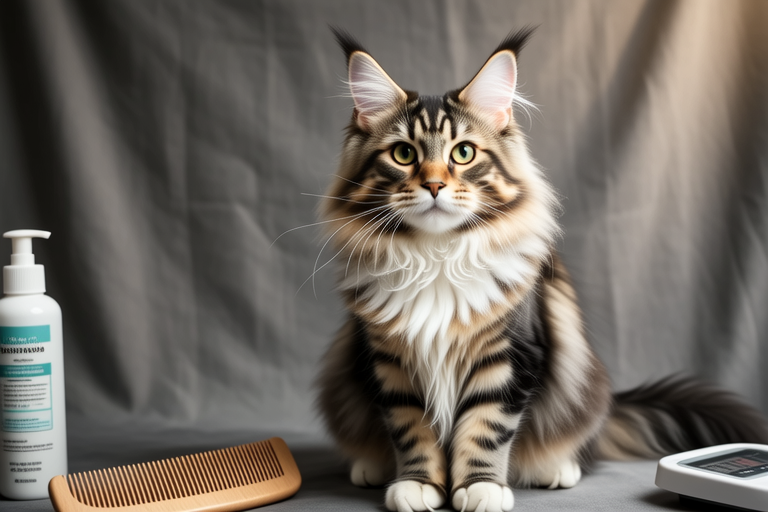
How to Care for Your Maine Coon Like a Pro: Tips from Experts
Maine Coons are one of the largest domesticated breeds of cats, known for their friendly dispositions and playful nature. Originating from the state of Maine, USA, these felines are popular pets for their affectionate personalities and striking appearance. However, owning a Maine Coon requires specific care and attention to ensure they live long, healthy lives. This article provides expert advice on how to care for your Maine Coon, covering diet and nutrition, grooming needs, exercise requirements, common health issues, and socialization and training tips.
Diet and Nutrition
Proper nutrition is crucial for the health and well-being of your Maine Coon. These large cats require a balanced diet rich in proteins, fats, and essential vitamins and minerals. Experts recommend feeding them high-quality commercial cat food that meets the nutritional standards set by organizations like AAFCO (Association of American Feed Control Officials).
For optimal health, aim for a diet containing at least 30% protein and 20% fat. Avoid foods with fillers or artificial preservatives. Wet food can be beneficial as it provides additional hydration, which is important given that Maine Coons may not drink enough water on their own. Always consult with your veterinarian to determine the appropriate amount of food based on your cat’s age, weight, and activity level.
Introduce a variety of high-protein meats such as chicken, turkey, and fish into their diet. Omega-3 fatty acids found in fish oil can promote skin and coat health, while taurine is vital for heart and eye function. Ensure fresh, clean water is always available. Regularly monitor your cat’s weight and adjust their diet accordingly to prevent obesity, which can lead to joint problems and other health issues.
Grooming Needs
Maine Coons have thick, luxurious coats that require regular grooming to keep them healthy and free of mats. Their semi-longhair coats shed year-round but especially heavily during spring and fall. Brushing your Maine Coon at least twice a week will help remove loose fur and reduce shedding around your home.
Use a slicker brush or comb designed for long-haired cats to gently work through their coat. Be sure to reach down to the skin to remove any undercoat that might be tangled. Pay special attention to areas behind the ears and under the tail where matting is more likely to occur. Bathing your Maine Coon once every few months can also help maintain their coat’s condition. Use a gentle, cat-specific shampoo and be sure to rinse thoroughly to avoid leaving soap residue.
In addition to coat care, trim your cat’s nails regularly. Long nails can cause discomfort and potentially lead to injury if they become too long. Check their ears weekly for signs of wax buildup or infection and clean them gently with a cotton ball and ear-cleaning solution recommended by your vet. Finally, brushing your cat’s teeth daily can help prevent dental disease, which is common in older cats.
Exercise Requirements
Maine Coons are naturally curious and active animals, often enjoying interactive play with their owners. Providing ample opportunities for physical activity is essential for maintaining their physical and mental health. Interactive toys such as laser pointers, feather wands, and puzzle feeders can stimulate their hunting instincts and provide entertainment.
Structured playtime sessions of 15-20 minutes twice daily are ideal. Rotate toys periodically to keep things interesting. Encourage climbing and jumping by providing tall cat trees or shelves where they can explore and perch. Consider creating an outdoor enclosure or supervising outdoor time in a secure area to allow them to enjoy natural environments safely.
Regular exercise helps prevent obesity and promotes cardiovascular health. It also aids in maintaining muscle mass and flexibility, which is particularly important for this larger breed. Additionally, physical activity can reduce stress and anxiety, contributing to overall emotional well-being.
Health Issues Common to Maine Coons
Despite being generally healthy, Maine Coons are prone to certain genetic conditions. Understanding these potential health issues allows you to take preventive measures and recognize early signs of illness.
One of the most significant concerns is hypertrophic cardiomyopathy (HCM), a form of heart disease that causes thickening of the heart muscle. Early detection through regular veterinary check-ups and echocardiograms can improve prognosis. Another common issue is hip dysplasia, which affects joint health and mobility. Ensuring your cat maintains a healthy weight and providing supportive bedding can alleviate symptoms.
Polycystic kidney disease (PKD) is another hereditary condition that can affect Maine Coons. This disease causes cysts to develop within the kidneys, leading to eventual kidney failure. Genetic testing can identify carriers before breeding and help manage affected individuals through proper diet and medication.
Veterinary care plays a critical role in preventing and managing these conditions. Schedule annual wellness visits and follow up promptly if you notice any changes in behavior, appetite, or physical condition. Early intervention can significantly impact your cat’s quality of life.
Tips for Socializing and Training
Socialization and training are vital components of raising a well-adjusted Maine Coon. Early exposure to various stimuli, including different people, sounds, and environments, helps build confidence and reduces fearfulness. Begin introducing your kitten to new experiences between 3 to 9 weeks old, gradually increasing the complexity of interactions.
Positive reinforcement techniques, such as clicker training or rewarding good behavior with treats, can effectively teach basic commands like ‘come,’ ‘sit,’ and ‘stay.’ Consistency is key when training your cat; use the same command words and reward system each time. Patience is necessary, as cats learn at their own pace.
Interactive play serves dual purposes: it strengthens the bond between you and your cat while also providing mental stimulation. Engage in activities that mimic hunting behaviors, such as chasing toys or playing hide-and-seek. This not only keeps your cat entertained but also encourages problem-solving skills.
Establishing routines can also contribute to a harmonious household. Cats thrive on predictability, so feeding times, play sessions, and bedtime should remain consistent. Creating a calm, peaceful environment free from sudden noises or disruptions supports their sense of security.
Conclusion
Caring for a Maine Coon involves dedication and commitment to their unique needs. By following expert advice on diet, grooming, exercise, health management, and socialization, you can ensure your beloved pet enjoys a happy, healthy life. Remember that each cat is an individual, so tailor your approach based on their specific preferences and requirements. With proper care, your Maine Coon will bring years of joy and companionship into your home.
