
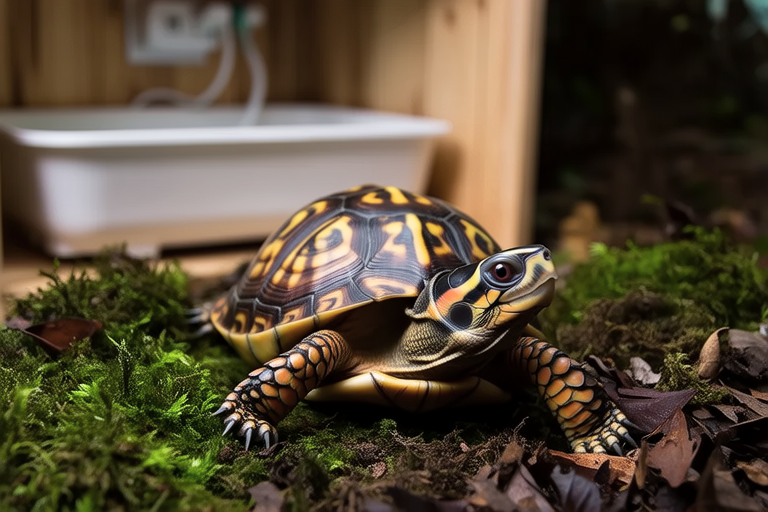
The Ultimate Checklist for New Owners of Three-Striped Box Turtles
Welcome to the wonderful world of three-striped box turtles! These unique reptiles are known for their striking appearance and relatively low maintenance requirements, making them popular pets among turtle enthusiasts. However, like any other pet, they require specific care to thrive. This comprehensive guide will walk you through everything you need to know to provide your three-striped box turtle with the best possible life.
Habitat Setup
Creating the right environment is crucial for your turtle’s well-being. Start by setting up a spacious enclosure that mimics their natural habitat. A general rule of thumb is to provide at least 10 square feet of space per turtle, but more is always better. The enclosure should be escape-proof, with secure lids or walls, as these turtles are quite active and can climb.
- Substrate: Use a mix of coconut fiber and mulch to create a comfortable and natural substrate. Avoid cedar and pine shavings as they can be harmful.
- Temperature and Humidity: Maintain daytime temperatures between 75°F and 85°F (24°C to 29°C) and nighttime temperatures around 65°F to 70°F (18°C to 21°C). Humidity levels should be kept between 60% and 80%. Use thermometers and hygrometers to monitor these conditions.
- Basking Area: Provide a basking spot with a temperature of about 90°F to 95°F (32°C to 35°C). This can be achieved using a heat lamp or ceramic heater placed over one side of the enclosure.
- UV Lighting: Install full-spectrum UVB lighting to help your turtle synthesize vitamin D3, which is essential for calcium absorption. Ensure the light is positioned correctly and replace it every six months.
- Water Source: Include a shallow water dish large enough for your turtle to soak in. Change the water daily to prevent bacterial growth.
- Hiding Spots: Offer various hiding spots using half logs, cork bark, or artificial caves. These provide security and aid in stress reduction.
Dietary Requirements
Three-striped box turtles have diverse dietary needs, requiring a balanced diet rich in nutrients. Their diet should consist of both plant and animal matter.
- Vegetables and Fruits: Feed them leafy greens such as collard greens, mustard greens, and dandelion greens. Occasional fruits like strawberries, blueberries, and apples are also beneficial. However, avoid feeding them iceberg lettuce or avocados, as these can cause digestive issues.
- Insects and Protein: Insects like crickets, mealworms, and earthworms should make up part of their diet. Commercially available turtle pellets can supplement their protein intake. Ensure all food items are gut-loaded and dusted with a calcium supplement before feeding.
- Vitamin Supplementation: Regular supplementation with calcium and multivitamins is necessary, especially for younger turtles. Consult a veterinarian for proper dosing.
- Feeding Schedule: Feed adults once every two days, while juveniles may require daily feedings. Monitor their weight and adjust the frequency and quantity accordingly.
Health Care Tips
Maintaining your turtle’s health involves regular check-ups and proactive care. Here are some tips to ensure your three-striped box turtle stays healthy:
- Regular Vet Visits: Schedule annual visits with a reptile specialist. They can perform routine health checks, administer vaccinations, and address any potential issues early.
- Dental Care: Check your turtle’s mouth for signs of infection or abnormalities. Keep their beaks trimmed if necessary.
- Shedding Assistance: If your turtle has trouble shedding its skin, gently assist by soaking them in warm water and then carefully removing the loose skin.
- Parasite Control: Regular fecal exams can detect parasites. Discuss appropriate treatments with your vet if needed.
- Wound Care: Clean any wounds with mild antiseptic solutions and apply antibiotic ointment as directed by a veterinarian.
Behavioral Insights
Understanding your turtle’s behavior can enhance your interaction and care. Three-striped box turtles are generally calm and docile, but each has its own personality. Here’s what you need to know:
- Social Interaction: While not highly social, these turtles can bond with their owners over time. Spend quality time with your turtle, handling them gently and regularly.
- Hibernation: Some turtles may hibernate during colder months. Ensure their enclosure is prepared for hibernation, providing a cool, moist area where they can burrow.
- Activity Levels: Your turtle will be most active during the day. Provide plenty of enrichment activities, such as hiding spots and climbing structures, to keep them engaged.
- Environmental Enrichment: Introduce toys and puzzles to stimulate their minds. Rotate items periodically to maintain interest.
Common Mistakes to Avoid
Even experienced turtle owners can make mistakes. Here are some common pitfalls to watch out for:
- Improper Enclosure: An inadequate enclosure can lead to stress, health problems, and behavioral issues. Always ensure the enclosure meets the turtle’s needs.
- Incorrect Feeding: Overfeeding or feeding inappropriate foods can result in obesity and nutritional deficiencies. Stick to a balanced diet and consult a veterinarian for guidance.
- Lack of UVB Lighting: Without adequate UVB lighting, your turtle cannot properly metabolize calcium, leading to metabolic bone disease. Always install and maintain UVB lighting.
- Overhandling: While interaction is important, overhandling can stress your turtle. Limit handling to brief periods and always support their shell when holding them.
- Ignoring Health Changes: Any changes in behavior, appetite, or physical appearance should be addressed immediately. Consult a veterinarian if you notice anything unusual.
Owning a three-striped box turtle is a rewarding experience that requires commitment and knowledge. By following this checklist and staying informed, you’ll be well-prepared to give your turtle the loving home it deserves. Remember, each turtle is unique, so pay attention to individual needs and preferences. With the right care and attention, your three-striped box turtle will live a long and happy life.