
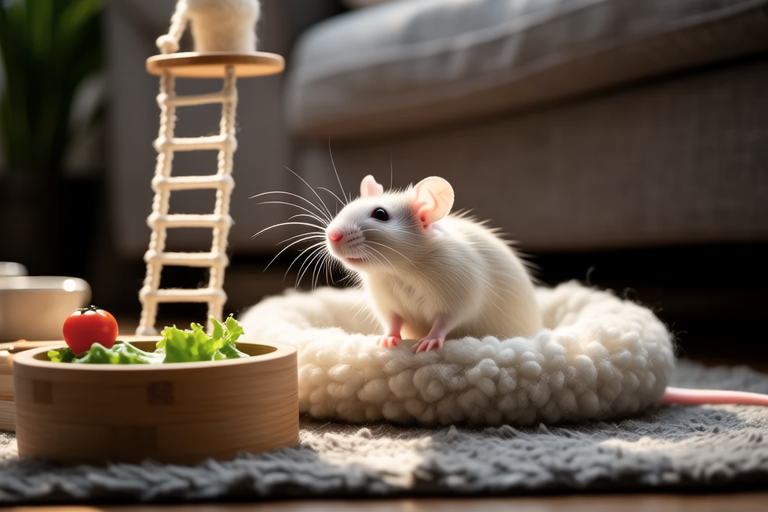
How To Create The Perfect Home Environment For Your Fancy Rat
Welcome to your comprehensive guide on creating the perfect home environment for your fancy rat! Rats are intelligent, social animals that require a stimulating and safe living space to thrive. This guide will cover everything from selecting the right cage size and type to maintaining hygiene and safety within the cage. We’ll also discuss how to socialize your rats and ensure they have enough space for physical and mental stimulation.
Selecting the Right Cage Size and Type
The first step in creating the perfect home environment for your fancy rat is choosing the right cage. The cage should be large enough to allow your rat to move around freely, play, and explore. A minimum cage size of 24 inches by 18 inches by 18 inches is recommended for one rat, but if you plan to keep multiple rats, you should increase the size accordingly. Bigger is always better when it comes to cage size.
When choosing the type of cage, consider the material and design. Wire cages are popular because they provide excellent ventilation and are easy to clean. However, make sure the wire spacing is small enough to prevent your rat from escaping or getting hurt. Plastic cages can be easier to clean and more durable, but they don’t offer as much ventilation. Glass aquariums are another option, but they can become too humid and lack proper ventilation.
Essential Cage Accessories
Bedding
Proper bedding is crucial for your rat’s comfort and health. Avoid cedar and pine shavings, as they can cause respiratory problems. Instead, opt for aspen shavings, paper-based bedding, or recycled paper products. These materials are safer and less likely to cause irritation. Change the bedding regularly to maintain cleanliness and prevent odors.
Toys
Rats are curious and playful creatures, so providing them with toys is essential for their mental stimulation. You can find rat-specific toys at pet stores, but you can also create DIY toys using household items. Some ideas include cardboard boxes, tissue paper rolls, and wooden chew toys. Rotate the toys regularly to keep your rat interested and engaged.
Exercise Wheels
An exercise wheel is a must-have accessory for your rat’s cage. It allows them to get the physical activity they need to stay healthy. Look for solid-surface wheels, as wire wheels can hurt your rat’s feet. Make sure the wheel is large enough for your rat to run comfortably without bending its back. Place the wheel on a stable surface to prevent it from tipping over.
Appropriate Temperature, Lighting, and Ventilation
Maintaining the right temperature, lighting, and ventilation is vital for your rat’s well-being. Rats prefer temperatures between 65 and 75 degrees Fahrenheit (18 to 24 degrees Celsius). Avoid placing the cage near drafts, direct sunlight, or heating/cooling vents. Use a thermometer to monitor the temperature and adjust as necessary.
Rats are nocturnal animals, meaning they are most active at night. They don’t require special lighting, but providing a consistent day-night cycle can help regulate their sleep patterns. Natural light during the day and darkness at night is ideal. If you keep the cage in a room with windows, make sure the curtains are closed at night to block out any ambient light.
Ventilation is crucial for preventing the buildup of harmful ammonia from urine and feces. Ensure the cage has adequate airflow, either through wire sides or ventilation holes. Avoid placing the cage in areas with poor air circulation, such as basements or enclosed spaces.
Maintaining Hygiene and Safety Within the Cage
Keeping your rat’s cage clean is essential for their health and happiness. Clean the cage at least once a week, removing all soiled bedding, food, and water bowls. Scrub the cage and accessories with mild soap and water, then rinse thoroughly and dry before replacing the bedding and accessories.
Ensure the cage and accessories are free from sharp edges, loose parts, and any potential hazards. Check the cage regularly for signs of wear and tear, and replace any damaged items immediately. Avoid using cleaning products that contain harsh chemicals, as they can be toxic to your rat. Opt for natural cleaners or those specifically designed for pet habitats.
Socializing Rats and Ensuring Enough Space for Physical and Mental Stimulation
Rats are social animals that enjoy interacting with their human companions and other rats. Spend time each day handling and playing with your rat to build a bond and provide mental stimulation. Start by offering treats and gentle petting, gradually increasing the duration and complexity of interactions.
If you have multiple rats, introduce them slowly and under supervision. Rats can form strong bonds with each other, and having a companion can reduce stress and loneliness. Ensure they have enough space to play and interact without feeling cramped or stressed.
Provide plenty of opportunities for physical and mental stimulation. In addition to toys and an exercise wheel, you can create tunnels, mazes, and obstacle courses using cardboard boxes and tubes. Rotate these activities regularly to keep your rat engaged and entertained. Consider setting aside a designated play area outside the cage where your rat can explore and interact with you.
Conclusion
Creating the perfect home environment for your fancy rat involves careful consideration of cage size, accessories, temperature, lighting, and ventilation. By following the guidelines outlined in this guide, you can provide your rat with a safe, comfortable, and stimulating living space. Remember to spend time socializing with your rat and ensuring they have enough space for physical and mental stimulation. With proper care and attention, your fancy rat will lead a happy and healthy life.